
 English
 русский
 Français
 Español
Content
The Three-Layer Structure of Modern Tent Fabric
When someone asks what tent fabric is made of, the honest answer is: more than it looks. A tent panel that appears to be a single sheet of material is almost always a precisely engineered composite, and understanding its internal structure is the foundation for evaluating any tent fabric specification.
Modern tent fabric is built in three distinct functional layers:
- Base fabric (substrate) — the structural core of the material. This is the woven layer that provides tensile strength, tear resistance, and dimensional stability. It is most commonly made from high-tenacity polyester yarn, nylon yarn, or in traditional applications, cotton or cotton-blend threads. The weave density and yarn thickness of the base fabric determine how much mechanical stress the finished material can absorb before failing.
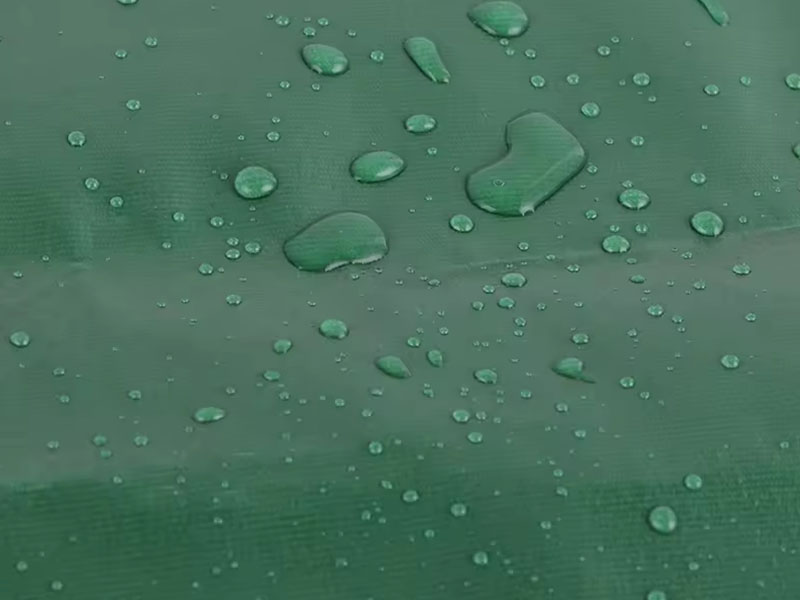
- Coating layer — applied to one or both sides of the base fabric to deliver the performance properties the end application demands. Common coating materials include polyvinyl chloride (PVC), polyurethane (PU), silicone, and polyethylene (PE). The coating is what makes a tent fabric waterproof, UV-resistant, flame-retardant, or chemically resistant. Without a coating, even the strongest woven base fabric would absorb water and degrade rapidly under outdoor exposure.
- Surface treatment — the outermost functional finish applied over the coating. Surface treatments determine a fabric's resistance to mold and mildew, its anti-static properties, its self-cleaning behavior, and how well it accepts printing or welding. This layer is what separates a basic waterproof tarpaulin from a premium architectural membrane or printed event tent panel.
This three-layer architecture means that two tent fabrics made from the same base yarn can have completely different performance profiles depending on the coating chemistry, coating weight, and surface treatment applied. Buyers who evaluate tent fabric only by the base material type are missing the most important half of the specification.
Main Materials Used in Tent Fabric
The tent fabric market spans a wide range of applications — from ultralight backpacking shelters to permanent event structures and industrial storage tents — and different material families serve these needs in fundamentally different ways. The table below summarizes the key options and their practical profiles.
| Material | Base Structure | Key Strengths | Limitations | Typical Applications |
|---|---|---|---|---|
| PVC-Coated Polyester | Woven polyester + PVC coating | Excellent waterproofing, tear strength, UV resistance, weldable seams | Heavier than nylon; less breathable | Event tents, truck covers, industrial shelters, large commercial tents |
| Nylon (PU or Silicone-coated) | Woven nylon + coating | Lightweight, strong for its weight, packs small | UV degrades over time; absorbs moisture; more expensive | Backpacking tents, mountaineering shelters |
| Polyester (PU-coated) | Woven polyester + PU coating | Low moisture absorption, affordable, good UV stability | Lower tear strength than nylon at same weight | Family camping tents, festival tents, budget outdoor shelters |
| Canvas (Cotton or Polycotton) | Woven cotton or cotton-polyester blend | Breathable, natural feel, thermally comfortable | Heavy, absorbs water when wet, requires drying before storage | Bell tents, glamping tents, long-term outdoor living structures |
| TPU Fabric | Woven or knit base + TPU film laminate | Highly flexible, excellent cold-temperature performance, eco-friendlier than PVC | Higher cost than PVC; more complex processing | Inflatable tents, airtight structures, high-performance outdoor gear |
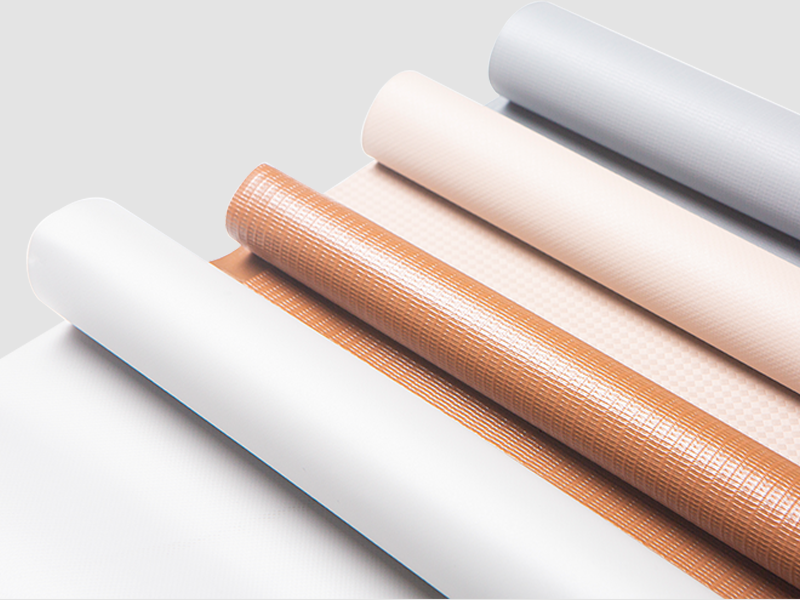
For the majority of commercial, industrial, and large-format outdoor applications, PVC tarpaulin fabric dominates the market. The combination of a high-tenacity polyester base with a robust PVC coating delivers a performance-to-cost ratio that no other material currently matches at scale — which is why it has become the industry standard for event tents, temporary warehouses, truck covers, and emergency shelters worldwide.
How PVC Tent Fabric Is Made
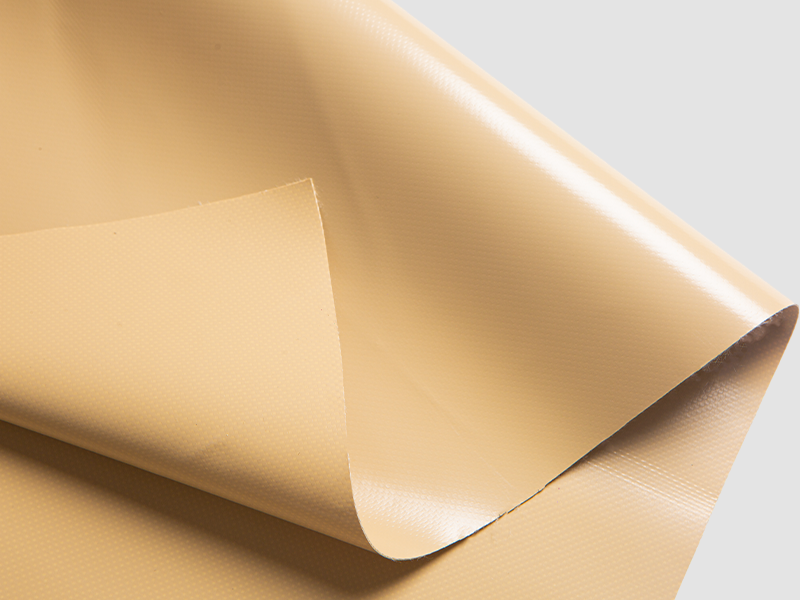
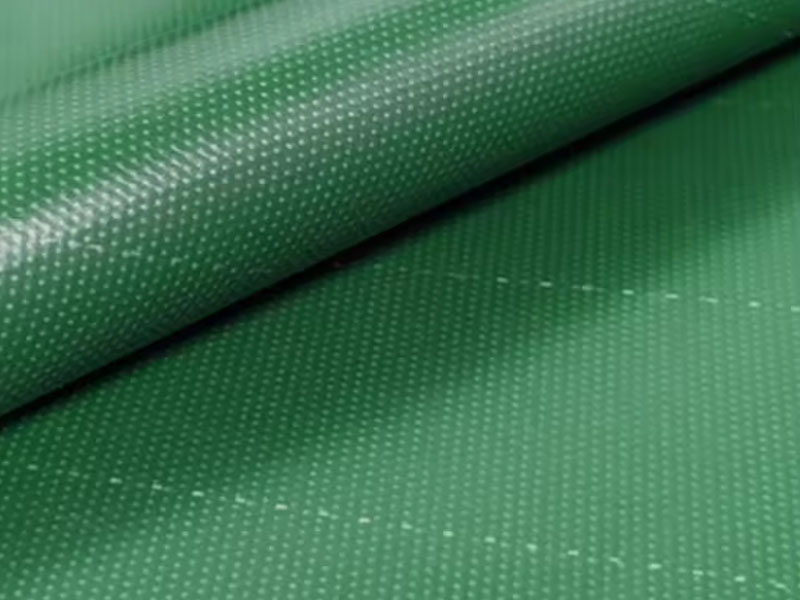
PVC tent fabric — sometimes called PVC knife-coated tarpaulin or PVC tensile tent fabric — is produced through a multi-stage manufacturing process that bonds a polyvinyl chloride coating permanently to a woven polyester substrate. Understanding this process clarifies why PVC fabric performs so consistently and why manufacturing quality control matters so significantly.
Stage 1: Base Fabric Weaving
The process begins with high-tenacity polyester yarn, selected for its strength-to-weight ratio and dimensional stability. The yarn is woven into a grid structure using industrial looms. The weave density — measured in threads per centimeter in both warp and weft directions — determines the fabric's base tensile strength and sets the upper limit on how much mechanical load the finished material can carry. For heavy-duty PVC tent fabric, polyester yarns rated at 1000 denier (1000D) are standard, producing a base fabric capable of withstanding tensile forces exceeding 2,100 N/5 cm in the warp direction.
Stage 2: PVC Paste Preparation and Coating
The coating compound is prepared by blending PVC paste resin with a carefully formulated combination of additives: plasticizers for flexibility, stabilizers to prevent heat-induced degradation, flame retardants, anti-mildew agents, UV absorbers, and pigments. The proportions of these additives determine the final fabric's functional profile — a flame-retardant grade tent fabric, for example, requires a higher loading of fire-retardant compounds in the paste formulation.
The prepared paste is applied to the base fabric using a knife-over-roll or calendar process, which spreads the PVC compound uniformly across the fabric surface at a controlled thickness. Both sides of the fabric are coated independently, allowing the formulation to be varied between the face and back of the panel if required by the application.
Stage 3: Plasticizing and Curing
The coated fabric is passed through a high-temperature oven where the PVC compound is plasticized and fused permanently to the polyester substrate. This thermal bonding step is critical: it converts the liquid coating paste into a tough, flexible solid film that adheres at the fiber level rather than simply sitting on the surface. The result is a composite material where the coating cannot be peeled away under normal mechanical stress — a key quality indicator that distinguishes well-manufactured PVC tent fabric from inferior alternatives.
Stage 4: Surface Treatment and Finishing
Following curing, the fabric receives its surface treatments. These may include acrylic lacquering for enhanced color fastness and printability, anti-static treatment for applications near electronics or fuel, additional UV-blocking compounds for tropical or high-altitude deployment, and anti-mildew agents rated to Level 1 performance. The finished fabric is then wound into rolls, inspected against quality specifications, and prepared for shipment or downstream fabrication into finished tent panels.
Key Specifications to Understand When Buying Tent Fabric
Tent fabric is sold with a set of technical specifications that define its performance capabilities. For buyers sourcing material for the first time, these numbers can be opaque — but each one has a direct real-world consequence for how the finished tent will perform.
| Specification | What It Measures | Practical Meaning |
|---|---|---|
| Denier (D) | Thickness/weight of the yarn fiber | Higher denier = thicker yarn = greater tear and abrasion resistance. 1000D is standard for heavy-duty commercial tent fabric. |
| GSM (g/m²) | Total weight of the finished fabric per square meter | A direct indicator of fabric thickness and durability. 650–850 GSM is typical for tent and awning applications; 900–1000 GSM for heavy side curtains and industrial covers. |
| Hydrostatic Head (mm) | Waterproof rating — height of water column the fabric resists before leaking | Values above 2,000 mm are required for reliable rain protection. Quality PVC tent fabrics typically exceed 2,000 mm water column resistance. |
| Tensile Strength (N/5cm) | Force required to break the fabric in warp and weft directions | Determines resistance to wind load and structural tension. Premium PVC tent fabric achieves >2,100 N/5cm (warp) and >1,600 N/5cm (weft). |
| Flame Retardancy Rating | Fire resistance standard compliance | Key for public events and commercial use. Common standards include DIN4102 B1/M2 (Europe) and CPAI-84 (USA). Always verify the specific standard required by local regulations. |
| Operating Temperature Range | Thermal performance limits | Quality PVC tent fabric maintains flexibility and performance from −30°C to +70°C, ensuring reliable function in both cold-climate and tropical deployments. |
When evaluating a tent fabric supplier, requesting full technical data sheets for each of these parameters — and verifying them against independent test reports — is the most reliable way to distinguish genuine high-performance material from products that meet specifications only on paper.
Choosing the Right Tent Fabric for Your Application
The "best" tent fabric is always application-specific. Matching the material to the deployment conditions and performance requirements prevents both over-specification (paying for performance you do not need) and under-specification (buying material that fails prematurely in service).
Outdoor Events and Commercial Party Tents
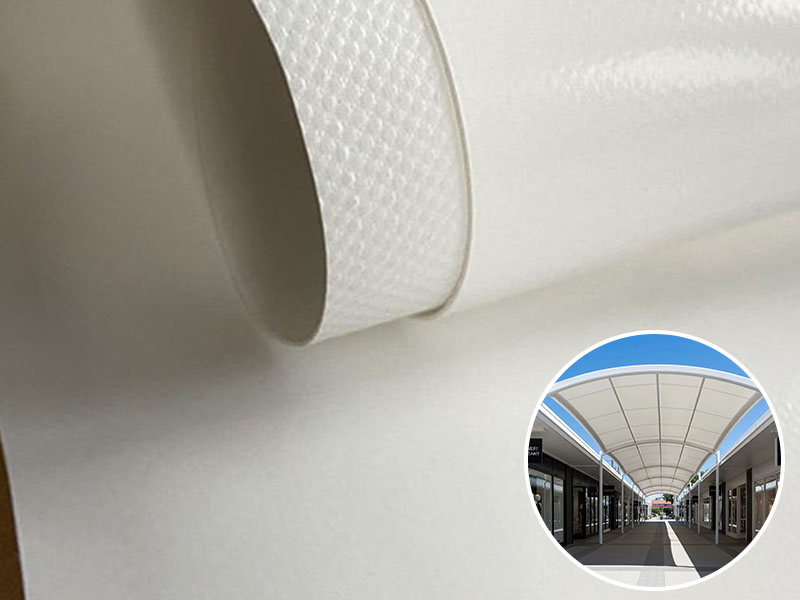
For wedding marquees, festival structures, trade show pavilions, and sports event tents, PVC-coated polyester in the 650–850 GSM range is the industry standard. The combination of waterproofing, fire retardancy, weldable seams, and color stability under UV exposure makes it the most reliable choice for structures that will be erected and dismantled repeatedly across multiple seasons. Flame retardancy certification to DIN4102 B1/M2 or equivalent is typically mandatory for public event permits.
Camping and Recreational Tents
Weight is the primary constraint for portable camping equipment. PU-coated polyester (150D–210D, 68–100 GSM) delivers the waterproofing required for general camping use at a weight that remains packable. For ultralight applications, silicone-coated nylon at 20D–30D reduces pack weight further, though at a significantly higher material cost. Canvas and polycotton remain preferred for glamping, extended outdoor stays, and situations where thermal comfort and breathability outweigh weight considerations.
Inflatable and Airtight Structures
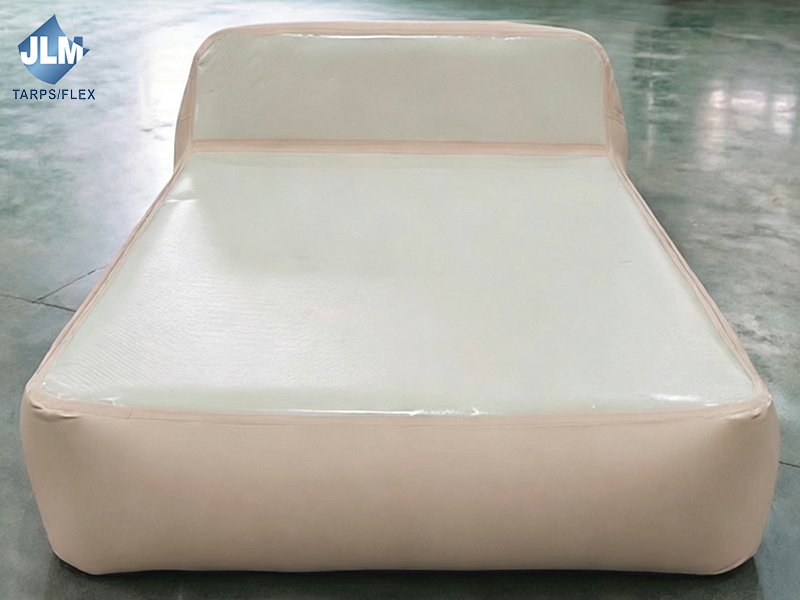
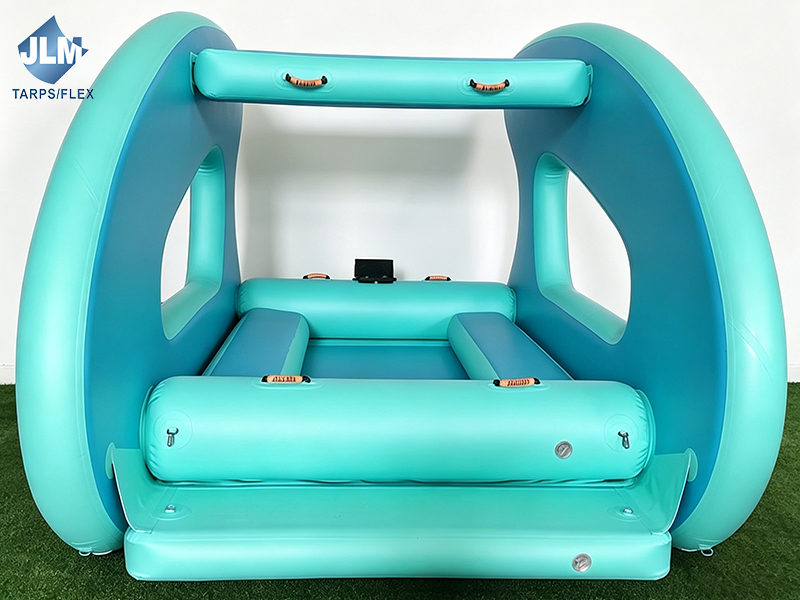
Inflatable tents, air beams, and sealed pressure structures require fabrics that maintain airtightness under sustained inflation pressure while remaining flexible enough to be folded and packed repeatedly without delamination. Inflatable tent fabric based on TPU or PVC laminates with drop-stitch construction is purpose-engineered for these demands, offering airtight performance, cold-crack resistance, and high-cycle durability that conventional coated fabrics cannot provide.
Industrial and Emergency Shelters
Temporary warehouses, military field shelters, construction site covers, and disaster relief structures demand the highest levels of mechanical strength, UV stability, and weather resistance. Heavy-duty PVC tarpaulin fabric in the 900–1,000 GSM range — with warp tensile strength exceeding 3,000 N/5cm and hydrostatic head above 3,000 mm — is the appropriate specification for these high-stakes deployments, where material failure carries serious operational or safety consequences.
Sourcing High-Performance Tent Fabric from Jinlong
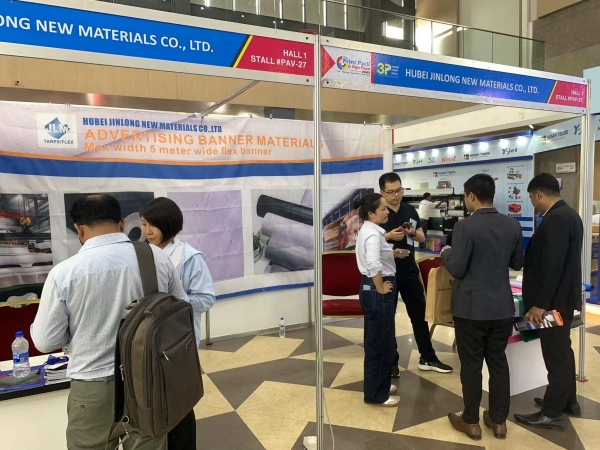
Hubei Jinlong New Materials Co., Ltd. is a high-tech enterprise with over 30 years of experience in the tarpaulin and industrial fabric industry, headquartered in Suizhou City, Hubei Province, with facilities covering 400,000 m². The company operates a complete, vertically integrated production line — from polyester base fabric weaving through calendering, PVC coating, laminating, lacquering, and printing — enabling full control over every stage of material quality.
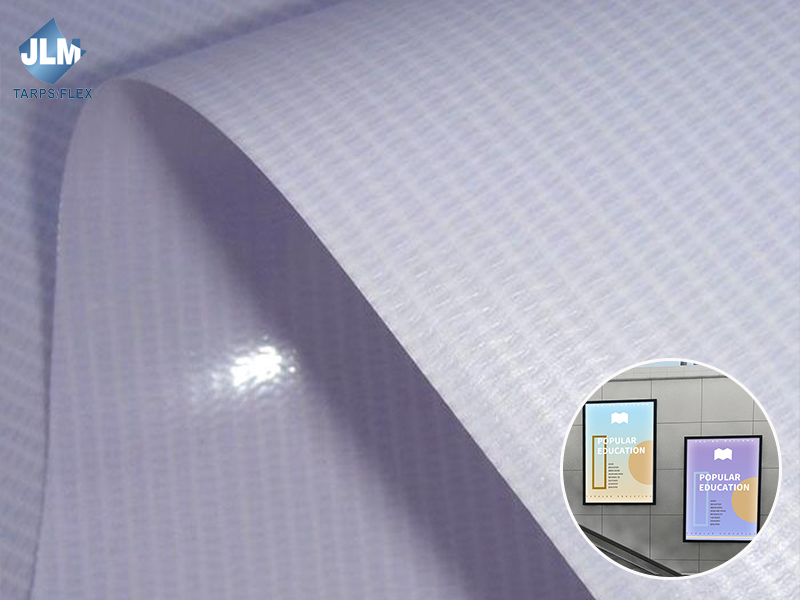
Jinlong's product range covers PVC flex banners, PVC tarpaulin, PVC tensile tent fabric, inflatable fabric, TPU fabric, flexible water tanks, truck tarps, and finished inflatable tents, with production capacity reaching 500,000 m² of PVC tarpaulin per day. All products are available with a range of special treatments — flame retardant, anti-static, anti-mildew, cold-crack resistant, and 3P-compliant formulations — and can be customized to buyer specifications for weight, color, width (up to 5.5 m without welding), and surface finish.
Products are exported to Europe, North America, the Middle East, Southeast Asia, Africa, and South America, with shipment access through both Wuhan and Shanghai ports. Whether you are sourcing PVC tent fabric for commercial event structures, tarpaulin for industrial applications, or inflatable fabric for airtight shelters, Jinlong has the manufacturing depth and technical expertise to supply materials that perform reliably in the field. Contact the sales team today to request technical data sheets, material samples, or a custom quotation.