
 English
 русский
 Français
 Español
Content
What Is PVC and What Makes It "Thin"
PVC — short for polyvinyl chloride — is one of the world's most widely produced synthetic plastics. It is formed through the polymerization of vinyl chloride monomers, resulting in a rigid or flexible material depending on the additives used during manufacturing. When manufacturers refer to thin PVC, they typically mean sheets or films with a thickness ranging from 0.05 mm to 0.5 mm, though the exact definition can vary by industry and application.
Thin PVC is produced through a calendering or extrusion process, which compresses and stretches the material into uniform, flat sheets. The addition of plasticizers — chemical compounds such as phthalates or DOTP — determines how flexible or rigid the final product will be. A higher plasticizer content produces a softer, more pliable film, while lower amounts result in a stiffer sheet. This flexibility in formulation is one of the reasons thin PVC is so widely used across industries ranging from packaging to construction.
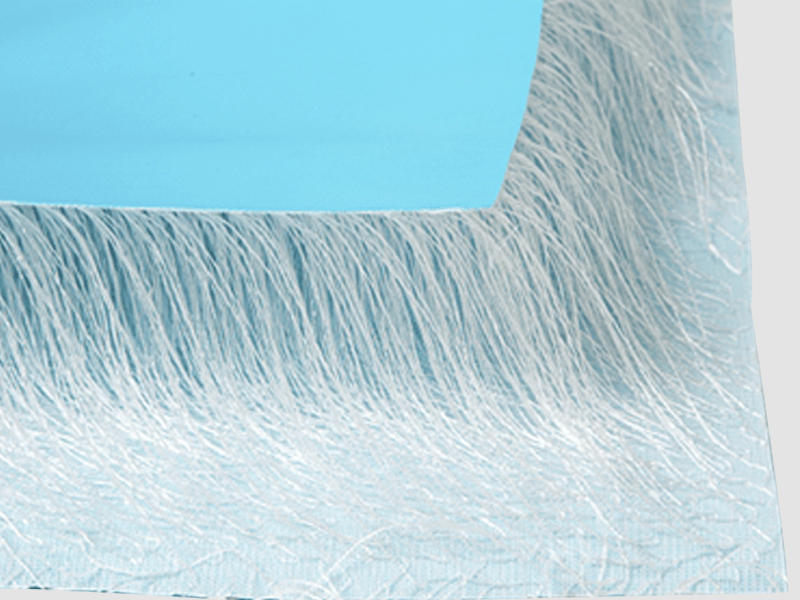
Key physical characteristics of thin PVC include high tensile strength relative to its weight, good chemical resistance, and the ability to be made transparent, translucent, or opaque. It can also be printed on, embossed, and laminated, making it a highly versatile substrate for both functional and decorative applications.
Is Vinyl the Same as PVC? The Clear Answer
In most commercial and industrial contexts, vinyl and PVC refer to the same material. The term "vinyl" is commonly used as a shorthand for polyvinyl chloride, particularly in North American and European markets. When a product is labeled as vinyl flooring, vinyl wrap, or vinyl fabric, it is almost always made from PVC as its primary polymer base.
The word "vinyl" is technically a broader chemical term — it refers to any compound containing the vinyl group (CH2=CH–). However, in everyday product descriptions and manufacturing, "vinyl" has become synonymous with PVC. This linguistic shorthand emerged because polyvinyl chloride was one of the first and most commercially successful vinyl-based polymers, and the name stuck in common usage.
There is one technical distinction worth noting: in some specialized scientific or chemical contexts, "vinyl" can refer to other polymers in the vinyl family, such as polyvinyl acetate (PVAc) or polyvinyl alcohol (PVA). However, when shopping for construction materials, packaging films, or flexible sheeting, you can safely treat "vinyl" and "PVC" as interchangeable terms. Suppliers, distributors, and product specifications almost universally use them to mean the same thing.
Key Differences Between PVC and Vinyl (When They Differ)
While PVC and vinyl are typically the same material, there are situations where the two terms can imply slightly different product formulations or quality grades. Understanding these nuances helps buyers select the right product for their needs.
| Aspect | PVC (Technical Usage) | Vinyl (Common Usage) |
|---|---|---|
| Base polymer | Polyvinyl chloride | Usually polyvinyl chloride |
| Common product context | Industrial piping, medical tubing, technical films | Flooring, wraps, fabric, signage |
| Flexibility level | Rigid or flexible depending on grade | Often flexible, consumer-facing |
| Chemical scope | Specifically polyvinyl chloride | Can technically include PVAc, PVA (rare) |
| Industry terminology | Preferred in B2B and manufacturing | Preferred in retail and consumer markets |
In practice, if you order a thin vinyl sheet from a material supplier and receive a thin PVC sheet, you have received exactly what you need. The difference is primarily semantic and market-driven, not chemical.
Properties of Thin PVC Film and Sheet
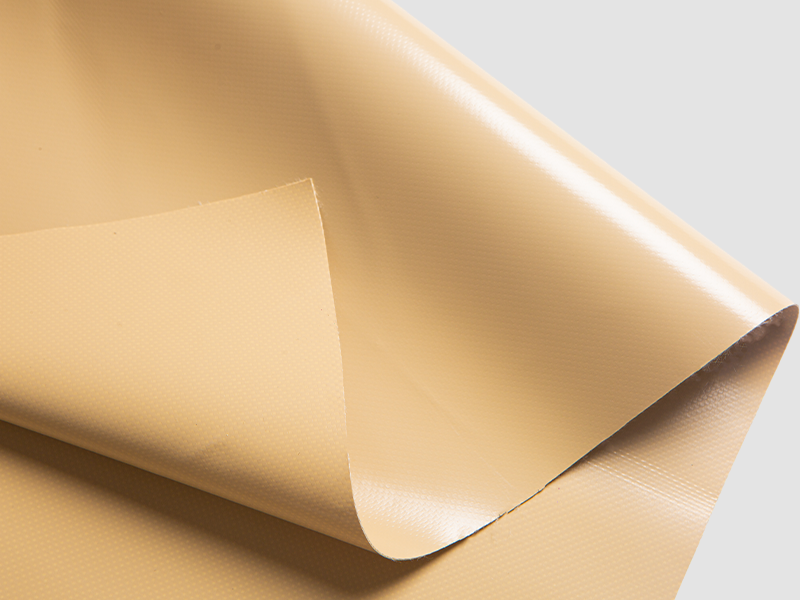
Thin PVC is valued for a combination of mechanical, optical, and chemical properties that make it suitable for a wide range of demanding applications. The following characteristics are consistent across most standard-grade thin PVC products:
- Thickness range: Typically 0.05 mm to 0.5 mm, with ultra-thin grades available down to 0.03 mm for specialized uses such as blister packaging or protective overlays.
- Transparency: Clear grades of thin PVC offer high optical clarity, with light transmission rates that can exceed 85%, making them suitable for display windows, packaging, and protective covers.
- Tensile strength: Thin PVC films typically have tensile strength values between 20 and 60 MPa, providing durability without excessive weight.
- Chemical resistance: PVC resists a wide range of oils, acids, and alkalis, making it suitable for use in chemical storage bags, lab environments, and food packaging.
- Flame retardancy: PVC is inherently flame-retardant due to its chlorine content. Without additional plasticizers, it will not sustain combustion easily, which is a key safety advantage in building and electrical applications.
- Printability and surface treatment: Thin PVC can be treated with corona discharge or primers to improve adhesion for printing inks, coatings, and adhesives.
It is worth noting that the performance of thin PVC varies significantly based on the specific formulation. Medical-grade thin PVC, for example, uses non-toxic plasticizers and meets stringent biocompatibility standards, while industrial grades prioritize mechanical performance and chemical resistance over health considerations.
Common Applications of Thin PVC and Vinyl
The combination of affordability, durability, and versatility has made thin PVC one of the most widely used materials across multiple industries. Below are the most common application categories:
Packaging
Thin PVC film is extensively used in blister packs, shrink wrap, clamshell packaging, and food-grade wrapping. Its clarity allows consumers to view the product, while its barrier properties protect contents from moisture and dust. PVC blister packaging accounts for a significant portion of pharmaceutical and consumer electronics packaging worldwide.
Stationery and Office Products
Thin PVC sheets are used to produce document covers, binding covers, name card holders, and protective pockets. The material's ability to be produced in both transparent and colored versions makes it a staple in the stationery industry.
Signage and Graphics
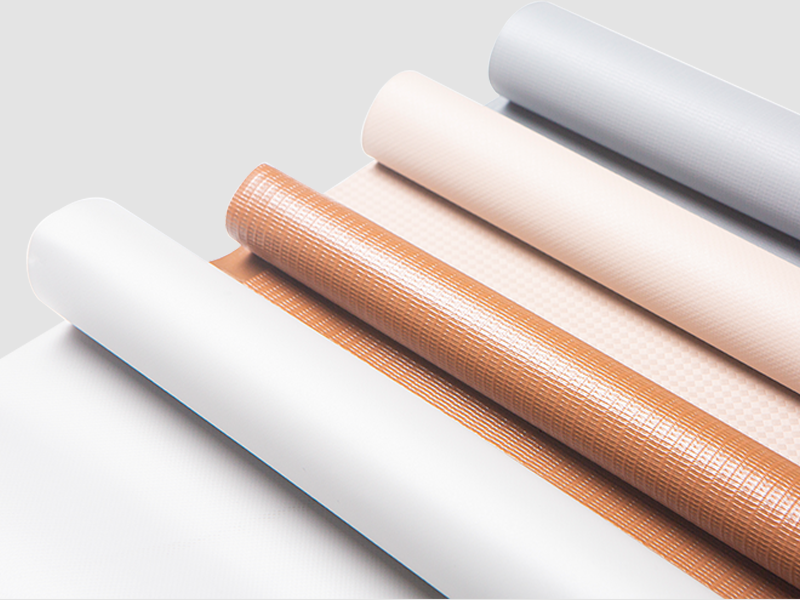
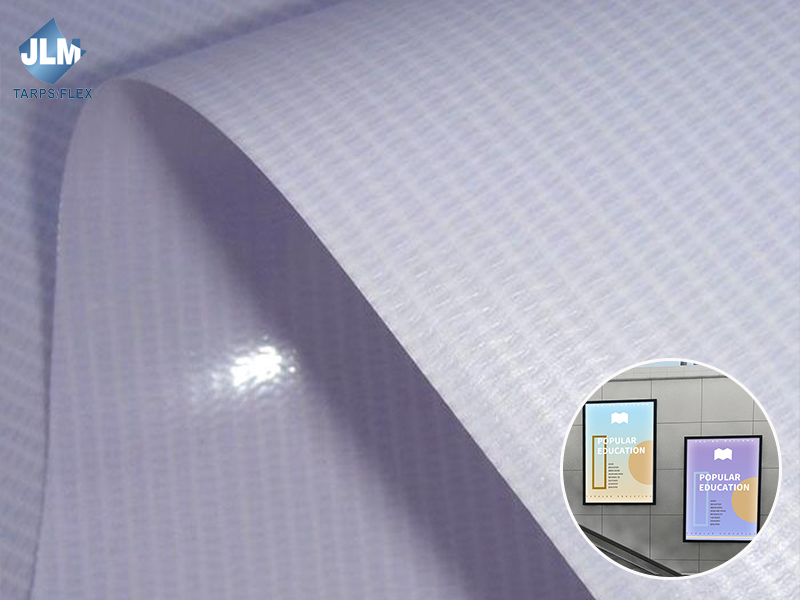
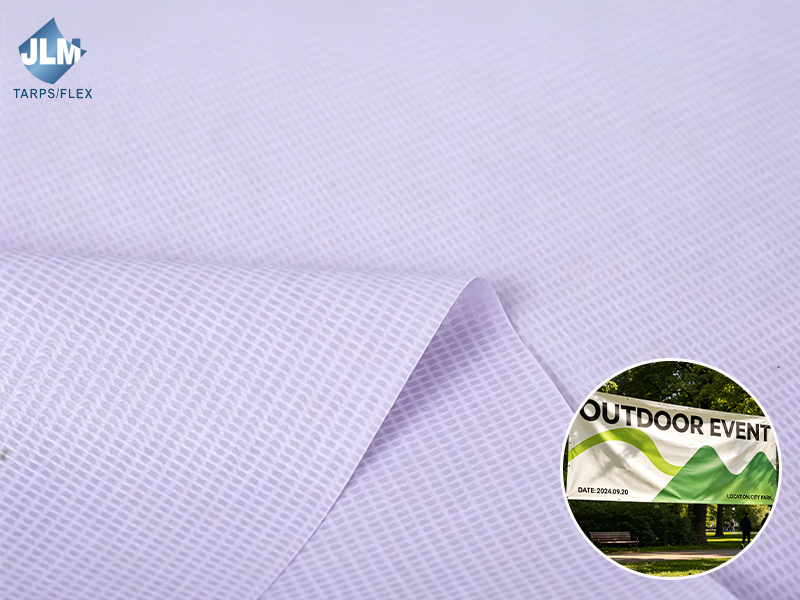
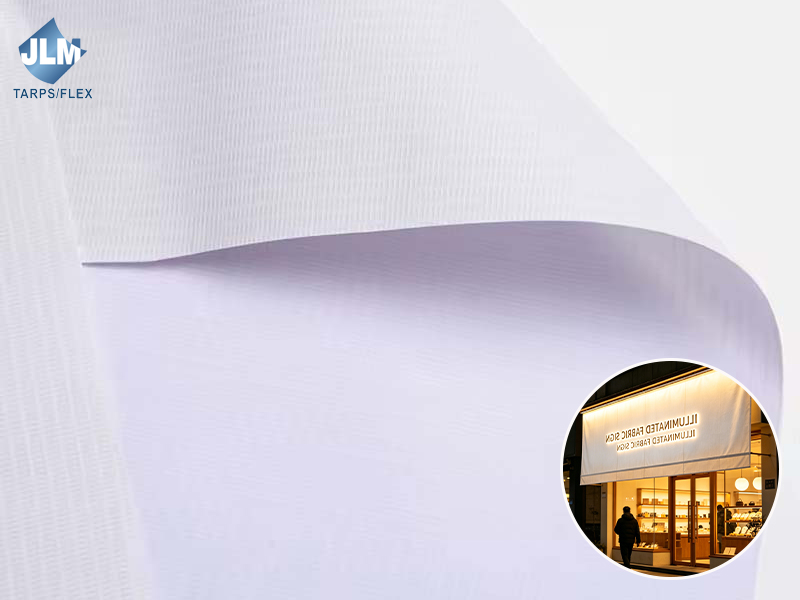
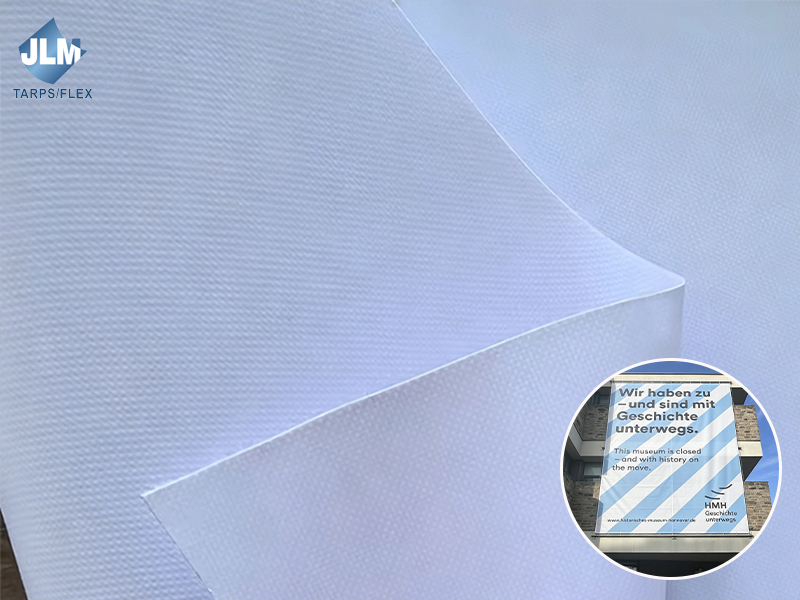
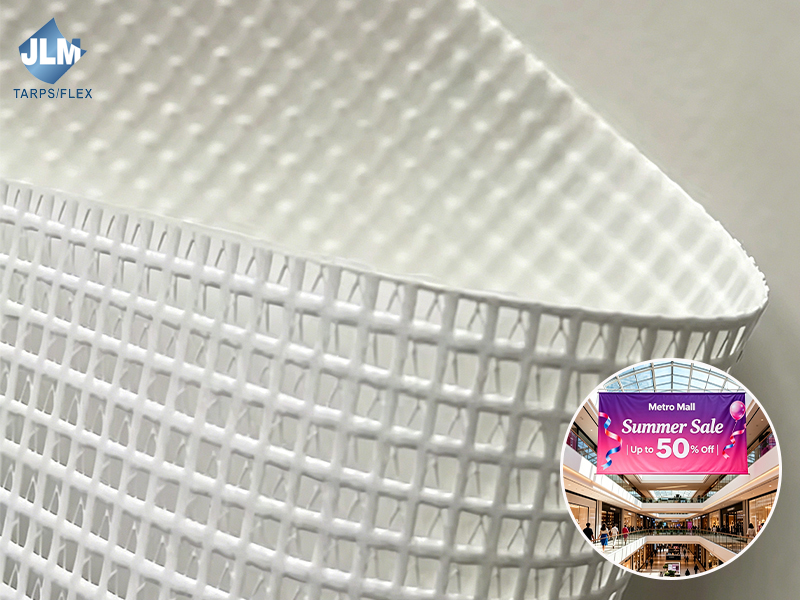
Vinyl (PVC) films with pressure-sensitive adhesive backings are the standard substrate for vehicle wraps, window decals, banners, and outdoor signage. These films can be digitally printed with high resolution and are weather-resistant for outdoor applications lasting 3 to 7 years depending on the grade.
Flooring and Wall Coverings
Luxury vinyl tile (LVT) and vinyl plank flooring are made with PVC wear layers, often ranging from 0.2 mm to 0.7 mm thick. Wall covering films in thin PVC provide decorative and protective surfaces for commercial interiors.
Medical and Healthcare
Medical-grade thin PVC is used in blood bags, IV tubing, oxygen masks, and sterile packaging. These products use plasticizers that comply with ISO 10993 biocompatibility standards to ensure patient safety.
How to Choose the Right Thin PVC Product
Selecting the correct thin PVC or vinyl product requires attention to several key parameters. Using the wrong grade can result in material failure, regulatory non-compliance, or poor performance in end-use environments.
- Define the required thickness: Be precise about the thickness needed. A 0.1 mm film behaves very differently from a 0.3 mm sheet in terms of rigidity, drape, and printability. Request material specifications or samples before bulk ordering.
- Clarify the plasticizer type: For food contact, medical, or children's products, specify phthalate-free or REACH-compliant plasticizers. Standard industrial grades may contain plasticizers not suitable for sensitive applications.
- Check transparency requirements: If optical clarity is critical (e.g., packaging windows or display covers), request haze and light transmission data from the supplier. Not all clear PVC films achieve the same clarity level.
- Consider surface treatment needs: If the film will be printed or laminated, ask whether the material has been corona-treated or primed for adhesion. Untreated PVC surfaces may cause ink adhesion failures.
- Verify certifications: For regulated industries such as food packaging, medical devices, or construction, confirm that the PVC product holds relevant certifications such as FDA, EU food contact compliance, or RoHS.
- Evaluate temperature tolerance: Thin PVC begins to soften around 60–80°C and can become brittle at very low temperatures, depending on formulation. If the product will be used in extreme temperatures, confirm the material's performance range with the supplier.
When in doubt, request a material data sheet (MDS) or technical data sheet (TDS) from your supplier. These documents provide exact specifications including tensile strength, elongation at break, plasticizer content, and compliance information — all of which are essential for making a well-informed purchasing decision.