
 English
 русский
 Français
 Español
Content
- 1 Vinyl vs PVC: Understanding the Core Difference
- 2 How PVC Is Made and Why It Comes in So Many Forms
- 3 Vinyl vs PVC: Key Property Differences in Practical Use
- 4 Common Applications Where the Vinyl vs PVC Distinction Matters
- 5 Inflatable Dinghy Materials: An Overview
- 6 PVC Inflatable Dinghies: Advantages and Limitations
- 7 CSM (Hypalon) Inflatable Dinghies: Advantages and Limitations
- 8 PVC vs CSM Dinghy: Side-by-Side Comparison
- 9 How to Choose the Right Inflatable Dinghy Material for Your Needs
Vinyl vs PVC: Understanding the Core Difference
The terms "vinyl" and "PVC" are used interchangeably in many industries, yet they are not technically identical. Understanding the distinction — and knowing when it actually matters — saves considerable confusion when selecting materials for construction, marine, or consumer applications.
Vinyl is a broad chemical family. It refers to any compound built around the vinyl group (CH₂=CH−), a radical derived from ethylene. This family includes ethylene vinyl acetate (EVA), polyethylene vinyl acetate (PEVA), and numerous other compounds, each with distinct physical properties and applications. PVC — polyvinyl chloride — is one specific member of this family: a polymer created by polymerizing vinyl chloride monomers. It is by far the most commercially significant vinyl compound, accounting for roughly 40 million metric tons of global production annually.
The practical takeaway: all PVC is vinyl, but not all vinyl is PVC. In everyday usage — particularly in fencing, flooring, windows, and marine products — the word "vinyl" almost always refers to PVC or a PVC-based composite. Manufacturers frequently prefer the term "vinyl" in consumer-facing contexts because it sounds more appealing than the industrial abbreviation "PVC," even when the underlying material is identical.
How PVC Is Made and Why It Comes in So Many Forms
PVC is synthesized through a process called polymerization, in which vinyl chloride monomers — derived from combining ethylene (from crude oil) and chlorine (from salt) — are linked together into long polymer chains. The base resin produced by this reaction is hard and brittle on its own. What makes PVC one of the world's most versatile materials is its responsiveness to additives.
By incorporating different stabilizers, plasticizers, and modifiers during manufacturing, producers can tailor the final product across a broad spectrum of properties:
- Rigid PVC (uPVC): Produced without plasticizers, this form is hard, dimensionally stable, and fire-resistant. It is used for window frames, pipe systems, siding, and structural profiles. In the window industry, uPVC (unplasticized PVC) is also called "vinyl" — the same material regardless of label.
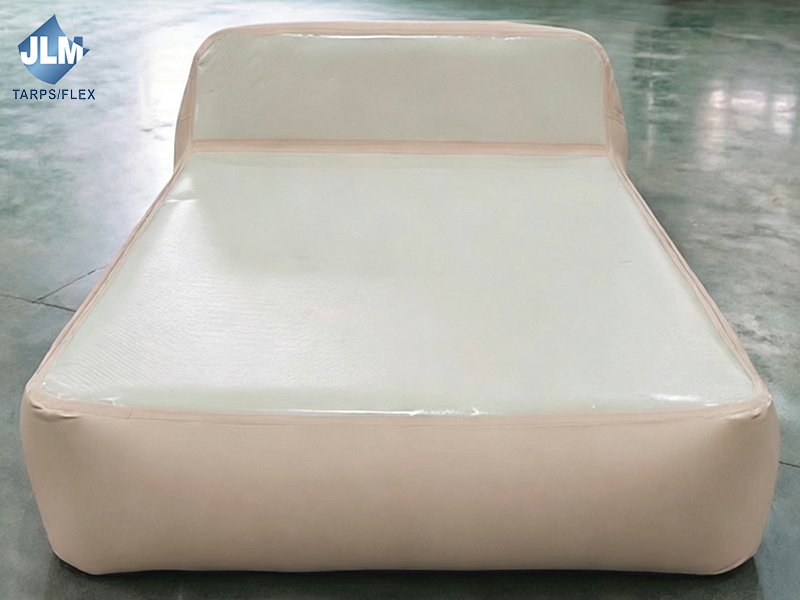
- Flexible PVC: Plasticizers — typically phthalates or newer bio-based alternatives — are added to make the material pliable. This form is used for flooring sheets, upholstery, electrical cable insulation, tarpaulins, inflatables, and marine fabrics.
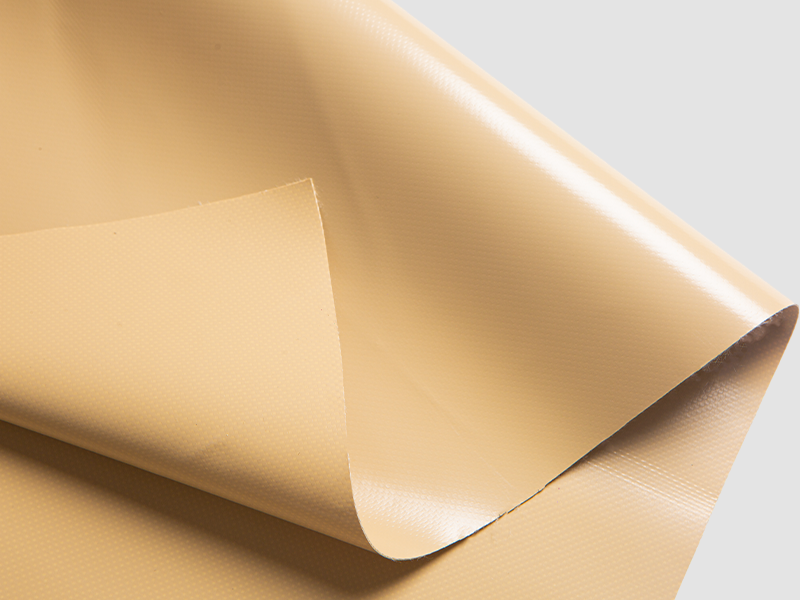
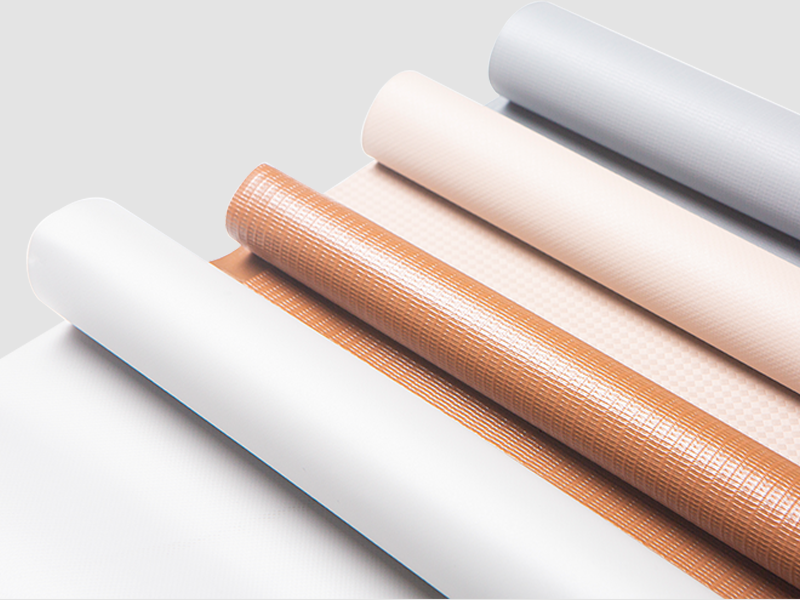
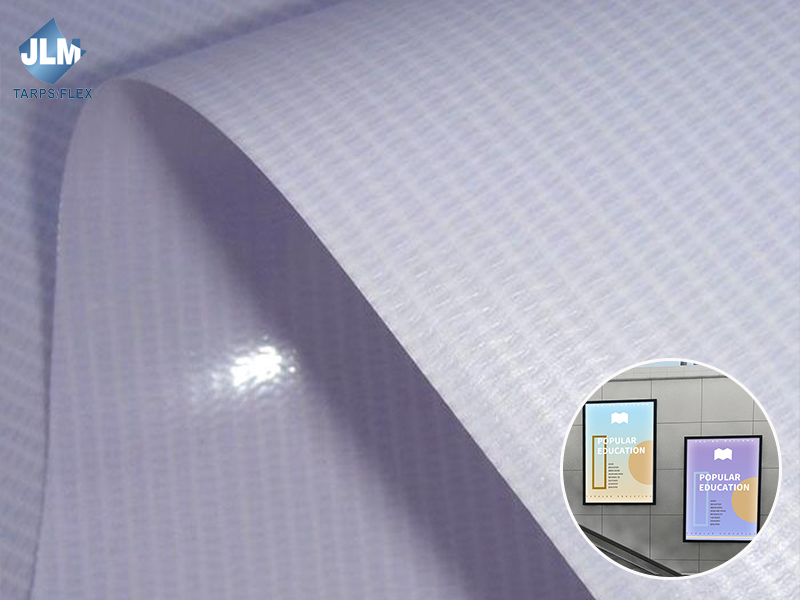
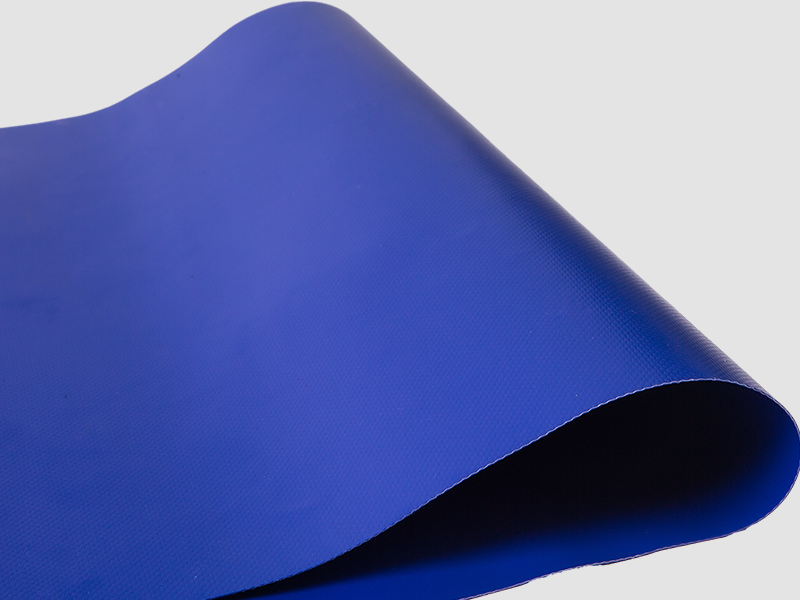
- Coated fabrics: A woven polyester or nylon substrate is coated with PVC on one or both sides. This construction combines the tensile strength of the textile with the waterproofing and abrasion resistance of PVC. The result is used in tarpaulins, inflatable boats, truck curtains, and industrial covers.
This material flexibility is precisely why PVC appears in such disparate applications — from rigid drain pipes to soft inflatable beach toys — and why product labels can be inconsistent. The chemistry is the same; the formulation and additives vary enormously.
Vinyl vs PVC: Key Property Differences in Practical Use
When industry professionals do distinguish between "vinyl" and "PVC" as separate product categories — particularly in tarpaulins, upholstery, and industrial fabrics — the distinction generally refers to the construction quality and intended duty level rather than a fundamentally different polymer.
| Property | Standard Vinyl (Light-Duty) | Heavy-Duty PVC |
|---|---|---|
| UV Resistance | Moderate; fading with prolonged exposure | High; UV stabilizers added |
| Tensile Strength | Lower; suited for light loads | High; reinforced fabric core |
| Temperature Range | Narrower; can stiffen in cold | Wider; stable across extremes |
| Chemical Resistance | Basic | Excellent; resists oils and acids |
| Cost | Lower | Higher |
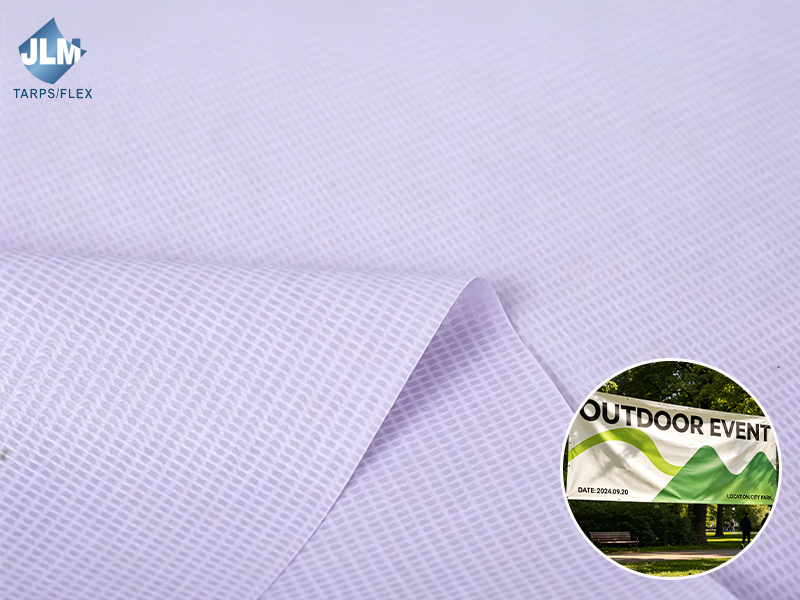
| Typical Uses | Banners, event tents, recreational items | Truck covers, industrial tarps, marine inflatables |
The bottom line for purchasing decisions: do not rely on the label alone. Whether a product is marketed as "vinyl" or "PVC," the specifications that matter are wall thickness, UV stabilizer rating, fabric denier (for coated materials), and the specific grade of plasticizer used. Two products with the same label can perform very differently depending on these underlying specifications.
Common Applications Where the Vinyl vs PVC Distinction Matters
Fencing and Decking
In the residential fencing industry, "vinyl fence" and "PVC fence" refer to the same product. Both terms describe rigid uPVC panels and posts that resist rot, warping, and insect damage. For fencing, a minimum wall thickness of 0.080 inches is recommended for residential applications, while commercial or high-wind installations typically require 0.120 inches or more. PVC decking is also common and, unlike wood-composite decking, contains no organic fiber and therefore cannot support mold growth or moisture-related decay.
Flooring
Vinyl flooring and PVC flooring are interchangeable terms covering a family of products including sheet vinyl, luxury vinyl plank (LVP), luxury vinyl tile (LVT), and rigid-core variants such as SPC (stone plastic composite) and WPC (wood plastic composite). All of these use PVC as their primary functional layer. LVP with an SPC core offers superior dimensional stability compared to basic sheet vinyl and handles temperature fluctuations more effectively, making it the preferred choice for high-traffic residential and light commercial installations.
Windows
Vinyl windows are made from uPVC — rigid, unplasticized polyvinyl chloride. Unlike flexible PVC, uPVC is fire-resistant, recyclable, and dimensionally stable over decades of temperature cycling. The term "vinyl window" is universally used in North America; "uPVC window" is the more common designation in Europe and Australia. Both refer to the same material.
Tarpaulins and Industrial Covers
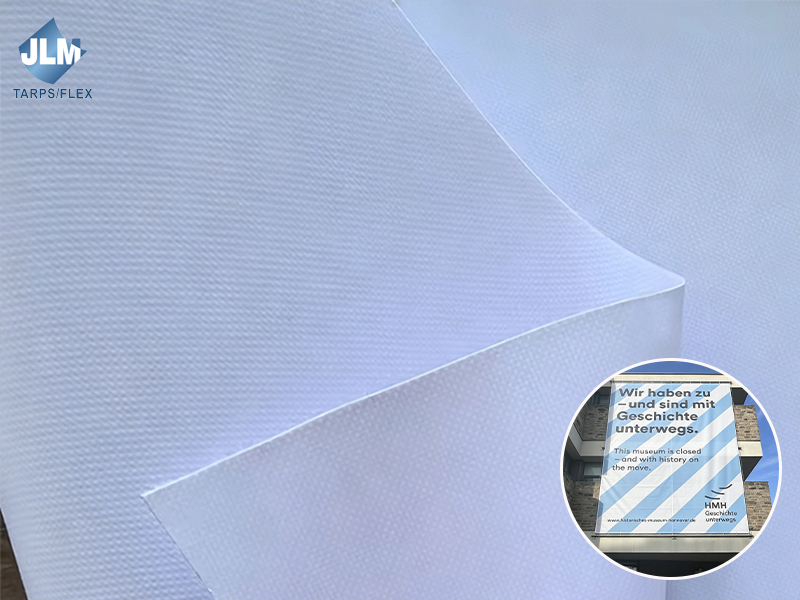
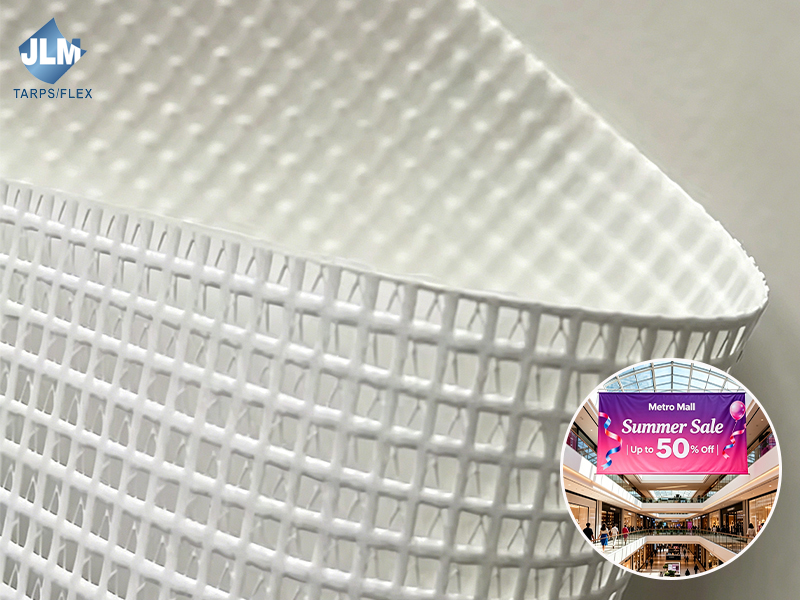
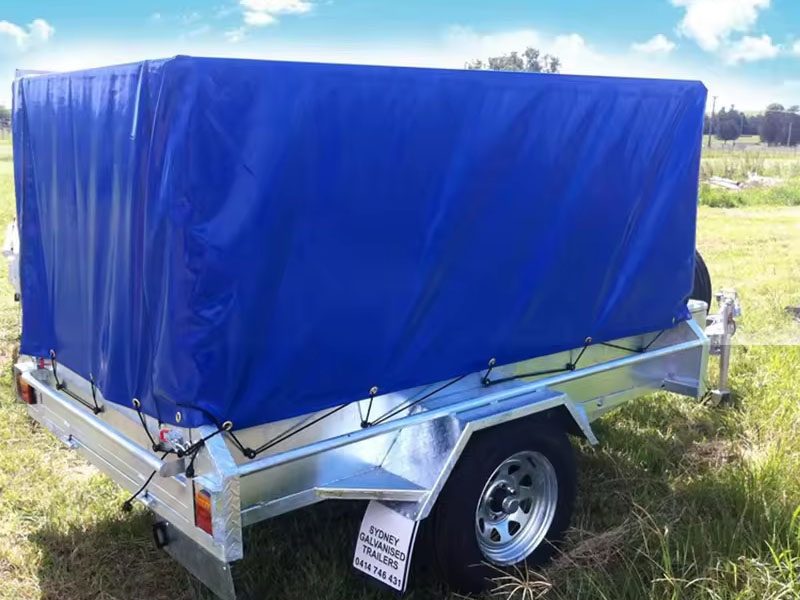
In the tarpaulin industry, a meaningful performance distinction does exist between lighter "vinyl tarps" and heavier "PVC canvas tarps." PVC canvas tarps use a heavier, reinforced fabric substrate with a thicker PVC coating and enhanced UV stabilizers, making them more suitable for extended outdoor exposure, construction site use, and cargo protection. Lighter vinyl tarps are typically suited for temporary event structures, recreational use, and short-duration applications where cost and portability take priority over longevity.
Inflatable Dinghy Materials: An Overview
Almost all inflatable dinghies and rigid inflatable boats (RIBs) are constructed from one of two primary fabric types: PVC coated fabric or CSM (Chlorosulfonated Polyethylene) — commonly known by the legacy trade name Hypalon. These two materials define very different cost, performance, and longevity profiles, and choosing between them is one of the most consequential decisions a dinghy buyer will make.
A third option — Nitrylon, a natural rubber and nitrile compound — exists as an eco-focused alternative, though it remains a niche choice compared to PVC and CSM. Understanding how the two dominant materials compare across durability, UV resistance, repairability, weight, and cost provides the clearest path to a well-matched purchasing decision.
PVC Inflatable Dinghies: Advantages and Limitations
PVC became the dominant material for entry-level and mid-range inflatable dinghies primarily because of its cost advantage. PVC fabric is significantly less expensive to produce than CSM, and advances in manufacturing — particularly the shift from adhesive-bonded seams to hot-air welded seams — transformed early PVC inflatables from unreliable products into robust and dependable boats.
Advantages of PVC Dinghies
- Lower purchase cost: PVC dinghies typically cost 50% to 70% less than equivalent CSM models, making them accessible to a much broader range of buyers.
- Lighter weight: PVC fabric is lighter than CSM, which improves portability, fuel efficiency when paired with an outboard motor, and ease of handling when launching and retrieving the boat.
- Superior air retention: PVC's structural properties result in better air retention than CSM/Hypalon, which relies on adhesive-bonded seams. The accepted air loss standard for a new PVC dinghy is less than 7% over 24 hours; for Hypalon/CSM, the factory-acceptable threshold is up to 15% over the same period.
- Easier patching: PVC punctures and tears can be repaired quickly and effectively using standard PVC repair kits, without the specialized solvents and surface preparation that CSM demands.
- More color options: PVC is available in a wide range of colors, whereas CSM boats are typically limited to dark grey and other neutral tones.
Limitations of PVC Dinghies
- UV vulnerability: Extended exposure to direct sunlight is PVC's principal weakness in marine applications. Without UV protection — through a boat cover, shade storage, or regular application of UV protectant — PVC material can become dry, brittle, discolored, and tacky. In hot, sunny climates this degradation can progress noticeably within a few seasons.
- Heat sensitivity: In very high temperatures, particularly when left inflated in direct sun, PVC can become sticky and lose some dimensional stability. This is less of an issue in temperate climates.
- Shorter lifespan under neglect: A well-maintained PVC dinghy stored out of direct sunlight can last a decade or more. However, a neglected PVC boat exposed to constant UV in a hot climate may show significant deterioration within 5 years.
- Fuel and chemical sensitivity: PVC has lower resistance to fuel spills, oils, and certain chemicals compared to CSM — a relevant consideration for dinghies stored in close proximity to outboard engine fuel.
CSM (Hypalon) Inflatable Dinghies: Advantages and Limitations
Hypalon — the original DuPont trade name for chlorosulfonated polyethylene synthetic rubber — was discontinued by its manufacturer in 2009 due to environmental and production cost pressures. The material is now produced by other manufacturers under the chemical designation CSM (Chlorosulfonated Polyethylene), with Orca CSM from France being one of the most widely recognized premium grades. Despite the name change, the material's performance characteristics remain essentially the same, and the industry continues to use "Hypalon" colloquially to refer to all CSM products.
Advantages of CSM/Hypalon Dinghies
- Superior UV and heat resistance: CSM significantly outperforms PVC in resistance to UV radiation and sustained heat exposure, making it the strongly preferred material for dinghies kept in tropical climates, at anchor in full sun, or on deck davits without covers.
- Exceptional longevity: A well-maintained CSM dinghy can remain serviceable for 20 or more years. Well-documented examples of Hypalon/CSM dinghies operating effectively at 15 to 25 years of age are common in the sailing community.
- Chemical and fuel resistance: CSM offers significantly better resistance to fuel spills, oils, and marine chemicals — an important practical advantage on working boats and liveaboards.
- Abrasion and impact resistance: The rubber-based structure of CSM provides excellent toughness against chafe, abrasion, and physical impact — particularly relevant for dinghies that are regularly dragged over rocks, beaches, or dock edges.
- Color retention: CSM retains its color far better than PVC under prolonged UV exposure.
Limitations of CSM/Hypalon Dinghies
- Higher cost: CSM dinghies can cost two to three times as much as equivalent PVC models, placing them in the professional, charter, and serious bluewater cruiser market rather than the recreational buyer segment.
- Greater weight: CSM fabric is heavier than PVC, which increases the total weight of the dinghy and can make stowing, rowing, and portaging more demanding.
- More demanding repairs: CSM seams and patches require specific solvents (such as methyl ethyl ketone), scuffing of the surface, and a more involved bonding process. While these repairs are entirely achievable, they demand more skill and time than patching a PVC boat.
- Air retention: Because CSM construction relies on adhesive-bonded seams rather than welded ones, some air seepage through seams is inherent and factory-accepted. Owners of CSM dinghies typically need to top off air pressure more frequently than PVC owners.
- Less flexibility for packing: The robust rubber structure of CSM makes the material stiffer and less accommodating for tight folding and compact storage compared to PVC.
PVC vs CSM Dinghy: Side-by-Side Comparison
| Factor | PVC Dinghy | CSM / Hypalon Dinghy |
|---|---|---|
| Typical Lifespan | 5–15 years (with care) | 15–25+ years |
| UV Resistance | Moderate | Excellent |
| Fuel/Chemical Resistance | Limited | Excellent |
| Air Retention | Better (<7% loss/24hr) | Good (up to 15% loss/24hr accepted) |
| Weight | Lighter | Heavier |
| Repair Difficulty | Easy (standard patch kit) | More involved (solvents required) |
| Relative Cost | Lower (50–70% less) | Higher (2–3x PVC) |
| Best Climate | Temperate; short seasons | Tropical; year-round sun |
| Typical Users | Recreational; seasonal boaters | Liveaboards; commercial; military |
How to Choose the Right Inflatable Dinghy Material for Your Needs
The right material choice depends on three primary variables: climate, usage intensity, and storage discipline.
Choose PVC if: you boat seasonally in a temperate climate with a winter storage period, you store the dinghy away from direct sunlight during the off season (or use a UV cover consistently), your budget favors a lower upfront investment, or you prioritize lightweight handling and portability. A well-maintained PVC dinghy used in northern European or northeastern American conditions can comfortably achieve 10 or more years of service.
Choose CSM if: you are a liveaboard or bluewater cruiser spending extended time in tropical or high-UV environments, the dinghy will spend significant time on deck davits or at anchor without a cover, fuel and chemical exposure is a regular risk, or you prioritize owning a single boat for 15 to 20 years rather than replacing a cheaper boat every few seasons.
Regardless of material, the single most impactful care practice for any inflatable dinghy is UV protection — whether through a purpose-made dinghy cover, consistent use of UV protectant spray, or simply storing the boat out of direct sunlight when not in use. The majority of premature inflatable failures — in both PVC and CSM boats — are attributable to UV degradation combined with insufficient maintenance rather than any inherent material deficiency.
When evaluating specific PVC models, prioritize boats with hot-air welded seams over those with glued or high-frequency welded construction. For CSM, look for boats using premium fabric brands such as Orca CSM and verify that seam construction is clean, even, and free of excess adhesive residue. In either category, purchasing from an established manufacturer with a proven service network will provide far better long-term value than sourcing a cheaper product from an unknown brand.