
 English
 русский
 Français
 Español
Content
- 1 PVC Coated Polyester Fabric: How the Waterproofing Works
- 2 Key Applications of Waterproof PVC Coated Polyester Fabric
- 3 PVC Laminated Wallpaper: Construction, Performance, and What to Look For
- 4 Polyvinyl Chloride vs Vinyl: Clearing Up the Confusion
- 5 Sustainability and the Future of PVC-Based Materials
PVC Coated Polyester Fabric: How the Waterproofing Works
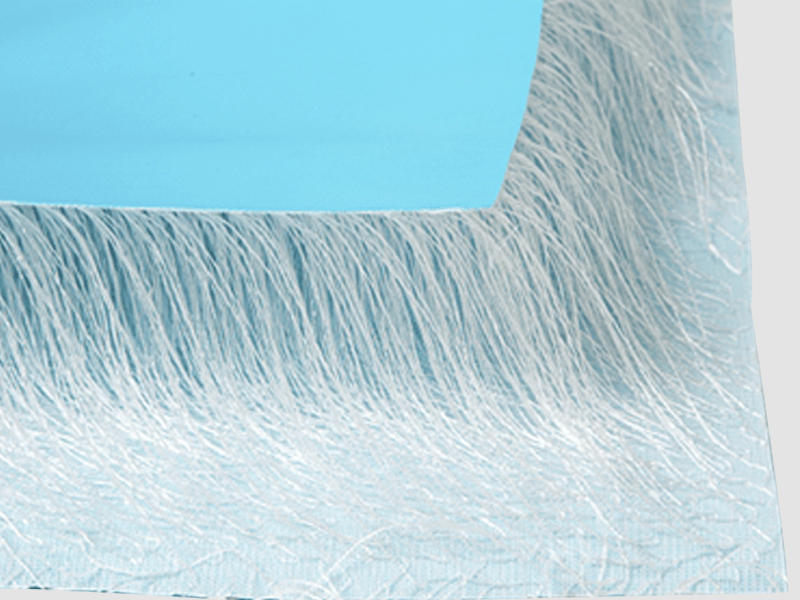
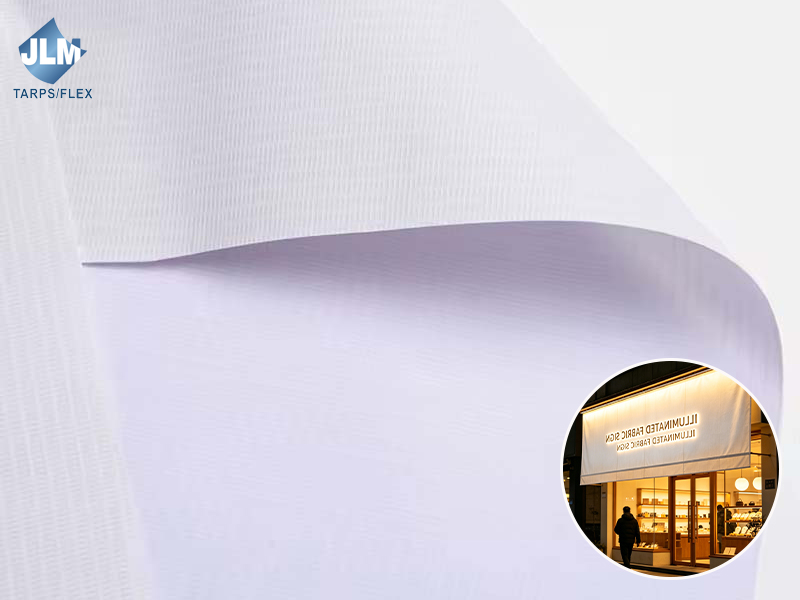
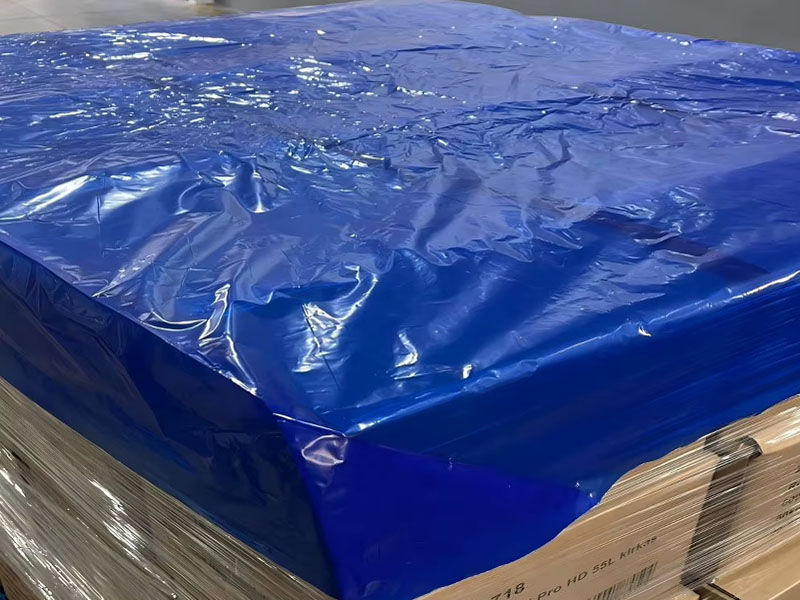
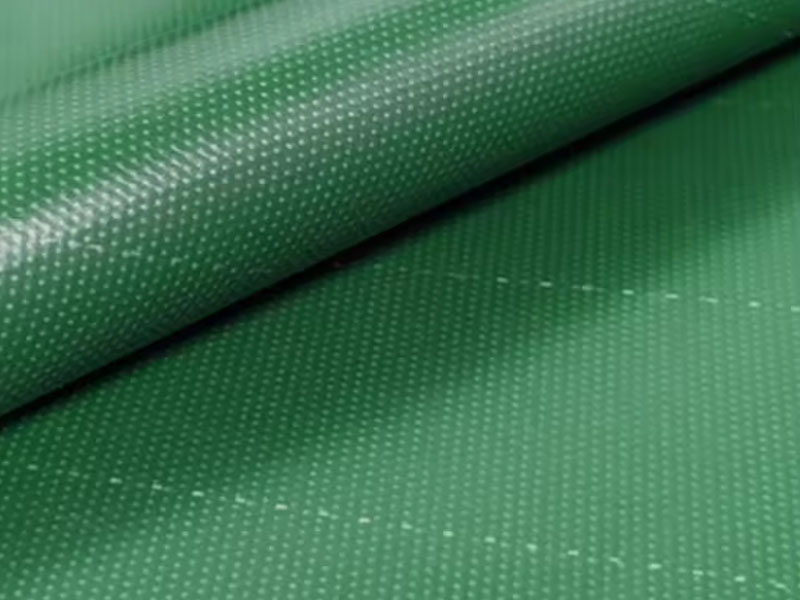
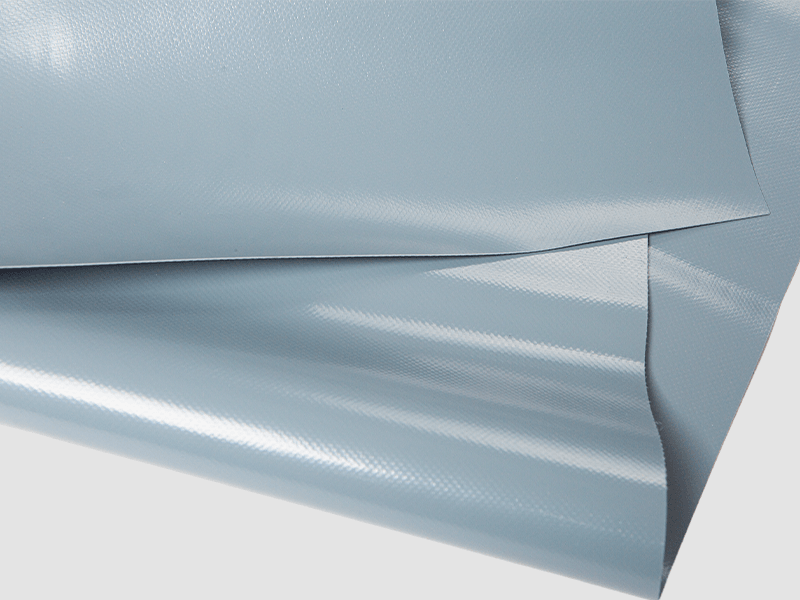
PVC coated polyester fabric is a high-performance composite material produced by laminating or calendering a polyvinyl chloride compound onto a woven or knitted polyester base. The polyester scrim provides tensile strength, dimensional stability, and tear resistance, while the PVC coating delivers the waterproof, weatherproof, and UV-resistant surface that makes the material suitable for demanding outdoor and industrial applications.
The waterproofing performance of PVC coated polyester is measured by hydrostatic head pressure — the column of water (in millimetres) the fabric can resist before moisture penetrates. Standard grades typically achieve 1,500–3,000 mm, while heavy-duty marine and architectural grades can exceed 10,000 mm. By comparison, a fabric is generally considered waterproof at 1,500 mm or above; a lightweight tent fabric sits around 1,500–2,000 mm, whereas truck tarpaulins and industrial covers are commonly specified at 3,000–5,000 mm.
Coating weight is the primary variable that governs performance. Common specifications range from 300 gsm to 1,050 gsm depending on the application:
- 300–450 gsm: Lightweight covers, advertising banners, exhibition displays, and temporary shelters.
- 500–650 gsm: Truck tarpaulins, agricultural covers, and construction site barriers.
- 700–900 gsm: Inflatable structures, pool liners, and industrial curtain walls.
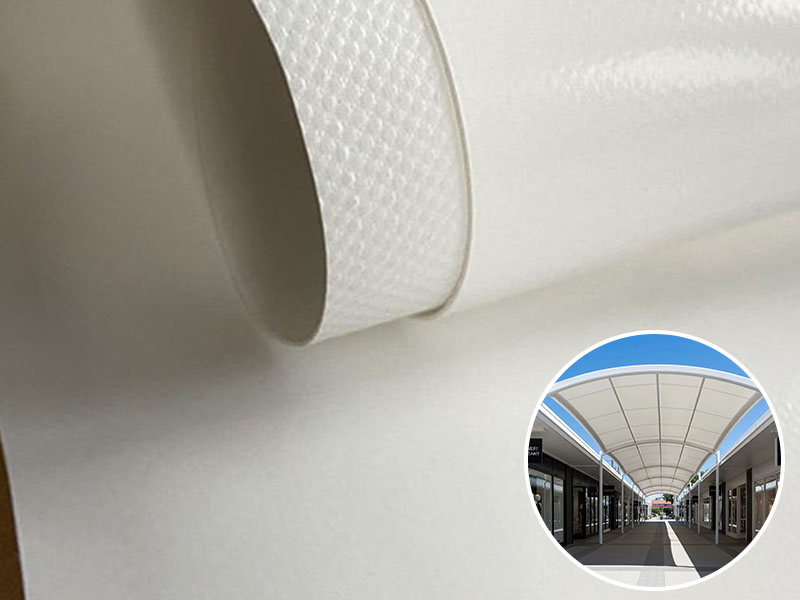
- 900–1,050 gsm+: Marine awnings, stadium roofing membranes, and tensile architectural facades.
Additional functional properties — flame retardancy (tested to EN 13501-1, NFPA 701, or BS 5867), anti-mould treatment, anti-static finish, and cold-crack resistance down to −30°C — are incorporated into the PVC compound formulation at the manufacturing stage, making this one of the most technically customisable technical textile substrates available.
Key Applications of Waterproof PVC Coated Polyester Fabric
The combination of structural integrity and surface impermeability makes PVC coated polyester one of the most widely specified technical fabrics across multiple industries. Its applications extend well beyond simple covers and canopies:
- Transportation: Side curtains and top sheets for curtainsider trucks must meet EN 12641-1 requirements for load restraint; PVC coated polyester in 650–900 gsm is the dominant specification for these applications.
- Architecture and tensile structures: ETFE and PVC membrane roofs — such as those covering sports stadia and airport terminals — rely on coated polyester base fabrics with tensile strengths exceeding 4,000 N/5 cm in both warp and weft directions.
- Marine: Boat covers, bimini tops, and inflatable RIB tubes require fabrics that resist salt water, UV degradation, and abrasion simultaneously — a performance profile that PVC coated polyester meets more cost-effectively than alternatives such as Hypalon (CSM) or neoprene.
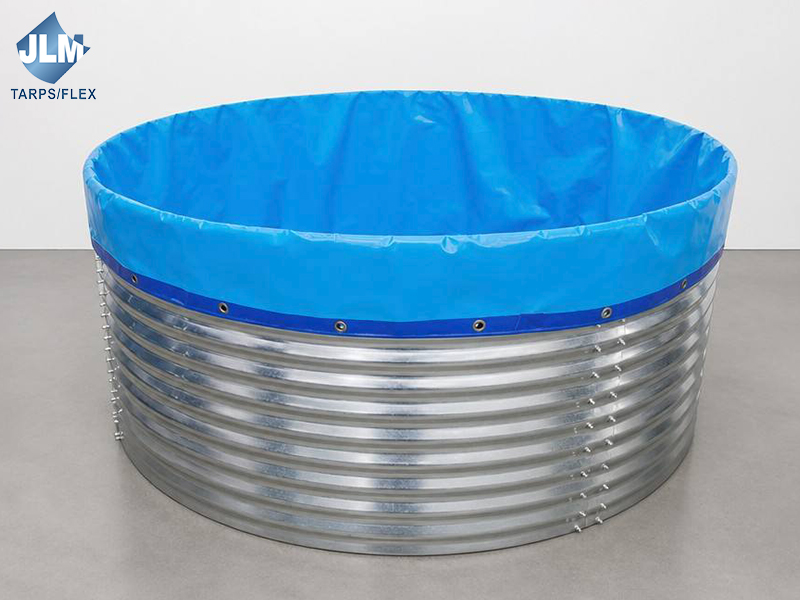
- Agriculture: Silo covers, silage pit liners, and greenhouse thermal screens use PVC coated polyester for its resistance to fertiliser chemicals and its ability to be heat-welded into large seamless sheets.
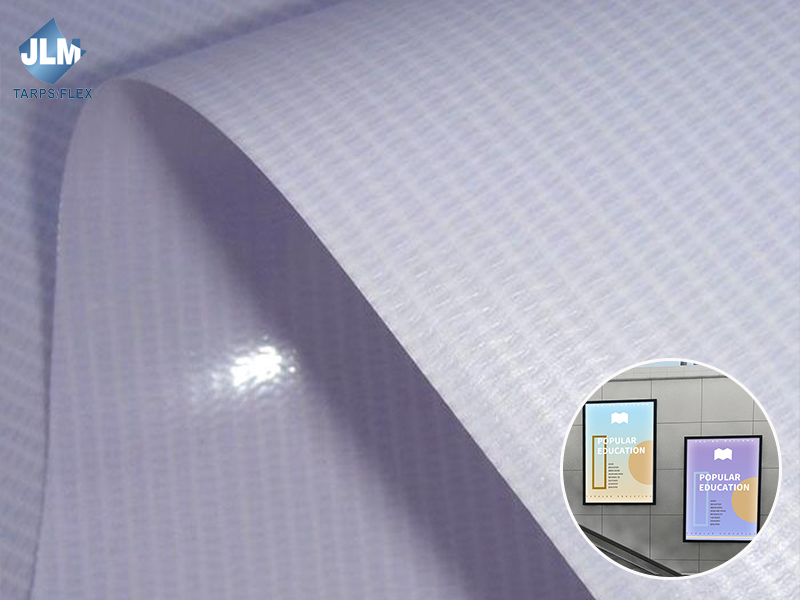
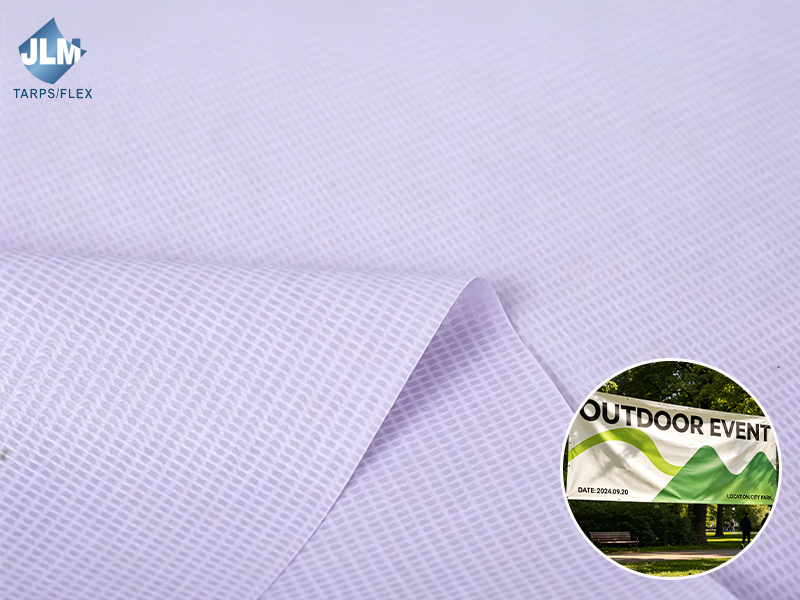
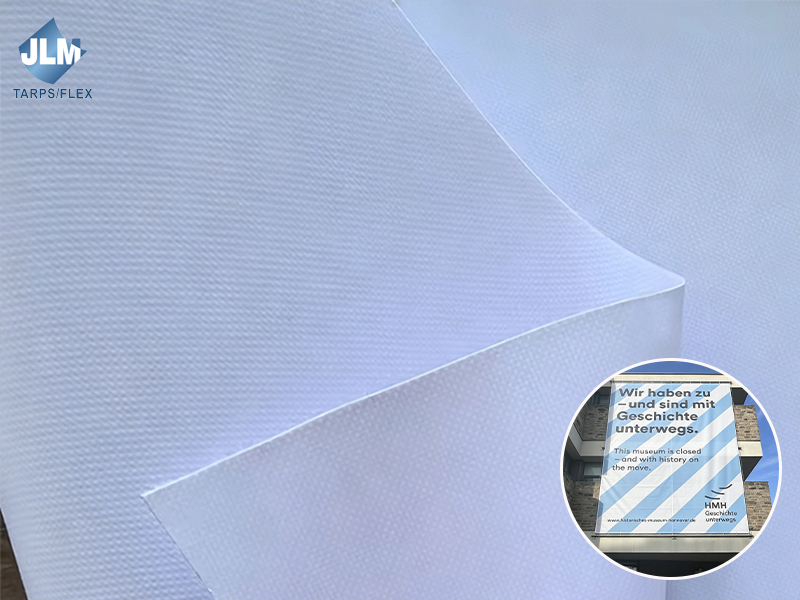
- Advertising and events: Large-format digitally printed banners and exhibition backdrops are produced on 300–440 gsm PVC coated polyester, chosen for its flat print surface, dimensional stability under tension, and ease of welding eyelets and hems.
PVC Laminated Wallpaper: Construction, Performance, and What to Look For
PVC laminated wallpaper — also referred to as vinyl wallpaper or PVC-backed wallcovering — is produced by bonding a decorative printed or embossed PVC film to a paper, non-woven, or fabric substrate. The lamination process creates a surface that is washable, scrubbable, moisture-resistant, and significantly more durable than standard paper-based wallcoverings, making it the dominant specification for commercial, hospitality, and high-traffic residential interiors.
The performance of PVC laminated wallpaper is classified under EN 15102 (decorative wallcoverings) and the commercial-grade EN 233 standard, which defines six classes of abrasion resistance and washability. In practice, buyers should evaluate wallpaper by the following key parameters:
- Total weight (gsm): Residential PVC wallpapers typically range from 120–180 gsm; commercial grades used in hotels and healthcare facilities start at 200 gsm and can exceed 400 gsm for heavy-duty acoustic or impact-resistant wallcoverings.
- PVC layer thickness: A thicker PVC face (0.15–0.3 mm for residential; 0.3–0.5 mm for commercial) provides better emboss definition, richer colour depth, and greater resistance to scuffs and staining.
- Substrate type: Non-woven backings offer superior dimensional stability and easier dry-strippability (the face and backing remove as a single piece), reducing wall damage during redecoration. Paper backings are lower cost but prone to tearing during removal.
- Fire classification: For commercial installations, EN 13501-1 Class B-s1, d0 is the benchmark. In the US, ASTM E84 Class A (flame spread index ≤25) is the equivalent specification required by most building codes for corridors and public spaces.
One important consideration when specifying PVC laminated wallpaper is breathability. Standard PVC wallcoverings have low vapour permeability — typically below 0.05 mg/(m²·h·Pa) — which means moisture can become trapped between the wall substrate and the wallcovering if the wall is damp or if the building envelope is poorly insulated. In such conditions, mould growth behind the wallcovering is a documented risk. Micro-perforated PVC wallpapers, which incorporate thousands of laser-drilled holes per square metre, address this by allowing vapour transmission while maintaining the surface washability and durability of solid PVC.
Polyvinyl Chloride vs Vinyl: Clearing Up the Confusion
The terms polyvinyl chloride and vinyl are used interchangeably in most commercial contexts — and while that is broadly acceptable in practice, there is a meaningful technical distinction that matters when specifying materials for construction, manufacturing, or surface finishes.
Polyvinyl chloride (PVC) refers specifically to the polymer produced by the polymerisation of vinyl chloride monomer (VCM). Its chemical formula is (CH₂–CHCl)ₙ. In its pure form, PVC is a rigid, brittle thermoplastic. To produce the flexible materials used in coated fabrics, wallcoverings, flooring, and cable insulation, plasticisers (most commonly phthalates or increasingly bio-based alternatives) are added at concentrations of 20–50% by weight, yielding what is technically called plasticised PVC or flexible PVC.
Vinyl, in everyday building and consumer product usage, is a shorthand term for PVC-based materials — particularly flexible, surface-finish products such as vinyl flooring, vinyl wallcovering, and vinyl upholstery. The word derives from the "vinyl group" (–CH=CH₂) in organic chemistry, which is present in the vinyl chloride monomer from which PVC is made.
The practical difference becomes relevant in two specific contexts:
- Flooring specifications: "Vinyl flooring" can refer to either traditional PVC-based LVT (Luxury Vinyl Tile) or to newer formulations such as SPC (Stone Plastic Composite) and WPC (Wood Plastic Composite), which contain PVC but also include limestone powder or wood fibre fillers. These composites are technically PVC-containing but not pure PVC, and their performance characteristics — rigidity, dimensional stability, thermal expansion — differ significantly from flexible vinyl sheet.
- Regulatory and sustainability contexts: PVC and vinyl are treated identically by most environmental regulations, including the EU's REACH regulation (which restricts specific plasticisers) and the Cradle to Cradle certification framework. However, some sustainability certification systems — notably Red List screening under the Living Building Challenge — distinguish between chlorinated polymers (including PVC/vinyl) and non-chlorinated alternatives such as TPO, TPE, or polyolefin-based films.
| Property | Rigid PVC (uPVC) | Flexible PVC / Vinyl |
|---|---|---|
| Plasticiser content | <5% | 20–50% |
| Shore hardness | Shore D 75–85 | Shore A 50–90 |
| Tensile strength | 40–60 MPa | 10–25 MPa |
| Typical applications | Window frames, pipes, door profiles | Coated fabrics, flooring, wallcovering, cable sheathing |
| Recyclability | Well-established (VinylPlus scheme) | More complex; requires plasticiser separation |
Sustainability and the Future of PVC-Based Materials
PVC has historically faced criticism over its environmental profile — specifically the use of chlorine in its production, the legacy of phthalate plasticisers linked to endocrine disruption, and the challenges of end-of-life recycling. However, the industry has made measurable progress over the past two decades.
The VinylPlus programme — the European PVC industry's voluntary commitment framework — reported that 771,000 tonnes of PVC were recycled in Europe in 2022, a 57% increase over the 2010 baseline. This includes mechanically recycled window profiles, pipes, flooring, and coated technical textiles. The target for 2030 is 900,000 tonnes per year.
On the plasticiser front, the shift from phthalate-based plasticisers (DEHP, DBP, BBP — now restricted under EU REACH Annex XVII) to non-phthalate alternatives such as DINCH, DOTP, and bio-based citrate esters has accelerated significantly. By 2023, non-phthalate plasticisers accounted for over 40% of total plasticiser consumption in Europe for flexible PVC applications, compared to less than 10% in 2010.
For specifiers evaluating PVC coated polyester fabric, PVC laminated wallpaper, and related products, the most reliable sustainability benchmarks are Oeko-Tex Standard 100 certification (confirming the absence of harmful substances at detectable levels), REACH compliance documentation from the supplier, and product-specific Environmental Product Declarations (EPDs) issued under ISO 14025, which quantify the carbon footprint, resource consumption, and end-of-life recyclability of the specific product formulation.