
 English
 русский
 Français
 Español
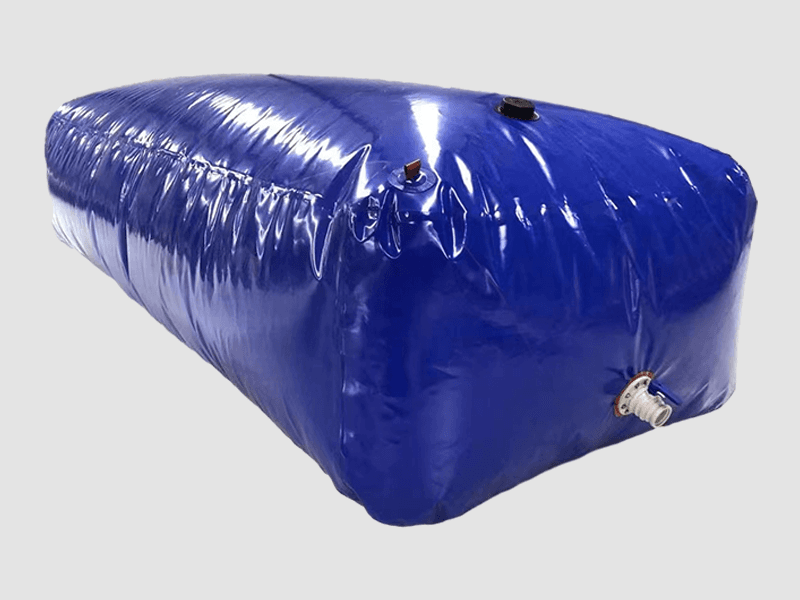
Flexible PVC water tanks have become an increasingly popular solution for emergency water storage in recent years. During natural disasters, humanitarian crises, infrastructure failures, or temporary water shortages, the ability to store and deploy clean water quickly is critical. Unlike traditional rigid tanks, flexible PVC water tanks are designed to be lightweight, foldable, and easy to transport, making them particularly attractive for emergency response scenarios. This article explores whether flexible PVC water tanks are truly suitable for emergency water storage by examining their structure, performance, advantages, limitations, and real-world applications.
Content
- 1 Understanding Flexible PVC Water Tanks
- 2 Why Emergency Water Storage Requires Specialized Solutions
- 3 Key Advantages of Flexible PVC Water Tanks in Emergencies
- 4 Water Safety and Hygiene Considerations
- 5 Durability and Performance in Harsh Conditions
- 6 Capacity Options and Scalability
- 7 Comparison with Traditional Emergency Water Storage Solutions
- 8 Limitations to Consider in Emergency Scenarios
- 9 Typical Emergency Use Cases
- 10 Conclusion: Are Flexible PVC Water Tanks Suitable for Emergency Water Storage?
Understanding Flexible PVC Water Tanks
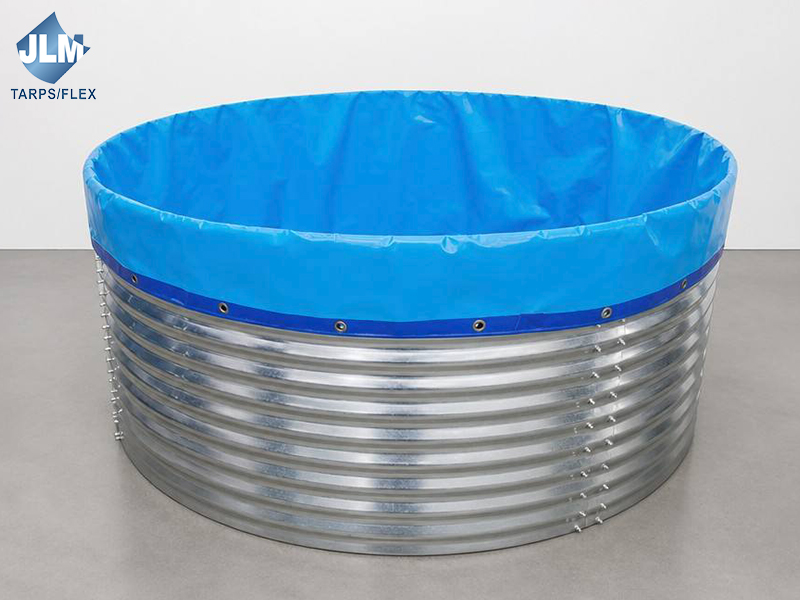
A flexible PVC water tank is a collapsible container made from reinforced polyvinyl chloride material. It is engineered to hold water securely while remaining lightweight and adaptable to different environments. When empty, the tank can be folded into a compact size, significantly reducing storage and transportation space. When filled, it expands to accommodate the designed water volume while maintaining structural stability.
These tanks are commonly equipped with inlet and outlet valves, sealed seams, and UV-resistant coatings. Depending on the model, they can store potable water, rainwater, or non-potable water for industrial or agricultural use. In emergency situations, this flexibility makes them a practical alternative to permanent storage systems.
Why Emergency Water Storage Requires Specialized Solutions
Emergency water storage differs significantly from routine water storage. It often involves unpredictable locations, limited setup time, and challenging environmental conditions. Water storage systems used in emergencies must be quick to deploy, easy to transport, and reliable under pressure.
In many disaster scenarios, access to electricity, heavy machinery, or skilled labor is limited. Therefore, emergency water storage solutions must function independently and require minimal installation effort. Flexible PVC water tanks are designed with these constraints in mind, making them well-suited to emergency response requirements.
Key Advantages of Flexible PVC Water Tanks in Emergencies
One of the primary advantages of flexible PVC water tanks is their portability. Emergency response teams can transport large-capacity tanks to disaster zones using standard vehicles, which is often impossible with rigid tanks. Once on site, the tanks can be deployed quickly without complex tools or foundations.
- Fast deployment without heavy equipment
- Foldable design for efficient transport and storage
- Adaptability to uneven or temporary ground surfaces
- Availability in a wide range of capacities
These advantages make flexible PVC water tanks particularly effective for disaster relief camps, temporary shelters, and remote emergency sites where time and logistics are critical factors.
Water Safety and Hygiene Considerations
For emergency water storage, maintaining water quality is essential. Many flexible PVC water tanks are manufactured using food-grade PVC materials that comply with international standards for potable water storage. This allows them to safely store drinking water when properly cleaned and maintained.
Sealed construction and controlled access points help reduce the risk of contamination. However, regular inspection and cleaning are still necessary, especially in long-term emergency situations. Proper handling practices, such as using clean hoses and avoiding direct exposure to contaminated environments, further enhance water safety.
Durability and Performance in Harsh Conditions
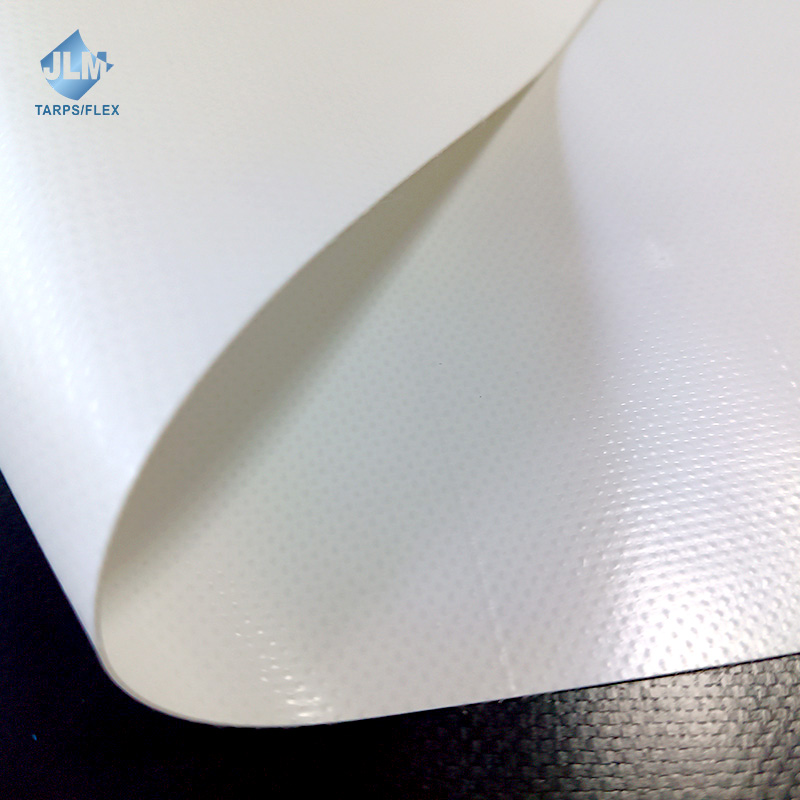
Emergency situations often expose equipment to extreme weather, rough terrain, and heavy use. Flexible PVC water tanks are designed to withstand these challenges through reinforced fabrics, strong weld seams, and UV-resistant coatings. Many models can operate effectively in hot, cold, or humid climates.
While they are not intended to replace permanent infrastructure, flexible PVC water tanks provide reliable short- to medium-term performance. Their ability to absorb minor ground movement without cracking gives them an advantage over rigid tanks in unstable environments.
Capacity Options and Scalability
Flexible PVC water tanks are available in a wide range of capacities, from small units for community use to large tanks capable of storing tens of thousands of liters. This scalability allows emergency planners to match storage capacity with population size and expected water demand.
Multiple tanks can also be connected to form a modular water storage system. This approach provides redundancy and flexibility, ensuring that water supply can be maintained even if one tank requires maintenance or replacement.
Comparison with Traditional Emergency Water Storage Solutions
| Feature | Flexible PVC Water Tank | Rigid Water Tank |
| Transport | Easy, foldable | Difficult, bulky |
| Installation | Quick, no foundation | Requires preparation |
| Adaptability | High | Low |
| Long-term use | Medium | High |
Limitations to Consider in Emergency Scenarios
Despite their advantages, flexible PVC water tanks also have limitations. They are more susceptible to punctures from sharp objects and require careful site selection. Protective ground layers and routine inspections are recommended to reduce the risk of damage.
Additionally, while they perform well in temporary or semi-permanent situations, flexible tanks are not designed for decades-long use. Emergency planners should consider them as part of a broader water management strategy rather than a permanent replacement for fixed infrastructure.
Typical Emergency Use Cases
Flexible PVC water tanks are widely used in disaster relief operations, refugee camps, military deployments, and emergency construction sites. Their rapid deployment capability allows responders to establish water storage systems within hours rather than days.
They are also suitable for temporary hospitals, fire-fighting water reserves, and emergency agricultural irrigation during droughts. These practical applications demonstrate their versatility and reliability in critical situations.
Conclusion: Are Flexible PVC Water Tanks Suitable for Emergency Water Storage?
Flexible PVC water tanks are highly suitable for emergency water storage due to their portability, rapid deployment, and adaptability to challenging environments. When manufactured to appropriate standards and used with proper handling practices, they provide a safe and efficient solution for storing water during emergencies.
While they are not intended to replace permanent water infrastructure, their role in emergency preparedness and disaster response is undeniable. For organizations and agencies seeking a reliable, scalable, and cost-effective emergency water storage solution, flexible PVC water tanks represent a practical and proven choice.