
 English
 русский
 Français
 Español
Content
The Versatility of PVC Layflat Hoses
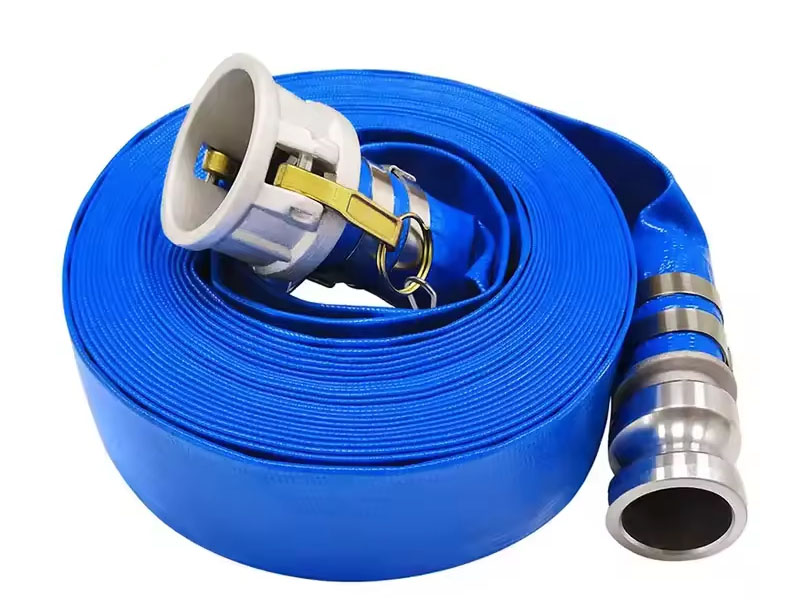
PVC layflat hoses are essential tools for efficient water transfer in agriculture, construction, and emergency dewatering. Their unique design allows them to lie flat when empty, saving up to 70% more storage space compared to rigid pipes or round hoses. This compactness makes them ideal for temporary installations and mobile operations.
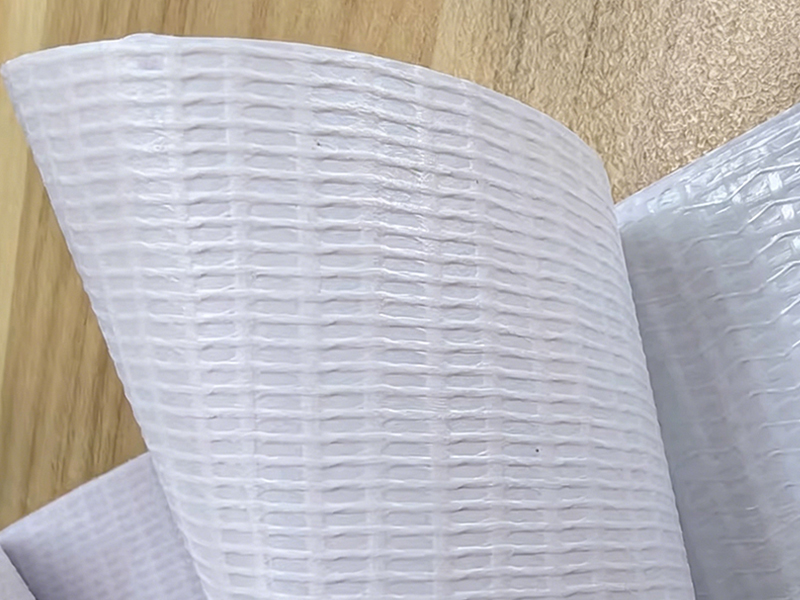
Constructed from high-grade polyvinyl chloride with polyester yarn reinforcement, these hoses offer a balance of flexibility and durability. They can withstand working pressures ranging from 4 to 10 bar, depending on the model, while remaining lightweight enough for easy manual handling. Their resistance to abrasion, chemicals, and UV radiation ensures a lifespan of 3-5 years under normal operating conditions.
Key Applications Across Industries
Agricultural Irrigation
Farmers rely on PVC layflat hoses for crop irrigation due to their ease of deployment across large fields. They connect easily to pump outlets and can be fitted with sprinklers or drip emitters. The smooth inner wall minimizes friction loss, ensuring consistent water pressure over long distances, often exceeding 100 meters without significant drop-off.
Construction Dewatering
In construction sites, removing groundwater or rainwater accumulation is critical. PVC layflat hoses handle muddy water and debris better than many alternatives due to their robust construction. They are commonly used with submersible pumps to discharge water from excavations, foundations, and trenches efficiently.
Emergency Flood Control
During flooding events, rapid deployment is crucial. Layflat hoses can be unrolled quickly to create temporary barriers or diversion channels. Their lightweight nature allows emergency teams to transport large lengths by hand or vehicle, providing immediate relief in disaster zones.
| Diameter (mm) | Working Pressure (Bar) | Burst Pressure (Bar) | Weight per Meter (kg) |
|---|---|---|---|
| 50 (2") | 6 | 18 | 0.25 |
| 75 (3") | 6 | 18 | 0.40 |
| 100 (4") | 8 | 24 | 0.60 |
| 150 (6") | 10 | 30 | 1.10 |
Installation and Operational Best Practices
Proper Unrolling Techniques
To prevent kinks and twists, unroll the hose straight along the intended path before connecting it to the water source. Avoid dragging the hose over sharp rocks or debris, which can puncture the PVC material. If the hose develops a twist, disconnect the water supply, straighten it manually, and reconnect.
Pressure Management
Always operate within the recommended working pressure limits. Sudden pressure surges, known as water hammer, can damage the hose structure. Install pressure relief valves or use soft-start pumps to mitigate this risk. Exceeding burst pressure even once can compromise the integrity of the polyester reinforcement layers.
Connection Security
Use compatible couplings and clamps designed for layflat hoses. Standard hose clamps may slip off due to the flat profile when depressurized. Specialized camlock or quick-connect fittings ensure a leak-free seal. Check connections regularly for wear and tighten as needed.
Maintenance and Storage Guidelines
Cleaning After Use
Flush the hose with clean water after each use to remove sediment, chemicals, or organic matter. For stubborn deposits, use a mild detergent solution and a soft brush. Avoid harsh solvents like acetone or gasoline, which can degrade the PVC material.
Drying and Storage
Allow the hose to dry completely before storing to prevent mold and mildew growth. Store in a cool, dry place away from direct sunlight and extreme temperatures. Rolling the hose loosely on a reel is preferred over folding, as repeated folding in the same spot can cause permanent creases and weak points.
Repairing Minor Damage
- Small Punctures: Use PVC repair tape or patch kits for holes under 5mm.
- Larger Tears: Cut out the damaged section and join the ends with a coupling.
- End Wear: Trim frayed ends and reattach couplings if necessary.
Environmental Considerations and Sustainability
Recyclability
PVC is a recyclable material, and many manufacturers offer take-back programs for old hoses. Proper disposal prevents environmental contamination and supports circular economy initiatives. Look for hoses labeled with recycling codes to ensure they can be processed correctly at end-of-life.
Chemical Safety
High-quality PVC layflat hoses are free from heavy metals like lead and cadmium. When used for potable water transfer, ensure the hose is certified as food-grade or compliant with local drinking water standards. Non-potable hoses should never be used for human consumption purposes.