
 English
 русский
 Français
 Español
Content
The Operational Advantage of Truck Side Curtains
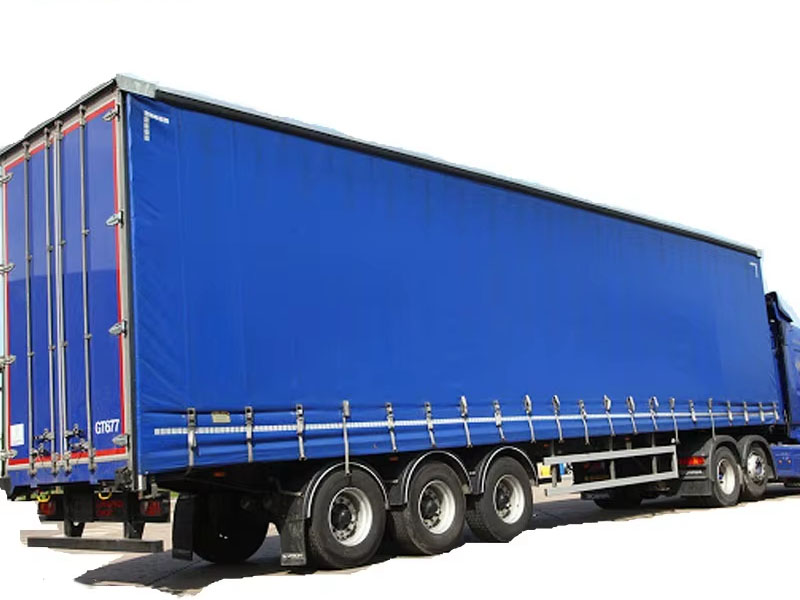
Truck side curtains, also known as curtain-siders or tautliners, represent a significant evolution in freight transport logistics. Unlike rigid box trailers, these systems combine the weather protection of a hard-sided vehicle with the accessibility of a flatbed. The primary conclusion for fleet operators is clear: side curtains reduce loading and unloading times by up to 30% while offering superior versatility for diverse cargo types.
By allowing access from both sides and the rear, side curtains eliminate the need for complex maneuvering in tight docking spaces. This flexibility is crucial for modern supply chains where speed and adaptability are paramount. Furthermore, the lightweight nature of curtain systems compared to steel bodies can lead to fuel savings of 5-10% due to reduced tare weight, directly impacting operational profitability.
Key Components and Mechanism Design
Understanding the anatomy of a truck side curtain system is essential for proper operation and maintenance. The system is engineered to withstand high wind loads and secure heavy cargo while remaining easy to manipulate.
The Curtain Fabric
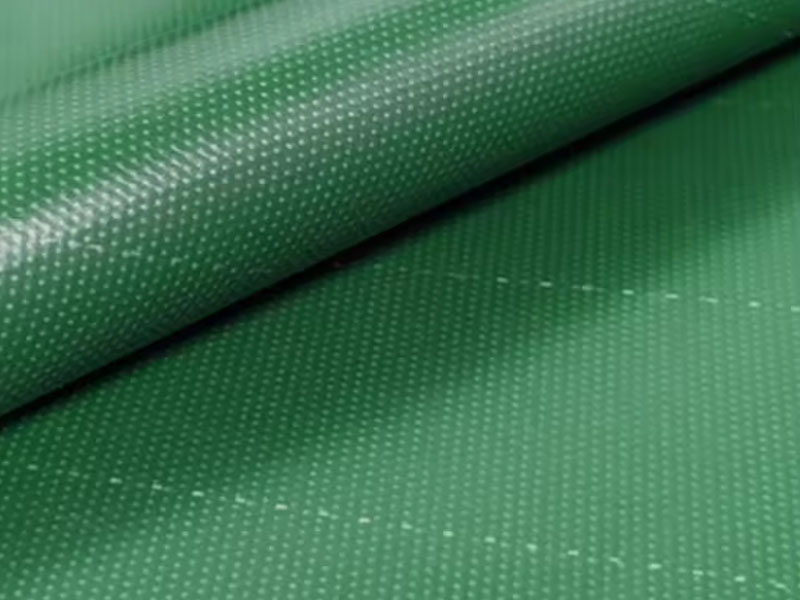
The core component is the heavy-duty PVC-coated polyester fabric. High-quality curtains typically have a tensile strength of 3,000 to 5,000 Newtons and are treated for UV resistance, fire retardancy, and mold prevention. The fabric is reinforced with vertical straps every 20-30 cm to distribute tension evenly across the trailer frame.
Sliding and Tensioning Systems
The curtain moves along an overhead rail using gliders or rollers. Modern systems often feature a "quick-release" mechanism that allows the driver to open the entire side in under two minutes. Tensioning is maintained by:
- Ratchet Straps: Located at the bottom edge, these secure the curtain to the trailer chassis.
- Spring-Loaded Bows: Internal arches that push against the fabric to keep it taut and prevent flapping during transit.
- Buckle Systems: Heavy-duty metal buckles that connect the curtain to the roof rail and floor track.
Frame and Roof Structure
While the sides are flexible, the roof and corner posts are usually made of aluminum or steel to provide structural integrity. The roof may be fixed or sliding, depending on the model. Aluminum frames are preferred for their corrosion resistance and light weight, contributing to higher payload capacity.
Security Features and Cargo Protection
A common concern regarding side curtains is security. However, modern designs incorporate robust features that make them nearly as secure as rigid box trailers.
Locking Mechanisms
Advanced locking systems integrate the curtain into the trailer's frame. Multi-point locking bars run vertically along the rear doors and horizontally along the top rail, preventing unauthorized access. Some systems feature internal locks that can only be opened from inside the trailer, adding an extra layer of security against theft.
Weatherproofing and Durability
High-quality side curtains are designed to be completely watertight. Overlapping flaps at the rear doors and sealed seams prevent rain ingress. The PVC coating is resistant to temperatures ranging from -30°C to +70°C, ensuring performance in extreme climates. Regular inspection of seals and fabric integrity is recommended to maintain this protection.
| Feature | Side Curtain | Box Trailer |
|---|---|---|
| Access Points | Sides & Rear | Rear Only |
| Locking Complexity | High (Multi-point) | Medium (Door Locks) |
| Visibility of Cargo | Low (Opaque Fabric) | None |
| Tamper Evidence | High (Tension Changes) | Medium |
Maintenance Best Practices for Longevity
Proper maintenance extends the life of truck side curtains and ensures safe operation. Neglect can lead to fabric tearing, mechanism failure, and compromised cargo safety.
Regular Cleaning and Inspection
Clean the curtain fabric regularly with mild soap and water to remove road grime, salt, and chemicals that can degrade the PVC coating. Inspect for:
- Tears or Punctures: Repair immediately using PVC patch kits to prevent water ingress and further tearing.
- Worn Gliders: Replace plastic or metal gliders if they show signs of cracking or excessive wear to ensure smooth operation.
- Loose Straps: Check ratchet straps and buckles for fraying or corrosion. Replace any compromised hardware.
Lubrication of Moving Parts
Apply silicone-based lubricant to the overhead rails and gliders every 3-6 months. Avoid grease-based lubricants as they attract dirt and debris, which can jam the mechanism. Ensure the tensioning bows are free from rust and move freely within their sleeves.
Storage During Downtime
If the trailer is unused for extended periods, partially open the curtains to allow air circulation and prevent mold growth. Store the vehicle in a shaded area if possible to minimize UV exposure, even though the fabric is UV-treated.
Cost Analysis and Return on Investment
Investing in truck side curtains involves balancing initial costs with long-term operational benefits. While the upfront price may be higher than basic flatbeds, the ROI is often realized within the first year of operation.
Initial Acquisition Costs
A new curtain-side trailer typically costs 10-15% more than a standard dry van but offers greater versatility. Retrofitting an existing flatbed with a curtain system can cost between $5,000 and $15,000, depending on the complexity and materials used.
Operational Savings
The primary financial benefits come from increased efficiency and reduced labor costs. Faster loading times mean more trips per week. Additionally, the ability to handle mixed loads (pallets, bulk, machinery) reduces the need for specialized trailers, optimizing fleet utilization. Fuel savings from lighter weight further enhance profitability, with potential annual savings of $1,000-$2,000 per truck depending on mileage.