
 English
 русский
 Français
 Español
Content
- 1 Introduction to PVC Tarpaulin Durability
- 2 How Thickness Impacts PVC Tarpaulin Performance
- 3 Common PVC Tarpaulin Thicknesses and Applications
- 4 Practical Tips for Choosing the Right Thickness
- 5 Comparison Table of PVC Tarpaulin Thicknesses
- 6 Maintenance Tips for Longer Lifespan
- 7 Conclusion: Selecting Durable PVC Tarpaulin
Introduction to PVC Tarpaulin Durability
PVC tarpaulins are widely used for outdoor covers, tents, industrial protection, and transportation due to their waterproof and durable properties. One of the most important factors influencing durability is thickness. Understanding how thickness affects strength, wear resistance, and longevity helps users select the right tarpaulin for specific applications.
How Thickness Impacts PVC Tarpaulin Performance
The thickness of PVC tarpaulin is directly linked to its mechanical properties. Thicker tarpaulins generally provide greater tensile strength, tear resistance, and puncture resistance. However, thicker materials may be heavier and less flexible, which can affect handling and installation.
Tensile Strength
Tensile strength measures the tarpaulin’s ability to withstand pulling forces without tearing. Thicker PVC sheets typically have higher tensile strength, making them suitable for applications where heavy loads or strong winds are common.
Tear Resistance
Tear resistance indicates how well the tarpaulin can resist rips or punctures. Thicker materials resist accidental tears better than thinner alternatives, reducing the risk of damage during handling or outdoor exposure.
Flexibility and Ease of Use
While thicker tarpaulins are stronger, they are often less flexible and more difficult to fold, roll, or transport. Choosing the right thickness involves balancing durability with practicality for installation and daily handling.
Common PVC Tarpaulin Thicknesses and Applications
PVC tarpaulins are manufactured in a variety of thicknesses, typically ranging from 0.18 mm to 1.0 mm or more. Each thickness level is suited to specific environments and usage requirements.
Lightweight Tarpaulins (0.18–0.3 mm)
Lightweight tarpaulins are ideal for temporary covers, promotional tents, and indoor uses. They are easy to handle and install, but less resistant to punctures and tearing. Frequent outdoor exposure may shorten their lifespan.
Medium-Weight Tarpaulins (0.4–0.6 mm)
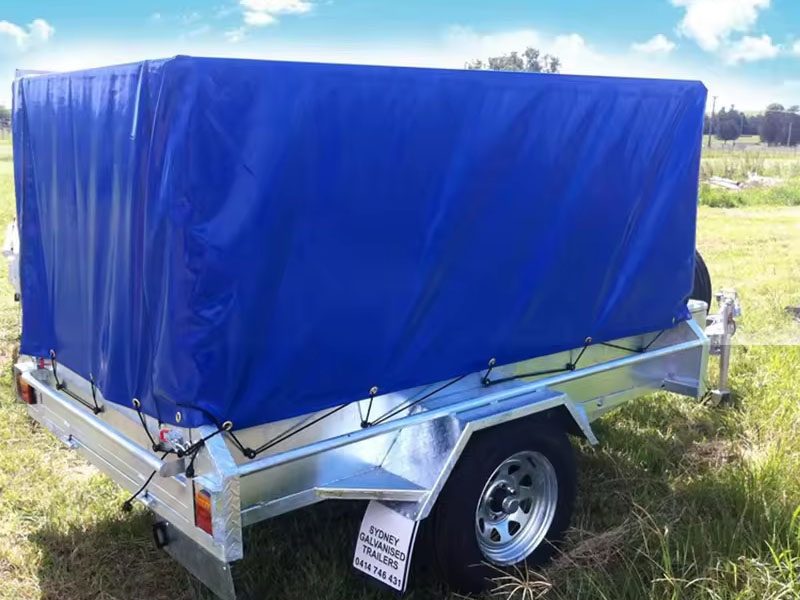
Medium-weight tarpaulins offer a balance between durability and flexibility. Suitable for outdoor storage covers, garden shelters, and truck covers, these tarpaulins withstand moderate wind and weather conditions while remaining manageable for handling.
Heavy-Duty Tarpaulins (0.7–1.0 mm)
Heavy-duty tarpaulins are designed for long-term use in harsh conditions, including industrial storage, construction sites, and heavy vehicle covers. Their thickness provides maximum tear resistance, puncture protection, and UV durability, though they are heavier and less flexible.
Practical Tips for Choosing the Right Thickness
Selecting the correct PVC tarpaulin thickness requires consideration of environmental conditions, load requirements, and ease of handling. Using the right thickness ensures longevity and cost-effectiveness.
- For temporary or indoor use, lighter tarpaulins (0.18–0.3 mm) are sufficient.
- For outdoor storage, medium-weight tarpaulins (0.4–0.6 mm) provide a good balance of durability and flexibility.
- For heavy-duty industrial applications, thick tarpaulins (0.7–1.0 mm) offer maximum protection against tearing, punctures, and weather exposure.
- Consider UV protection, waterproof coating, and reinforcement at corners or edges for longer life.
- Factor in handling and transport—thicker tarpaulins may require more effort to fold, move, and secure.
Comparison Table of PVC Tarpaulin Thicknesses
| Thickness (mm) | Typical Use | Tensile Strength | Flexibility | Durability |
| 0.18–0.3 | Indoor, temporary covers | Low | High | Moderate |
| 0.4–0.6 | Outdoor, storage, garden | Medium | Medium | Good |
| 0.7–1.0 | Industrial, heavy-duty | High | Low | Excellent |
Maintenance Tips for Longer Lifespan
Even the thickest PVC tarpaulins require proper maintenance to maximize durability. Regular cleaning, careful folding, and storage away from direct sunlight or sharp objects help prevent premature wear and extend service life.
Cleaning and Storage
Use mild soap and water to remove dirt and debris. Avoid abrasive cleaners that may damage the PVC surface. When storing, fold neatly and avoid placing heavy objects on top to prevent creasing or deformation.
Handling During Use
When installing tarpaulins, avoid dragging over rough surfaces to reduce scratches and tears. Reinforce corners and edges with ropes or straps to distribute tension evenly and protect the material.
Conclusion: Selecting Durable PVC Tarpaulin
Durability of PVC tarpaulins largely depends on thickness. Thicker materials provide higher tensile strength, better tear resistance, and longer lifespan, but may reduce flexibility. Users should balance durability, handling, and application needs to choose the right tarpaulin thickness, ensuring cost-effective and long-lasting performance in their projects.