
 English
 русский
 Français
 Español
Content
- 1 The Direct Answer: PVC Is Waterproof, Polyester Is Not — But It's More Complicated Than That
- 2 What PVC and Polyester Actually Are
- 3 PVC vs Polyester: Side-by-Side Comparison
- 4 Is PVC Truly Waterproof? Understanding Its Limits
- 5 Why PVC-Coated Polyester Outperforms Both in Heavy-Duty Applications
- 6 Where Each Material Makes More Sense
- 7 Polyester with PU Coating: A Lighter Alternative to PVC
- 8 Environmental Considerations
The Direct Answer: PVC Is Waterproof, Polyester Is Not — But It's More Complicated Than That
PVC (polyvinyl chloride) is inherently waterproof. Water cannot pass through a solid PVC sheet or coating because it has no fiber structure — it's a continuous plastic film with no pores or weave gaps. Polyester, on the other hand, is a woven or knitted fabric by nature, which means it is not waterproof on its own. However, polyester is frequently coated or laminated with PVC, polyurethane (PU), or other waterproof layers to achieve water resistance or full waterproofing.
So when you're comparing PVC vs polyester, the real question is usually: pure PVC material versus PVC-coated polyester — two very different products that are often confused. Understanding both helps you choose the right material for tarps, bags, outdoor gear, awnings, and similar applications.
What PVC and Polyester Actually Are
PVC: A Solid Plastic Film
PVC is a synthetic plastic polymer. In material and fabric applications, it typically appears as a flexible sheet or coating — think vinyl raincoats, pool liners, or PVC tarpaulins. Because it has no fiber weave, there are no gaps for water to penetrate. It is also resistant to oils, most chemicals, and UV degradation (especially when stabilized). Standard PVC sheeting can withstand continuous water exposure indefinitely without absorbing moisture.
Polyester: A Woven Synthetic Fiber
Polyester is a synthetic textile fiber made from polyethylene terephthalate (PET). It's woven or knitted into fabric, which by definition creates microscopic gaps between fibers. Raw polyester resists moisture better than natural fibers like cotton — it absorbs less than 0.4% of its weight in water — but it is not waterproof. Water will eventually pass through an untreated polyester weave under pressure or prolonged exposure. Its value lies in strength-to-weight ratio, flexibility, and its ability to accept coatings that make it genuinely waterproof.
PVC vs Polyester: Side-by-Side Comparison
| Property | PVC | Polyester (Uncoated) | PVC-Coated Polyester |
|---|---|---|---|
| Waterproof | Yes | No | Yes |
| Tensile Strength | Moderate | High | Very High |
| Weight | Heavy | Light | Medium–Heavy |
| Flexibility in Cold | Stiffens / cracks | Remains flexible | Moderate |
| UV Resistance | Good (stabilized) | Moderate | Good |
| Tear Resistance | Moderate | High | Very High |
| Chemical Resistance | Excellent | Moderate | Good–Excellent |
| Breathability | None | Yes | None |
| Environmental Impact | High (non-recyclable easily) | Moderate | High |
| Cost | Low–Moderate | Low | Moderate–High |
Is PVC Truly Waterproof? Understanding Its Limits
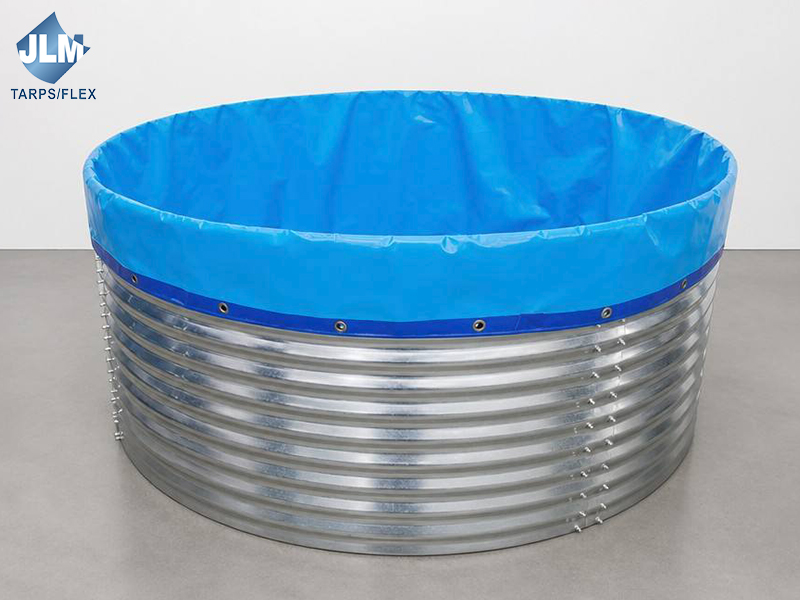
Yes — pure PVC is waterproof by its physical nature. It does not absorb water, and a continuous PVC sheet has no path for water to travel through. This makes it the material of choice for pool liners, pond liners, waterproof boots, and industrial containment applications where zero water infiltration is required.
However, PVC has a meaningful weakness: cold temperatures make it brittle. Standard flexible PVC begins stiffening around 32°F (0°C) and can crack under stress below that threshold. In contrast, polyester retains its flexibility well below freezing. This is why PVC-only tarps sometimes fail in winter conditions — the material cracks at grommets or fold lines rather than leaking through the surface itself.
UV exposure also degrades PVC over time unless it is stabilized with additives. Unstabilized PVC can become discolored, brittle, and prone to cracking after 3–5 years of continuous outdoor use.
Why PVC-Coated Polyester Outperforms Both in Heavy-Duty Applications
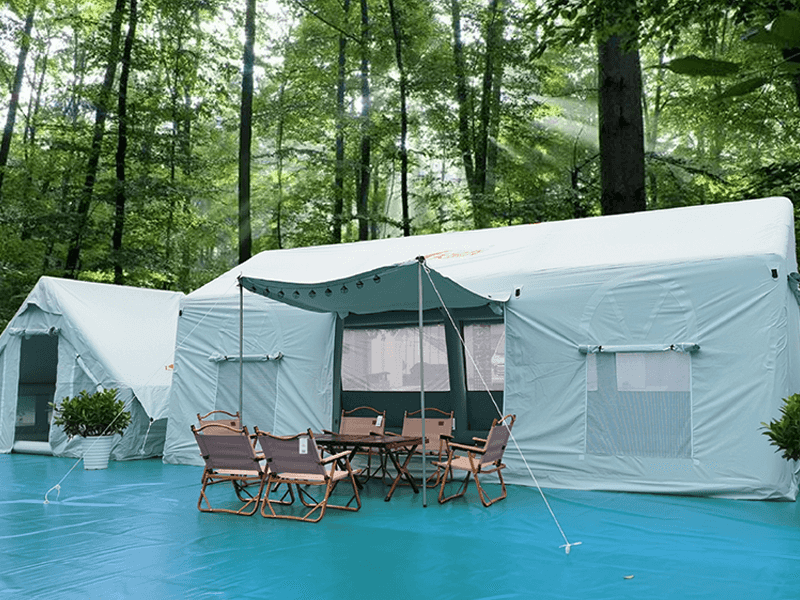
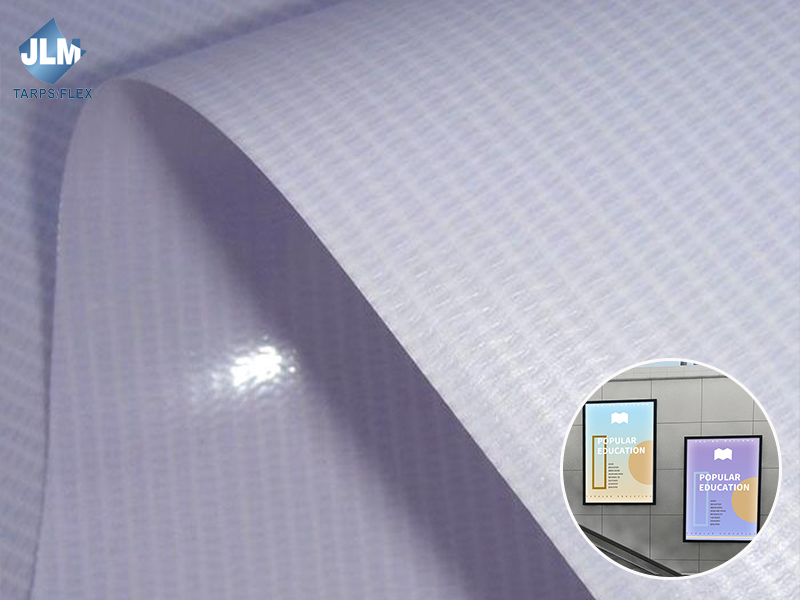
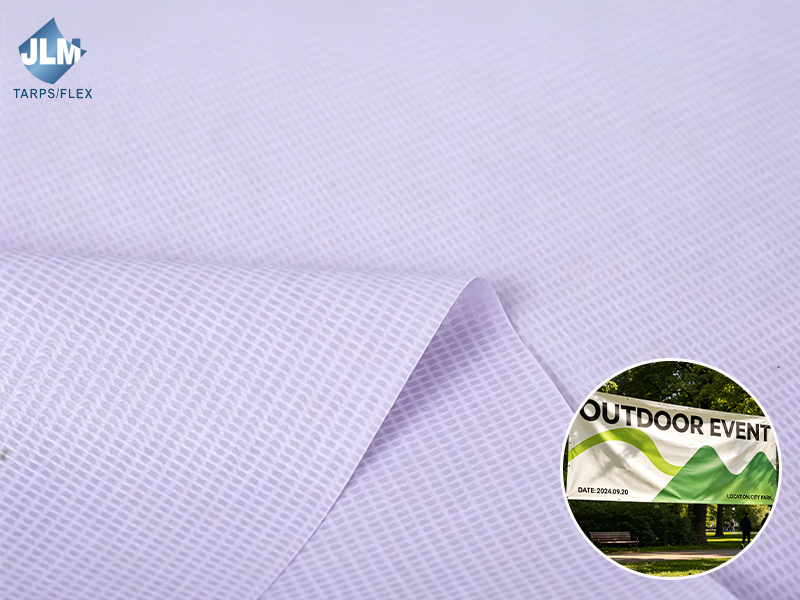
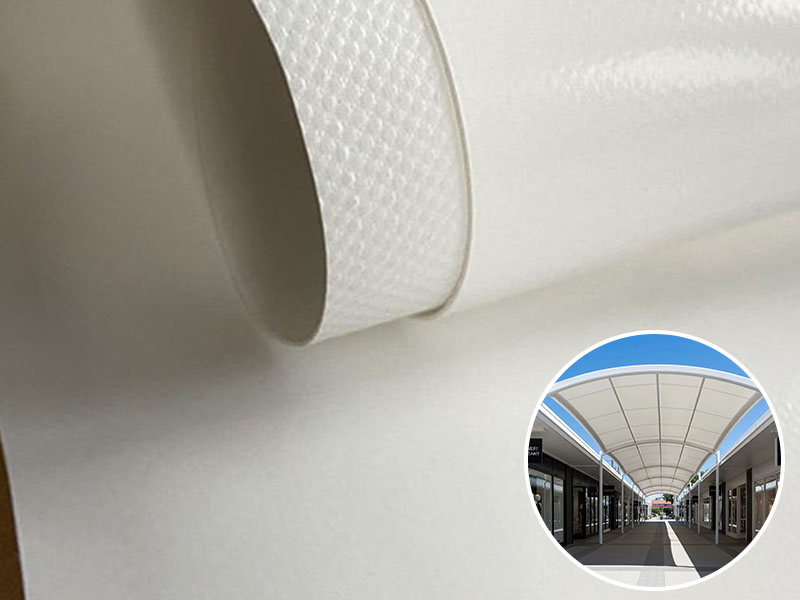
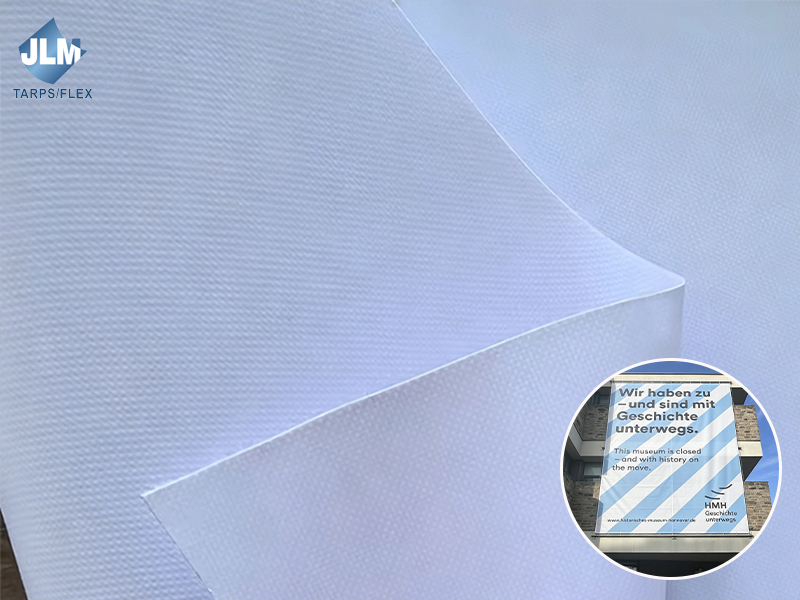
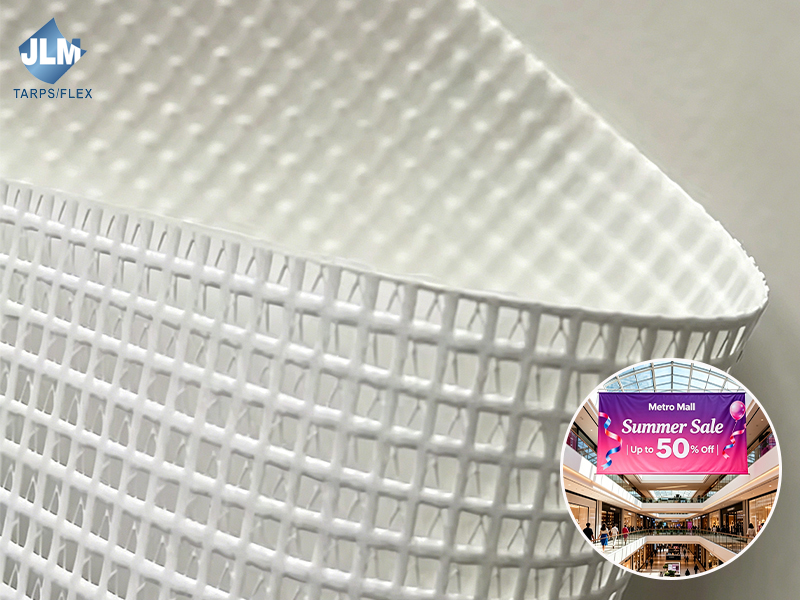
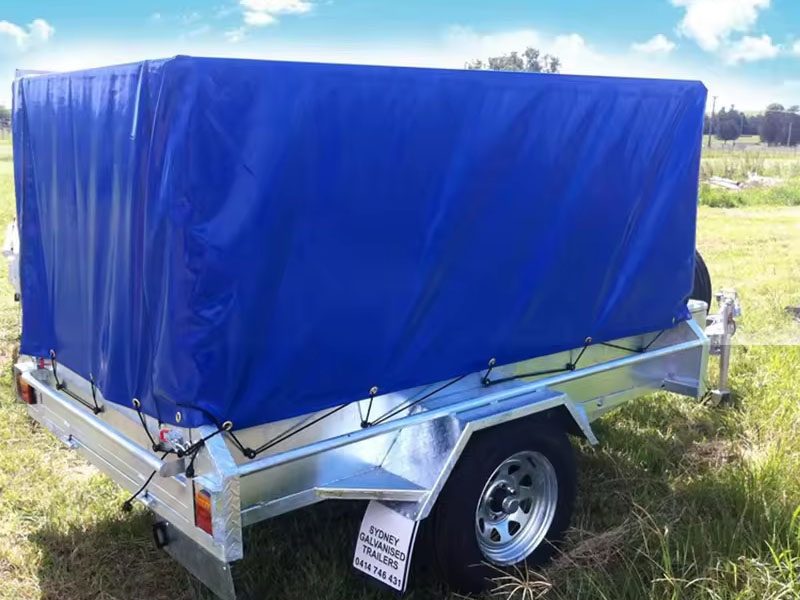
The most commonly used material in commercial tarps, truck covers, tents, and outdoor banners is neither pure PVC nor raw polyester — it's PVC-coated polyester, which combines the waterproofing of PVC with the structural strength of polyester fabric.
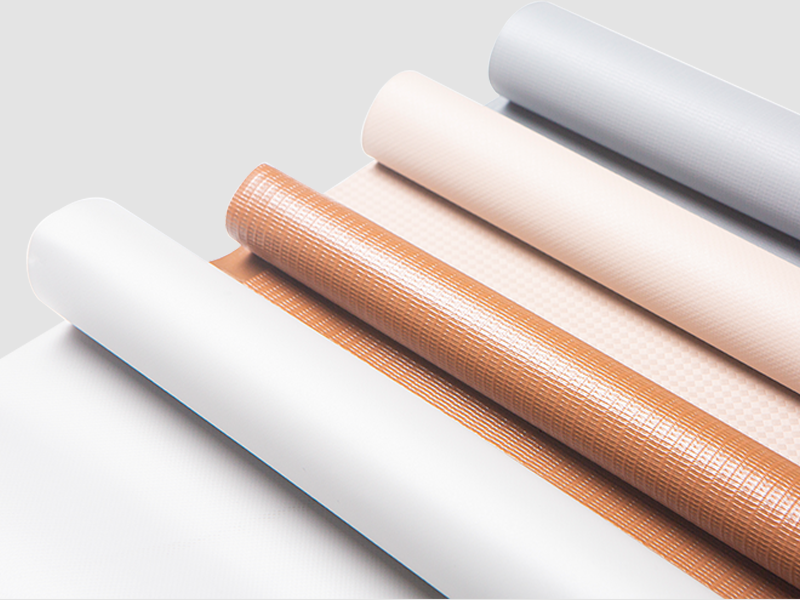
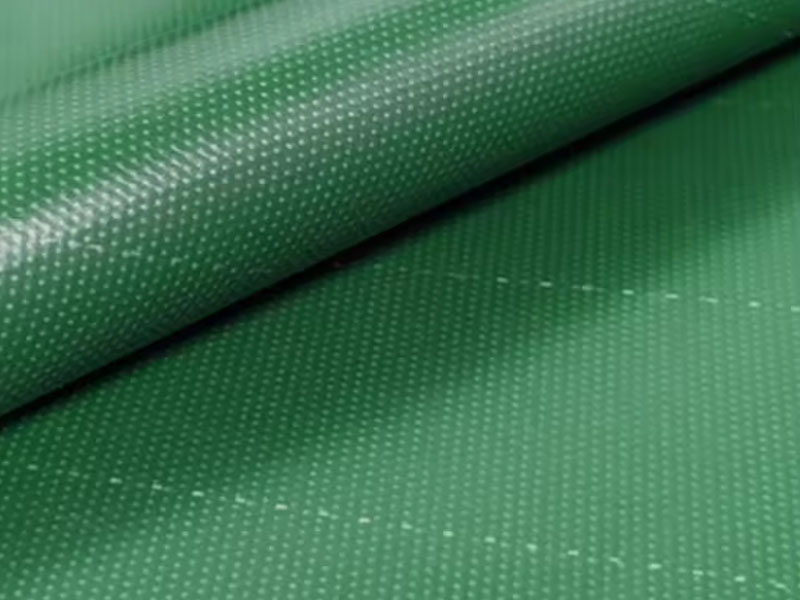
In this construction, a polyester woven base (often 500D to 1000D denier) is laminated or coated on both sides with PVC. The polyester scrim prevents tearing and distributes stress across the surface, while the PVC coating seals it completely against moisture. The result is a material that can handle tensile forces exceeding 3,000 N/5cm in high-grade versions while remaining fully waterproof — something neither material achieves alone.
Heavy-duty truck tarps, stadium canopies, and marine covers almost universally use PVC-coated polyester for this reason. A 650 gsm (grams per square meter) PVC-coated tarpaulin, for example, provides far greater tear strength and longevity than a same-weight pure PVC sheet.
Where Each Material Makes More Sense
Choose Pure PVC When:
- You need complete waterproofing with no stitching or seams (pool liners, pond liners, vapor barriers)
- Chemical resistance is a priority (industrial containment, lab surfaces)
- The application stays in a controlled, moderate-temperature environment
- Cost is a primary concern and strength requirements are low
Choose Uncoated Polyester When:
- Breathability matters — clothing, athletic wear, lightweight outdoor gear
- Weight is critical and conditions are mild (light rain covers, non-waterproof bags)
- The fabric needs to remain soft and flexible across a wide temperature range
Choose PVC-Coated Polyester When:
- You need genuine waterproofing combined with high tear and tensile strength
- The material will face mechanical stress — grommets, load pressure, wind flutter
- Long-term outdoor exposure is expected (tarps, awnings, truck covers, boat covers)
- The application involves both weather and abrasion (construction site covers, agricultural storage)
Polyester with PU Coating: A Lighter Alternative to PVC
Not all waterproof polyester uses PVC as its coating. Polyurethane (PU)-coated polyester is widely used in outdoor apparel, lightweight tents, and backpacking gear where weight matters more than extreme durability. A PU-coated polyester fabric with a hydrostatic head rating of 1,500mm or above is considered waterproof for most outdoor purposes; high-performance jackets often reach 10,000mm or more.
Compared to PVC-coated polyester, PU-coated versions are lighter, softer, and more breathable — but less resistant to abrasion, chemicals, and long-term UV exposure. For heavy industrial or commercial applications, PVC coating remains the superior choice. For wearable outdoor gear and lightweight covers, PU-coated polyester is often the better fit.
Environmental Considerations
Both PVC and polyester raise environmental concerns, but PVC carries a higher impact. PVC production involves chlorine-based chemistry, and the material is difficult to recycle — most PVC ends up in landfill. It also contains plasticizers (typically phthalates) that can leach over time, raising health and ecological concerns in certain applications.
Polyester has a lower production footprint than PVC and is increasingly available in recycled forms (rPET, made from plastic bottles). However, polyester sheds microplastics during washing — an issue that PVC sheets, not being laundered, largely avoid.
If environmental impact is a priority, recycled polyester with PU coating is currently the most sustainable waterproof fabric option available at commercial scale, particularly for gear and apparel. For industrial applications where longevity reduces replacement frequency, high-quality PVC-coated polyester may have a lower lifetime environmental cost despite its heavier production footprint.