
 English
 русский
 Français
 Español
Vinyl Tarp and PVC Tarp: Same Material, Different Names?
Walk into any industrial supply catalog and you will find "vinyl tarps" and "PVC tarps" listed as separate products — sometimes at different price points, sometimes with different technical specs. The natural assumption is that they are made from different materials. In most cases, they are not.
The vast majority of products sold as vinyl tarps are made from PVC (polyvinyl chloride) coated or laminated fabric. The terms have become so interchangeable in the tarpaulin industry that even experienced procurement buyers use them without distinction. That said, understanding the nuances between the two labels — and the real performance variables that sit beneath them — can save you from costly specification errors on high-stakes projects.
Content
What Makes a Tarp "Vinyl"?
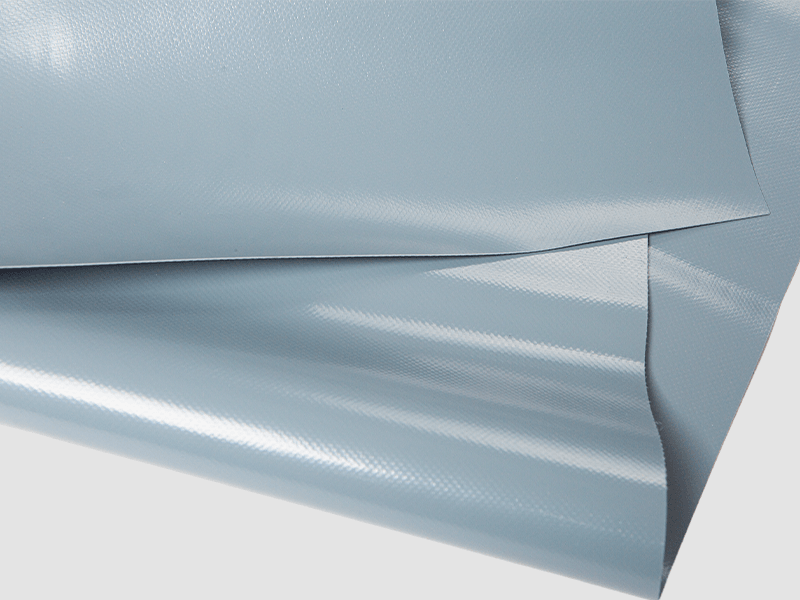
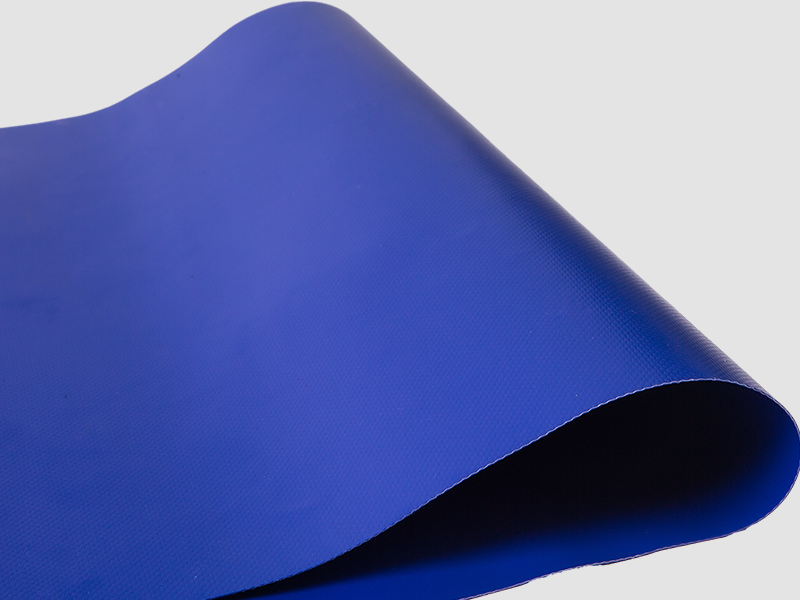
Calling a tarp "vinyl" is a commercial description more than a chemical one. It signals that the cover is made from a synthetic polymer — as opposed to canvas, polyethylene (PE), or polypropylene (PP) — and that it is designed to be durable, water-resistant, and relatively flexible in a range of temperatures.
Vinyl tarps marketed under that name often emphasize surface finish qualities: they tend to be smoother, lighter in weight, and more pliable than heavy-duty industrial alternatives. Common applications include agricultural ground covers, temporary event canopies, light freight protection, and decorative or signage applications where printability matters.
The word "vinyl" in this context reassures buyers that the product is not a flimsy PE poly tarp, but a more substantial synthetic cover. It says very little about the specific polymer compound, additive package, or structural reinforcement inside the product.
What Makes a Tarp "PVC"?
When a tarp is explicitly labeled "PVC," manufacturers are typically pointing to the material's specific chemical composition and, by extension, its engineered performance profile. PVC tarpaulins are built around polyvinyl chloride resin — a thermoplastic that, when combined with the right additives, produces a material with exceptional resistance to water, abrasion, chemicals, UV radiation, and mechanical stress. For a deeper look at how PVC resin is polymerized and compounded, this reference on PVC polymer chemistry and production covers the fundamentals clearly.
Most PVC tarps are composite structures: a woven polyester or high-tenacity yarn base fabric is sandwiched between or coated with PVC compound on one or both faces. The result is a fabric that combines the tensile strength of the woven substrate with the barrier and weathering properties of the PVC surface. Weight (gsm), denier count, and coating thickness are the key specs buyers should evaluate — these numbers tell the real performance story.
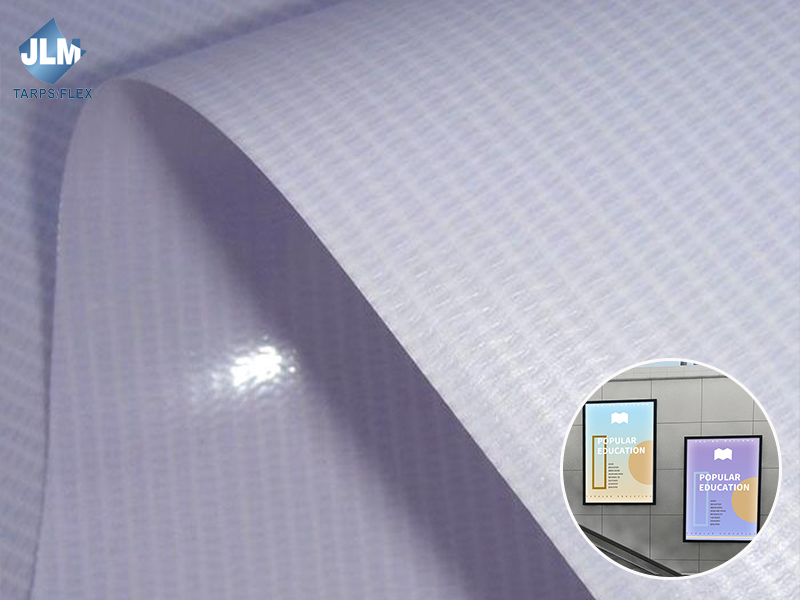
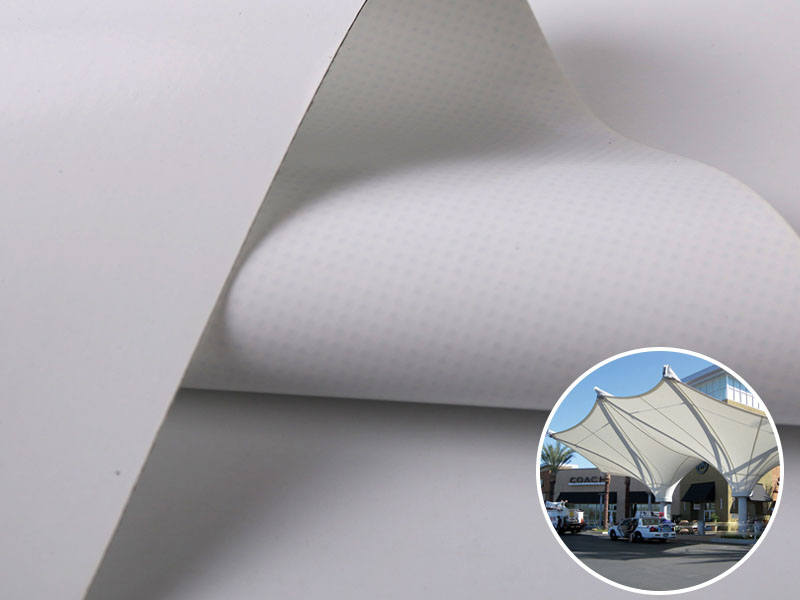
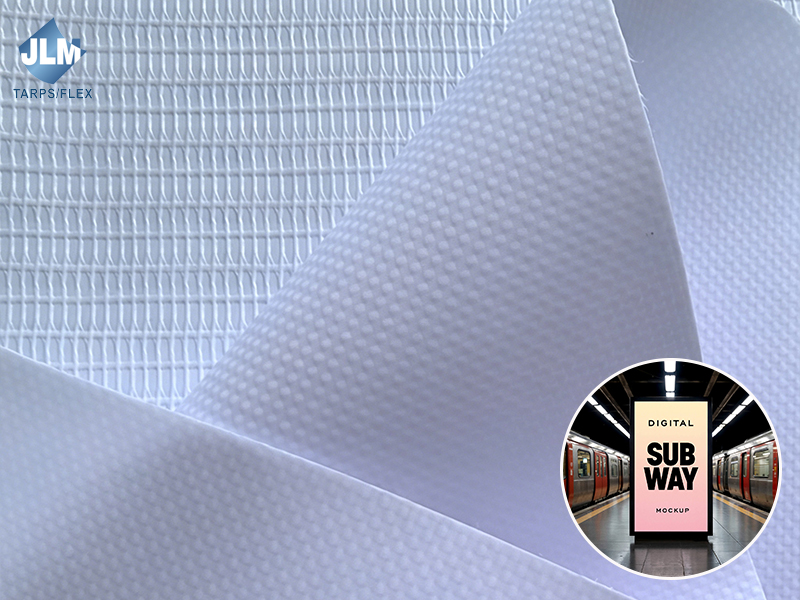
PVC tarpaulins cover an enormous range of applications: construction site enclosures, truck curtains, cargo covers, tensile membrane structures, water storage bladders, and large-format advertising banners. The material's adaptability comes from the ability to adjust the PVC formulation — varying plasticizer content, stabilizer type, and additive package — for each specific end use.
Vinyl Tarp vs PVC Tarp: A Side-by-Side Comparison
The differences that actually matter in practice come down to construction quality, formulation, and intended use — not the label on the product page. Here is how the two typically compare when evaluated on real performance criteria:
| Criteria | Vinyl Tarp (general label) | PVC Tarp (specified compound) |
|---|---|---|
| Material base | Usually PVC; sometimes other vinyl polymers | Polyvinyl chloride with defined additive package |
| Weight range | Typically lighter (200–500 gsm) | Wide range (350–1,300+ gsm) |
| Tear resistance | Good for light-duty use | Excellent in heavy-duty grades |
| Waterproofing | Water-resistant to waterproof | Fully waterproof across all grades |
| UV resistance | Moderate; depends on formulation | High; UV inhibitors standard in quality grades |
| Temperature range | Moderate (-10°C to +60°C typical) | Wide (-30°C to +70°C in quality compounds) |
| Flame retardancy | Rarely certified | Available in FR-rated grades |
| Typical service life | 1–5 years depending on use | 5–15+ years in industrial grades |
| Cost | Lower upfront | Higher upfront, lower cost per year of use |
For a deeper look at how PVC tarps stack up against other materials — including PE, canvas, and TPU fabrics — the comparison guide on comparing PVC tarpaulin with other materials is a useful reference before you finalize specifications.
When to Choose a Vinyl Tarp
Vinyl tarps in the lighter, more economical range are well suited to applications where weight, flexibility, and cost efficiency take priority over maximum durability. These scenarios include:
- Seasonal agricultural coverage where tarps are removed and stored during off-periods
- Indoor trade show or event enclosures with controlled environments
- Light freight protection for short-haul transport or temporary storage
- Decorative or aesthetic applications where smooth surface finish matters more than tensile strength
- Short-term construction weatherproofing during building phases
In these contexts, a mid-weight vinyl tarp — 300 to 500 gsm, with a smooth PVC surface and basic UV resistance — delivers strong value without the cost of a heavy industrial specification.
When to Choose a PVC Tarp
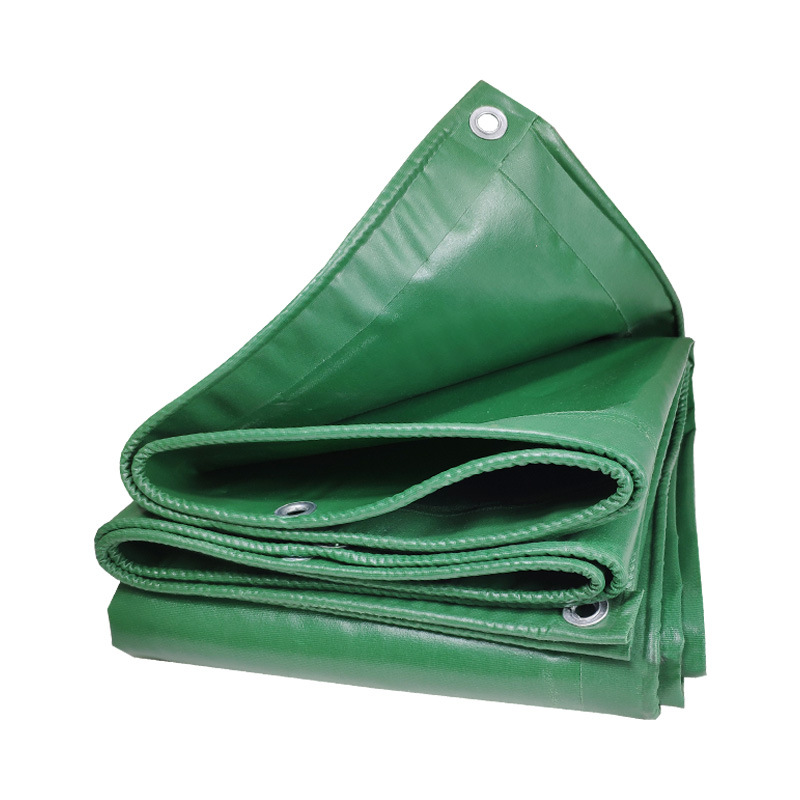
Heavy-duty PVC tarpaulins are the right call whenever the cover will face sustained mechanical stress, prolonged UV exposure, extreme weather cycles, or contact with chemicals and fuel. Long-term outdoor use is the primary trigger.
Specific applications where industrial-grade PVC consistently outperforms lighter alternatives include:
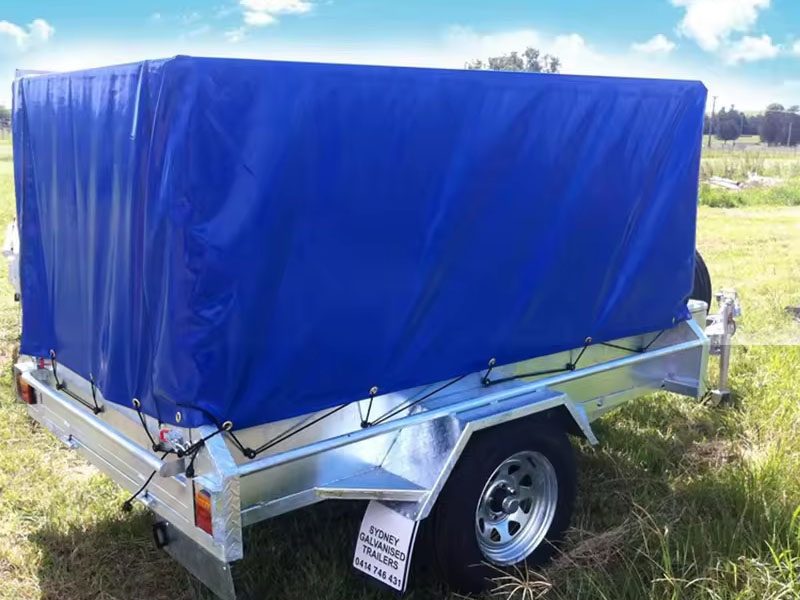
- Open-air freight covers and side curtains on trucks and trailers, where abrasion from cargo loading cycles is constant
- Long-term construction site enclosures and scaffold sheeting exposed to wind, rain, and solar radiation for months at a time
- Tensile membrane structures for semi-permanent canopies, sports facilities, or industrial shelters
- Water storage bladders and liquid containment applications where material integrity is safety-critical
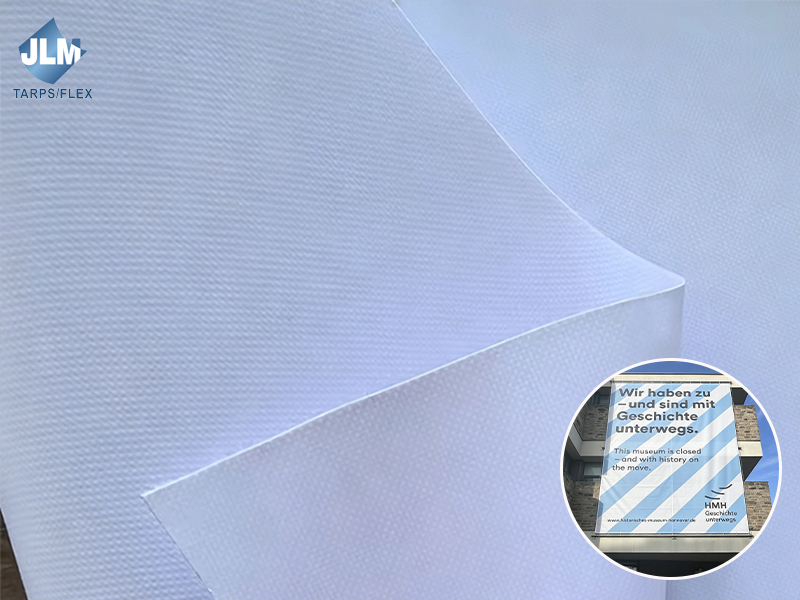
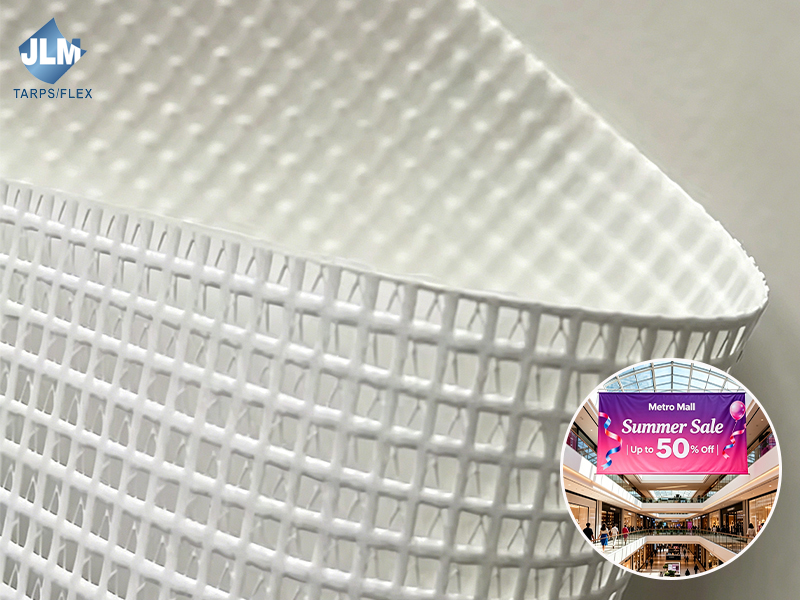
- Advertising banners and print media requiring dimensional stability and ink adhesion over multi-year outdoor campaigns
For cargo transport and logistics applications, truck tarps and cargo cover solutions built from heavy-duty PVC compound offer the abrasion and tear resistance that vinyl-labeled alternatives often cannot sustain. For bulk fabric procurement, PVC laminated tarpaulin for heavy-duty outdoor coverage provides a robust laminated construction suited to the most demanding exposure conditions.
Tips for Buying the Right Tarp
Whatever label appears on the product — vinyl, PVC, or both — the buying decision should always be driven by performance data, not nomenclature. Here are four questions worth asking before placing any order:
- What is the gsm and base fabric denier? These two numbers are the fastest shortcut to evaluating tarp quality. A 650 gsm tarp with 1,000D polyester base will outperform a 300 gsm product with a 500D base in virtually every demanding scenario.
- Does the PVC compound include UV inhibitors and heat stabilizers? Without these additives, even a heavy PVC tarp will degrade rapidly under sustained sun exposure.
- Is a flame retardancy certification required? Construction, event, and public-space applications often carry legal requirements for FR-rated materials. Confirm compliance before purchase.
- What warranty or performance guarantee does the manufacturer offer? A credible manufacturer of industrial PVC tarpaulin will stand behind the expected service life of their product.
If you are still weighing the choice between canvas and synthetic covers, the practical guide on how to choose canvas and vinyl covers lays out the trade-offs clearly. And for a full breakdown of what to look for before buying, the overview of important features to look for in a tarp covers every variable worth evaluating.
In the end, the distinction between a "vinyl tarp" and a "PVC tarp" matters far less than understanding the spec sheet behind whichever product you are considering. Get the numbers right, and the label becomes irrelevant.