
 English
 русский
 Français
 Español
Content
- 1 What Is a Flexible PVC Sheet? Material Science and Core Properties
- 2 Key Performance Characteristics of Industrial-Grade Flexible PVC Sheet
- 3 Flexible PVC Sheet vs. PVC Coated Fabric: Understanding the Difference
- 4 Thickness, Weight, and Specification Guide for Flexible PVC Sheet
- 5 Major Industrial Applications of Flexible PVC Sheet
- 6 Sourcing Flexible PVC Sheet: What B2B Buyers Should Evaluate
What Is a Flexible PVC Sheet? Material Science and Core Properties
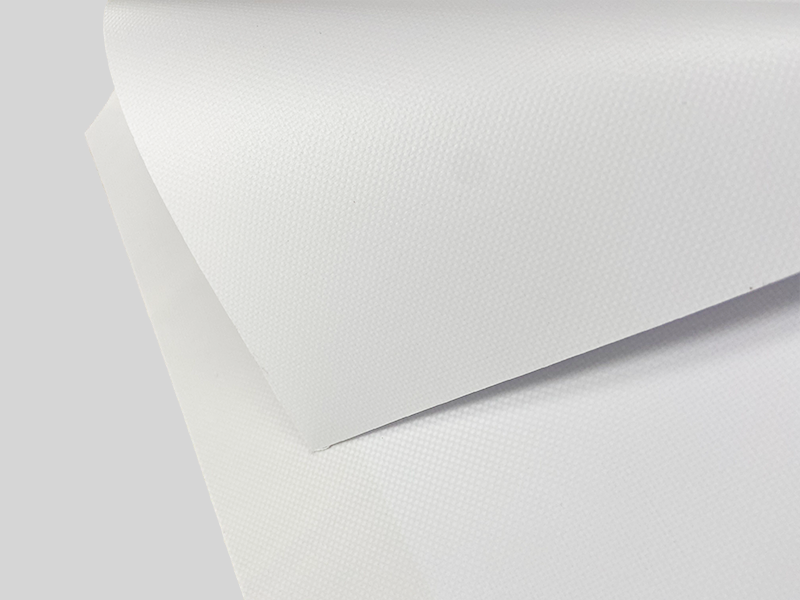
Flexible PVC sheet is a category of polyvinyl chloride material engineered to remain pliable, bendable, and conformable at ambient temperatures — in direct contrast to rigid PVC, which maintains a fixed shape under normal conditions. The key distinction between the two lies not in the base polymer, but in the additives compounded into the formulation. Plasticizers — typically phthalate-based or non-phthalate alternatives such as DINP or DOTP — are blended into the PVC resin during manufacturing, interrupting the polymer chains and reducing intermolecular forces to produce a material that bends, rolls, and stretches without cracking or fracturing.
The resulting material occupies a unique position in the plastics landscape: it retains PVC's inherent chemical resistance, flame retardancy, and dimensional stability while adding the workability and formability of an elastomeric sheet. Flexible PVC sheets can be manufactured across an exceptionally wide hardness range — from soft, transparent film as thin as 0.1 mm to heavy industrial sheeting of 3 mm or more — making it one of the most specification-versatile materials available to industrial designers and procurement engineers.
The base PVC resin itself is approximately 57% chlorine by mass, which is responsible for the material's inherent flame resistance and chemical barrier properties. These characteristics remain largely intact regardless of the plasticizer loading, making even soft flexible PVC grades substantially more resistant to fire and chemical attack than comparable flexible materials such as polyethylene or polypropylene film.
Key Performance Characteristics of Industrial-Grade Flexible PVC Sheet
Industrial applications demand consistent, verifiable performance across a defined set of material properties. The following characteristics define the performance envelope of flexible PVC sheet and determine its suitability for specific use cases.
- Waterproofing and Moisture Resistance: Flexible PVC sheet is inherently non-porous, with water absorption rates typically below 0.5% by weight under prolonged immersion. Its dense polymer structure prevents moisture ingress at the molecular level, making it a reliable barrier material for wet environments, outdoor covers, and liquid containment applications. For a detailed analysis of how thickness and formulation affect waterproof performance, see our article on flexible plastic sheet waterproof performance.
- UV and Weathering Resistance: Standard flexible PVC sheet degrades under prolonged UV exposure without stabilization — plasticizers migrate from the surface, causing the material to stiffen, discolor, and eventually crack. UV-stabilized grades incorporate light stabilizers and absorbers that extend outdoor service life substantially, with quality-grade formulations rated for five or more years of continuous outdoor exposure depending on climate and intensity.
- Flame Retardancy: The high chlorine content of PVC confers natural flame retardancy. Industrial-grade flexible PVC sheets typically meet international fire standards including UL 94 V-0, EN 13501, and DIN 4102-B1 without requiring additional flame retardant additives, making them a preferred material in transportation, construction, and public venue applications where fire safety is mandated.
- Chemical and Oil Resistance: Flexible PVC sheet resists a broad range of chemicals including dilute acids, alkalis, alcohols, and many solvents. It is particularly resistant to oils and greases, which makes it suitable for industrial machine covers, workshop curtains, and agriculture liners where chemical contamination is a routine operating condition.
- Temperature Range: Standard flexible PVC sheet operates reliably between approximately −10°C and +60°C. Below the lower threshold, plasticizer-induced flexibility diminishes and the sheet may become brittle; above the upper limit, the material begins to soften progressively. Cold-flexible formulations incorporating specific plasticizer systems can extend the lower limit to −30°C or below for arctic and refrigeration applications. For a detailed breakdown of PVC thermal behavior, refer to our PVC heat resistance guide.
Flexible PVC Sheet vs. PVC Coated Fabric: Understanding the Difference
A common point of confusion in industrial procurement is the distinction between unreinforced flexible PVC sheet and PVC-coated fabric — two materials that share a base polymer but differ fundamentally in mechanical structure and performance profile.
Unreinforced flexible PVC sheet is a homogeneous film or slab of plasticized PVC compound with no internal reinforcement layer. Its mechanical properties — tensile strength, tear resistance, elongation at break — are determined entirely by the polymer formulation and sheet thickness. Unreinforced sheets are typically used in applications where conformability, optical clarity, or surface smoothness is prioritized over maximum tensile strength: strip curtains, machine guards, pool liners, chemical containment, and packaging film all fall into this category.
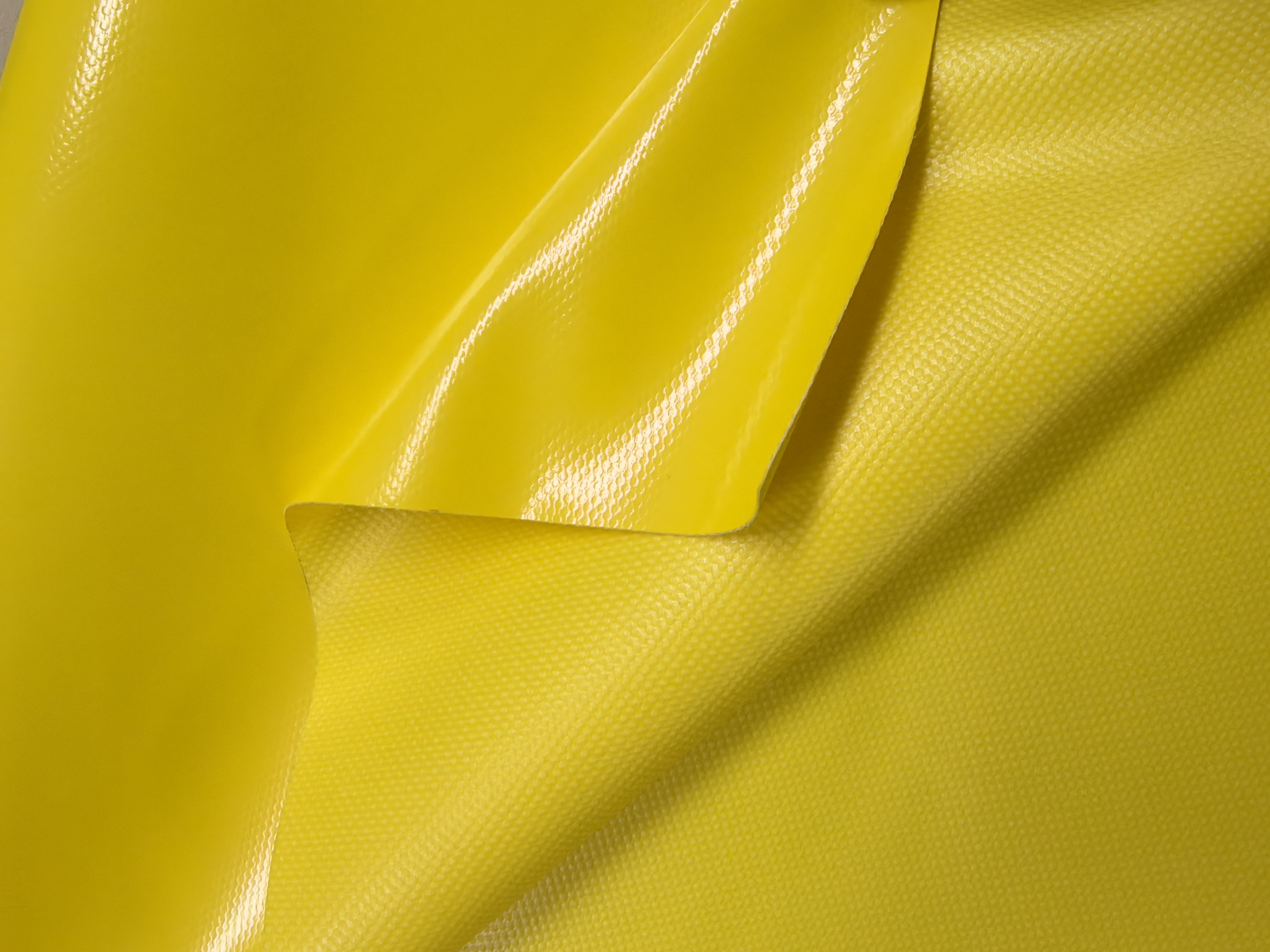
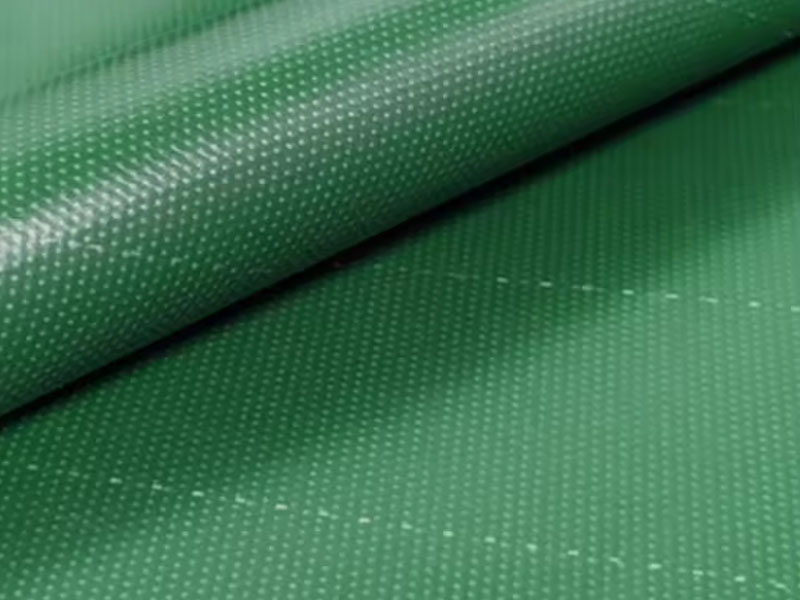
PVC-coated fabric, by contrast, is a composite material in which a woven or knitted base fabric — most commonly high-tenacity polyester — is encapsulated on one or both sides with a PVC compound. The textile reinforcement dramatically increases tensile strength and tear resistance beyond what any homogeneous PVC sheet of comparable weight can achieve. This is the material class used in truck tarpaulins, industrial tents, inflatable structures, and heavy-duty covers. For a comprehensive overview of how this composite structure performs across industries, see our article on PVC coated tarpaulin applications, which covers the primary use cases in detail.
Choosing between the two formats comes down to a straightforward question: does the application require primarily a barrier function (waterproofing, chemical resistance, transparency), or does it require a load-bearing function (resistance to tearing, wind loading, mechanical stress)? Barrier applications favor unreinforced flexible PVC sheet; structural and load-bearing applications favor PVC-coated fabric. Understanding this distinction — explored further in our comparison of PVC tarpaulin vs other materials — prevents costly specification errors at the procurement stage.
| Property | Flexible PVC Sheet (Unreinforced) | PVC Coated Fabric (Reinforced) |
|---|---|---|
| Tensile strength | Low to moderate (polymer-dependent) | High (fabric reinforcement) |
| Tear resistance | Moderate | Very high |
| Optical clarity | Transparent grades available | Opaque (fabric base) |
| Weight range | 50–800 g/m² | 300–1,500+ g/m² |
| Primary use case | Curtains, liners, barriers, packaging | Tarps, tents, inflatable structures |
| Weldability | Excellent (HF or heat welding) | Excellent (HF or hot air welding) |
Thickness, Weight, and Specification Guide for Flexible PVC Sheet
Selecting the correct thickness and formulation for a flexible PVC sheet application is one of the most consequential decisions in the procurement process. An undersized sheet will fail prematurely under mechanical or environmental stress; an oversized specification adds unnecessary cost, weight, and processing complexity.
The industry conventionally describes flexible PVC sheet by two parameters: thickness in millimeters and weight in grams per square meter (GSM). For a given formulation, these values are directly related, but density differences between formulations mean that GSM alone cannot define thickness — both should be specified in technical documents.
- 0.1–0.3 mm (approx. 100–350 GSM): Ultra-thin transparent film grades. Used for packaging, document protection, window inserts, and light-duty moisture barriers. Not suitable for outdoor or mechanical stress applications.
- 0.3–0.8 mm (approx. 350–900 GSM): Mid-range film and light sheet grades. Suitable for PVC strip curtains in refrigeration doorways, industrial machine guards, agricultural cloches, and light conveyor strip applications.
- 0.8–2.0 mm (approx. 900–2,200 GSM): Standard industrial sheet grades. The most widely specified range for PVC door strips, swimming pool liners, chemical containment bunds, and general industrial curtaining. Balances flexibility with meaningful puncture resistance.
- 2.0–3.0 mm and above (2,200+ GSM): Heavy industrial sheet grades. Used for dam liners, fish pond liners, heavy-duty machine guards, and applications requiring sustained resistance to mechanical abrasion and point loading.
Beyond thickness, buyers should specify hardness (Shore A), plasticizer type (phthalate-free or standard), UV stabilization grade, color and transparency, and any required certifications (RoHS, REACH, food-contact compliance if applicable) at the enquiry stage to receive an accurate and comparable quotation from competing suppliers.
Major Industrial Applications of Flexible PVC Sheet
The breadth of flexible PVC sheet's application landscape reflects the versatility of its property profile. Across industries, it functions as a barrier, a structural membrane, a transparent partition, and a protective surface — often simultaneously.
- Industrial Strip Curtains and Door Barriers: One of the highest-volume applications globally. Transparent flexible PVC strips (typically 2–3 mm thick, 200–300 mm wide) are hung in doorways to create a visual, thermal, and acoustic barrier that still allows personnel and vehicle traffic to pass freely. Cold-storage facilities, food processing plants, and pharmaceutical warehouses all rely on PVC strip curtains to maintain temperature zones and hygiene boundaries.
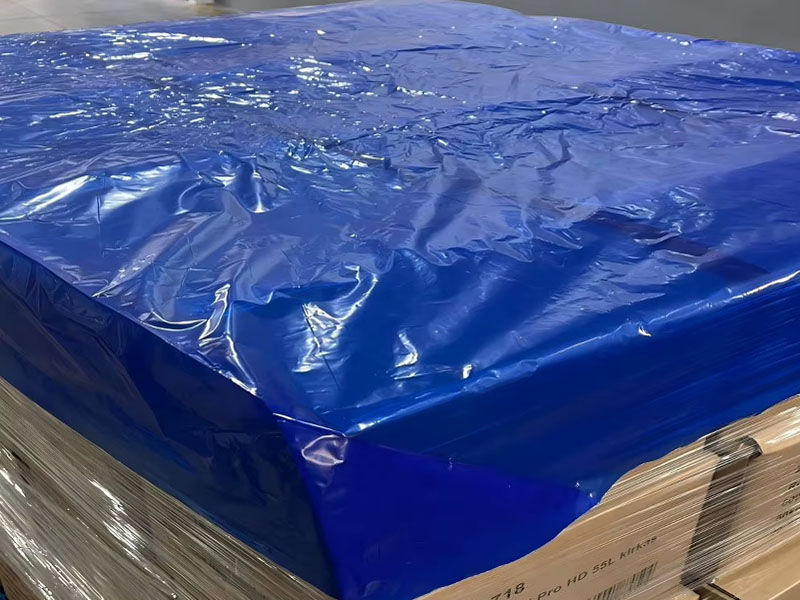
- Outdoor Covers and Tarpaulin Applications: While PVC-coated fabric dominates heavy-duty tarpaulin applications, thicker flexible PVC sheet grades are used for lighter-duty covers, pond liners, temporary weatherproofing, and agricultural film applications where a single-layer product is more cost-effective than a coated composite.
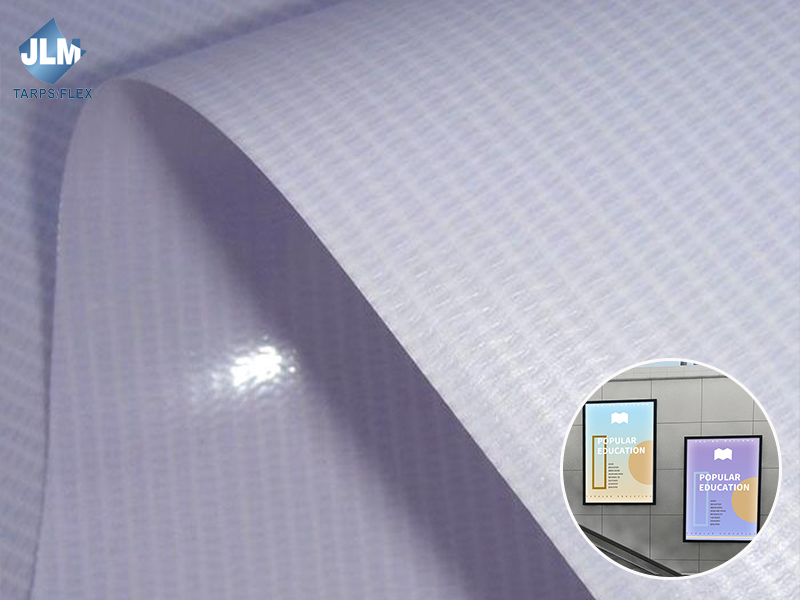
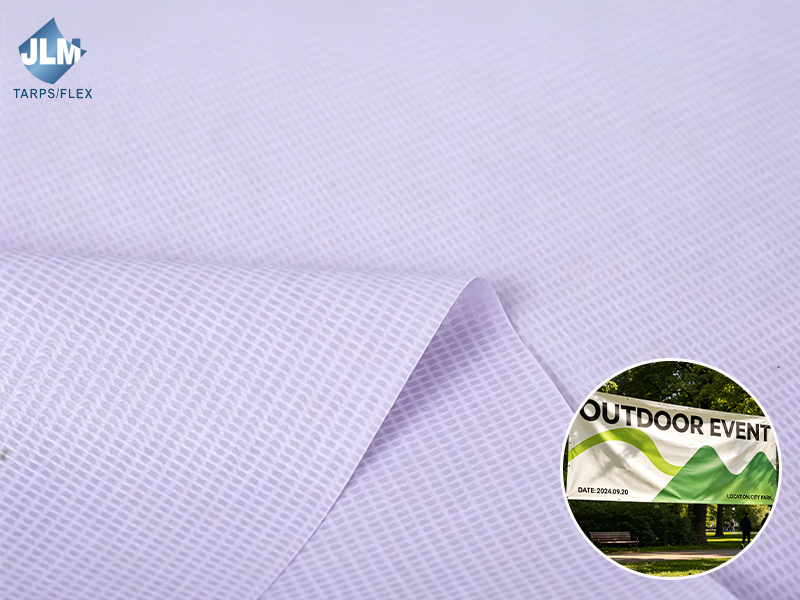
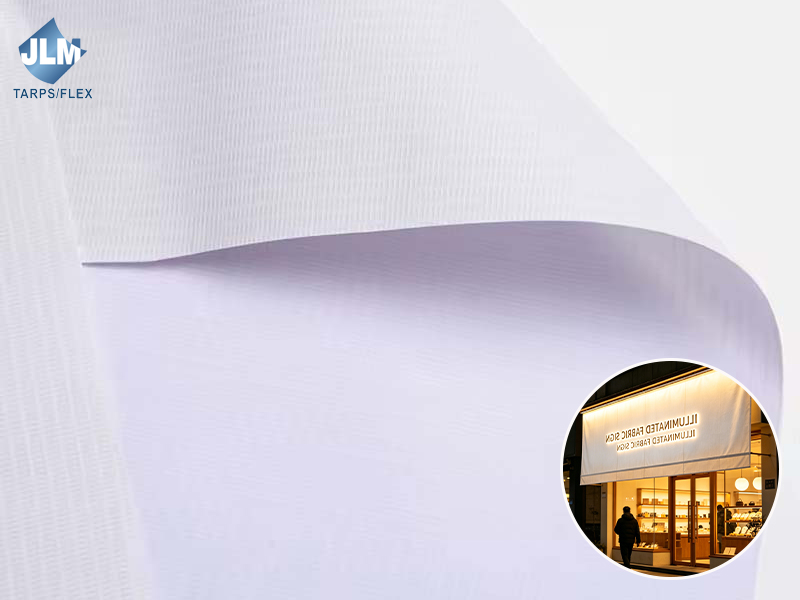
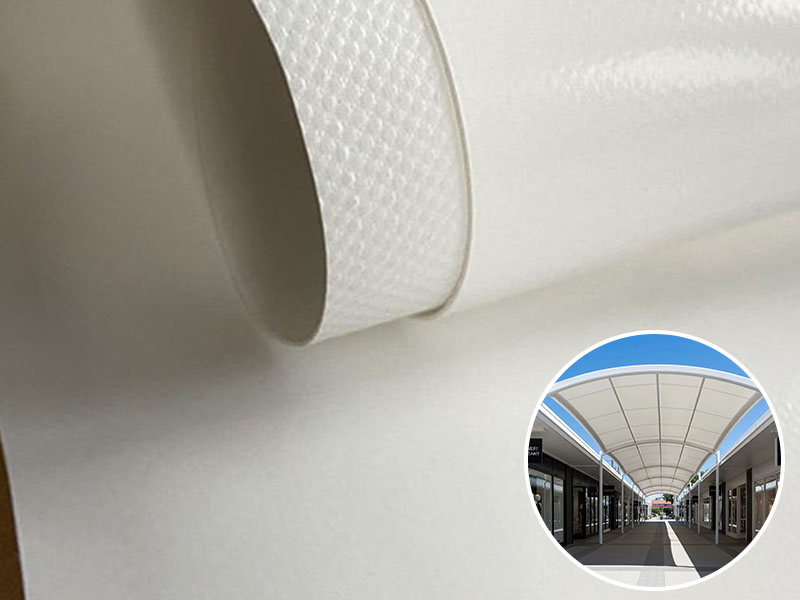
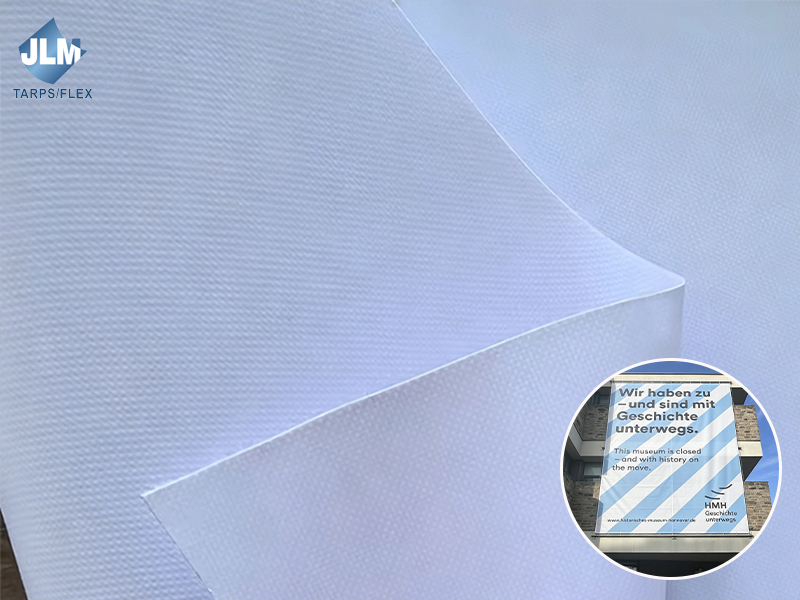
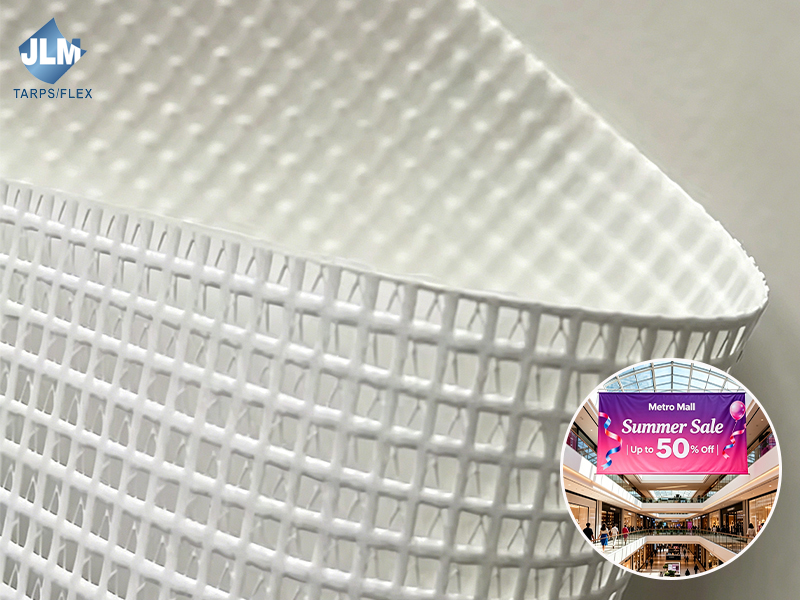
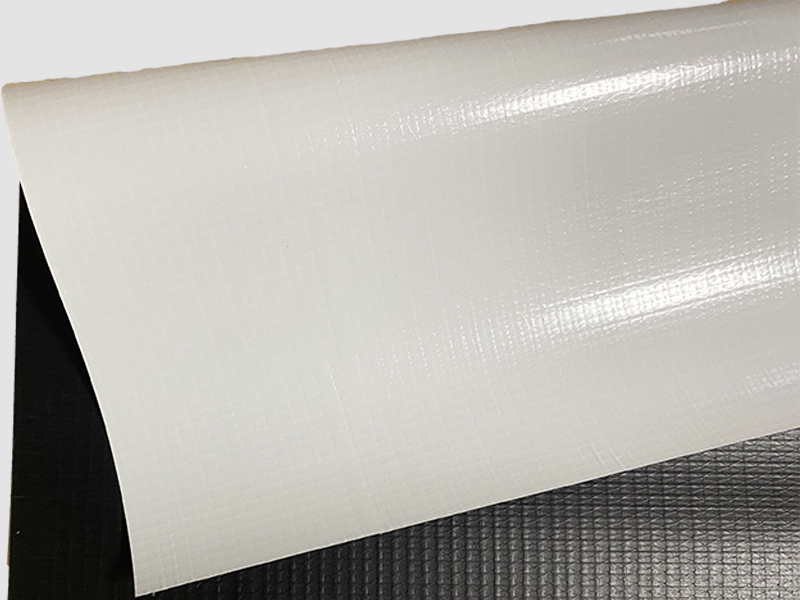
- Advertising and Print Media: Flexible PVC sheets and films serve as the substrate for large-format printing across the advertising and events industry. Their smooth, dimensionally stable surface accepts solvent, eco-solvent, UV, and latex inks reliably, and the material can be grommeted, sewn, or welded for installation.
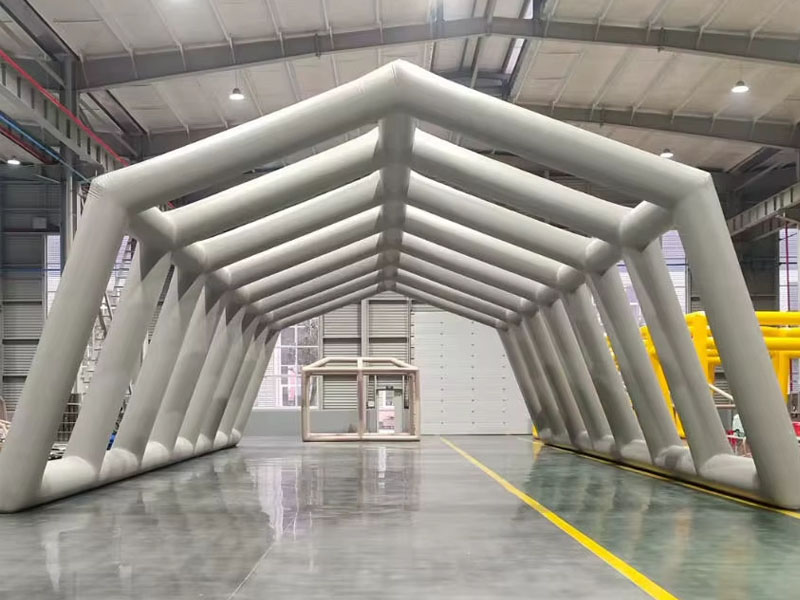
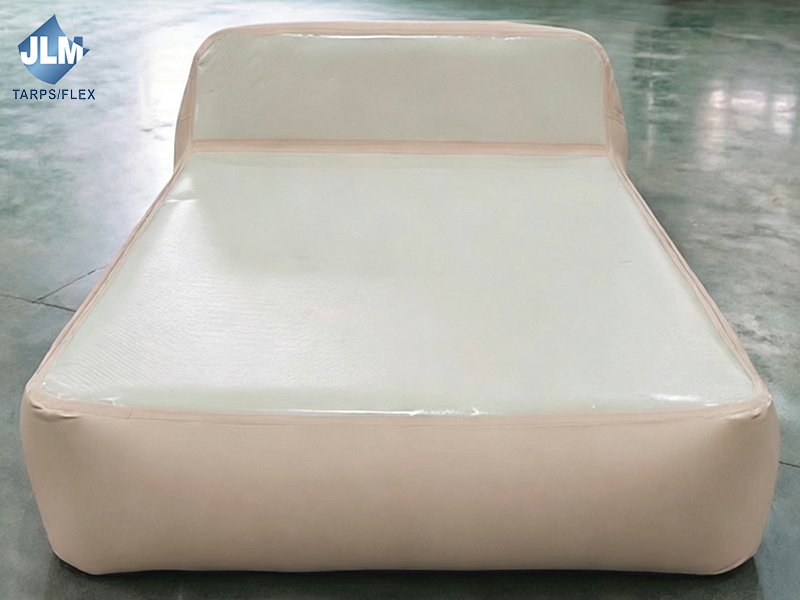
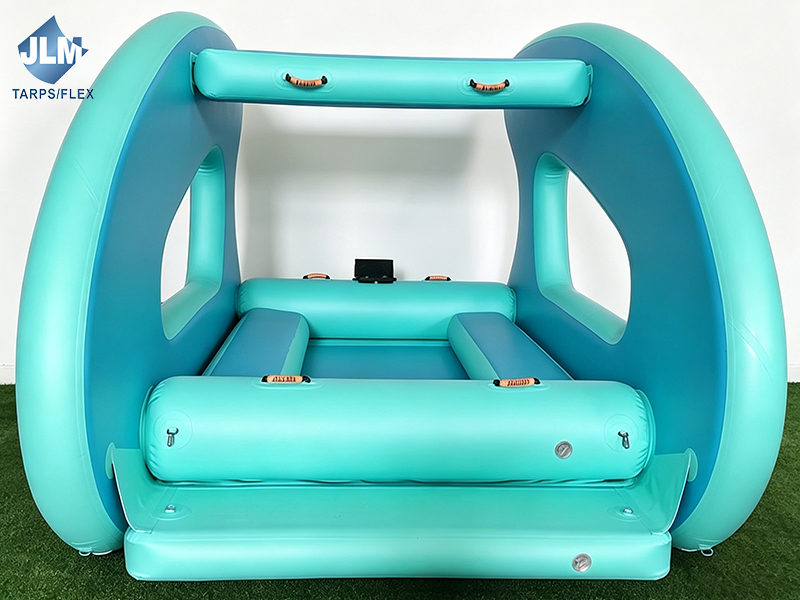
- Inflatable Structures and Products: Specialized high-frequency (HF) weldable flexible PVC sheet is the foundational material for inflatable boats, bouncy castles, promotional inflatables, and air-supported architectural structures. The HF welding process fuses the PVC at a molecular level, creating seams that are stronger than the base sheet itself.
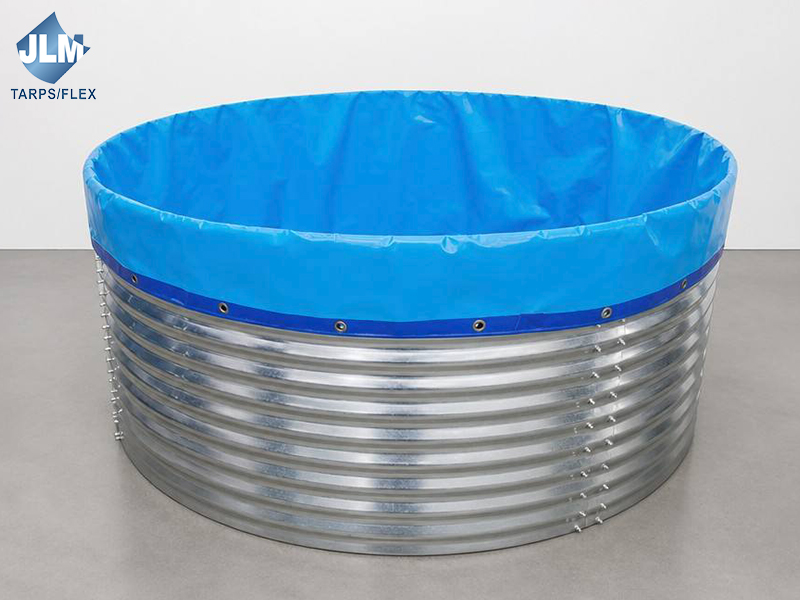
- Water Containment and Tank Liners: Flexible PVC sheet's impermeability to water and resistance to biological growth make it a widely used liner material for irrigation ponds, onion water tanks, fish farms, and portable water storage bladders. Custom-fabricated flexible PVC water tanks are an increasingly common solution for agricultural, emergency relief, and remote industrial water supply requirements.
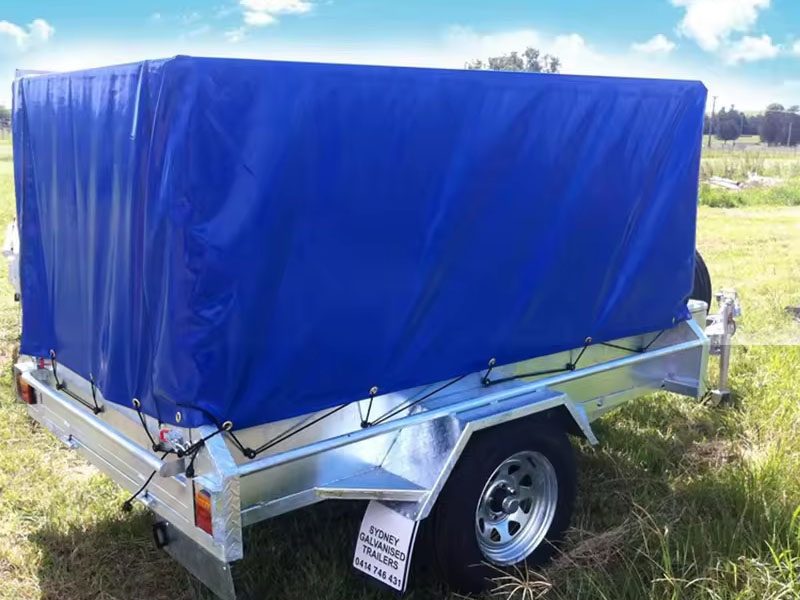
- Transportation and Logistics: Truck side curtains, trailer tarps, and cargo covers manufactured from flexible PVC sheet or PVC-coated fabric protect goods during transit from rain, UV exposure, and road debris. The printable surface of these materials simultaneously serves as a mobile advertising platform for fleet operators.
Sourcing Flexible PVC Sheet: What B2B Buyers Should Evaluate
For procurement teams sourcing flexible PVC sheet at industrial volumes, the specification sheet alone is rarely sufficient to assess supplier suitability. The following evaluation criteria distinguish reliable long-term supply partners from commodity price competitors.
Formulation consistency: Flexible PVC sheet properties — particularly hardness, tensile strength, and UV resistance — are directly controlled by the compounding formulation. Suppliers who manufacture their own PVC compound, or who work with consistent, certified compound sources, deliver far more batch-to-batch consistency than those who purchase compound opportunistically from multiple sources based on price. Request material certificates and batch test reports as a baseline requirement.
Certification and compliance: Depending on the end-use market, flexible PVC sheet may need to meet REACH (EU chemical regulation), RoHS (restriction of hazardous substances), EN 1149 (anti-static), DIN 4102-B1 (fire), or food-contact standards. Confirm that the supplier holds current, verifiable certifications for the specific grades being purchased — not just generic company-level quality certificates.
OEM and custom specification capability: Standard catalogue grades rarely match every application precisely. The ability to specify custom thickness, width, color, plasticizer type, and surface finish — and to receive consistent production against those specifications across multiple orders — is a key differentiator for suppliers serving industrial customers. Minimum order quantities, lead times, and tooling costs for custom specifications should be clarified early in the supplier evaluation process to avoid downstream surprises.
Hubei Jinlong New Materials Co., Ltd. (JL Tarpaulin) supplies flexible PVC-based sheet and coated fabric materials across a wide range of industrial specifications, with export experience spanning transportation, construction, agriculture, advertising, and water containment applications across markets in Asia, the Middle East, Europe, and beyond. Full OEM production capability supports custom width, thickness, colour, and performance specifications for clients requiring tailored material solutions at scale.