
 English
 русский
 Français
 Español
Content
- 1 What Is a PVC Pillow Water Tank?
- 2 Key Applications and Use Cases
- 3 Material Composition and Durability
- 4 Installation and Setup Requirements
- 5 Maintenance and Care Guidelines
- 6 Cost Comparison and Economic Benefits
- 7 Common Problems and Troubleshooting
- 8 Environmental and Safety Considerations
- 9 Making the Right Choice for Your Needs
What Is a PVC Pillow Water Tank?
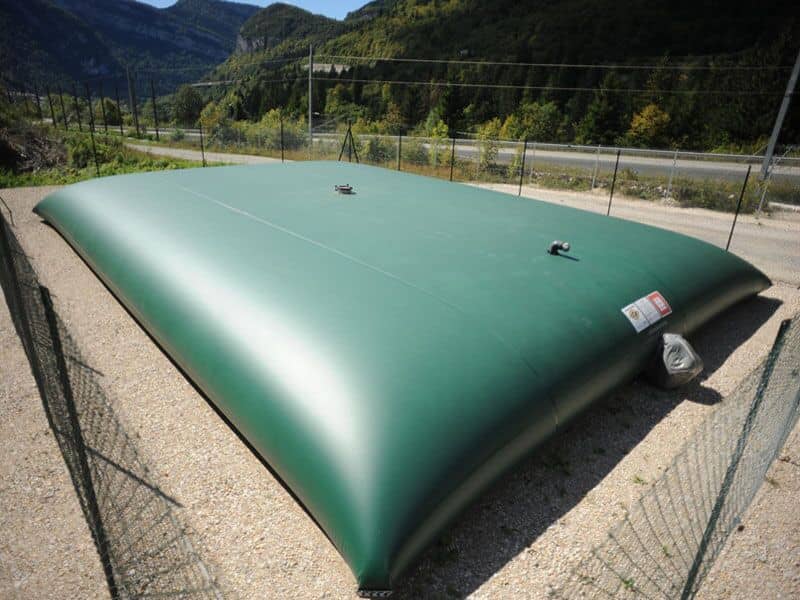
A PVC pillow water tank is a flexible, collapsible bladder made from high-strength polyvinyl chloride (PVC) material designed for temporary or semi-permanent water storage. Unlike rigid tanks, these pillow-shaped containers can be rolled up when empty, transported easily, and deployed in remote locations within hours.
These tanks typically range from 1,000 to 500,000 liters in capacity and are constructed with reinforced PVC fabric that resists UV radiation, punctures, and chemical degradation. The distinctive pillow shape distributes hydrostatic pressure evenly across the surface, allowing the tank to maintain structural integrity without internal framing.
The primary advantage of PVC pillow water tanks lies in their portability and rapid deployment capability, making them ideal for emergency response, agricultural irrigation, construction sites, and industrial applications where permanent infrastructure is impractical or cost-prohibitive.
Key Applications and Use Cases
PVC pillow water tanks serve diverse industries and scenarios where reliable water storage is critical but traditional solutions fall short.
Emergency and Disaster Relief
During natural disasters such as earthquakes, floods, or hurricanes, municipal water systems often fail. Emergency responders deploy PVC pillow tanks to store potable water delivered by trucks or helicopters. A single 10,000-liter tank can provide drinking water for approximately 200 people for five days, assuming minimal consumption of 10 liters per person daily.
Agricultural Irrigation
Farmers in arid regions use these tanks to capture and store rainwater during wet seasons for irrigation during dry periods. A medium-sized farm might install multiple 50,000-liter tanks connected to drip irrigation systems, reducing dependency on groundwater and lowering electricity costs associated with pumping.
Construction and Mining Sites
Remote construction projects and mining operations require substantial water for dust suppression, concrete mixing, and worker facilities. PVC pillow tanks eliminate the need for expensive pipeline infrastructure. A typical mining camp with 100 workers might use a 100,000-liter tank to ensure uninterrupted water supply for two weeks between deliveries.
Industrial and Fire Protection
Manufacturing facilities use these tanks for process water storage, cooling systems, or as backup fire suppression reserves. The quick-deployment nature makes them suitable for temporary facilities or sites undergoing renovation where permanent tanks must be removed.
Material Composition and Durability
Understanding the construction of PVC pillow water tanks helps users make informed decisions about suitability and lifespan.
PVC Fabric Structure
High-quality PVC pillow tanks use multi-layered fabric consisting of:
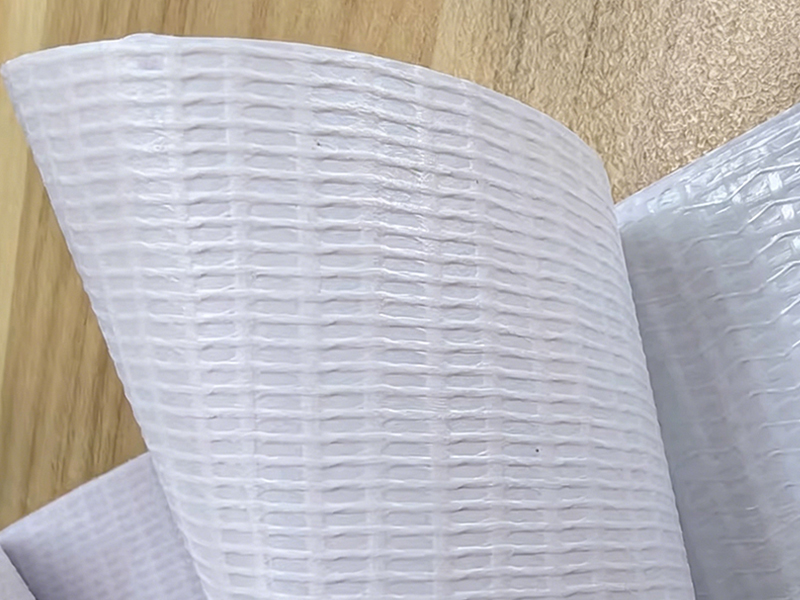
- Polyester mesh core providing tensile strength and dimensional stability
- PVC coating on both sides creating waterproof barriers
- UV-resistant additives preventing degradation from sun exposure
- Anti-microbial treatments inhibiting algae and bacterial growth
Lifespan Expectations
Under normal conditions, a well-maintained PVC pillow water tank lasts 8 to 15 years. Factors affecting longevity include:
- UV exposure intensity and duration
- Frequency of filling and draining cycles
- Water quality and chemical composition
- Ground surface preparation and protection
- Temperature extremes in the deployment location
Tanks stored indoors or under shade covers typically achieve the upper end of this range, while those exposed to harsh desert conditions may require replacement after 8-10 years.
Installation and Setup Requirements
Proper installation maximizes tank performance and prevents premature failure. While PVC pillow tanks are simpler to deploy than rigid alternatives, specific site preparation remains essential.
Site Selection Criteria
Choose a location that meets these requirements:
- Flat, level ground with no more than 2% slope to prevent uneven stress distribution
- Clear of sharp objects, rocks, roots, or debris that could puncture the tank
- Accessible for delivery trucks and future maintenance
- Away from heavy traffic areas to avoid accidental damage
- Sufficient clearance around perimeter for inspection and repairs
Ground Preparation Steps
- Remove vegetation, rocks, and debris from the designated area
- Level the ground using sand or fine gravel to create a smooth base
- Install a protective ground sheet or geotextile fabric to prevent abrasion
- Ensure drainage away from the tank area to prevent water pooling underneath
- Mark the tank footprint clearly before unrolling the bladder
Filling Procedure
Follow these steps for safe initial filling:
- Unroll the tank carefully on prepared ground, ensuring no folds or creases
- Connect inlet hose securely to the designated fill port
- Begin filling slowly at maximum 50% capacity for the first hour to allow the tank to settle and expand evenly
- Inspect for leaks or abnormal bulging during initial fill
- Continue filling to desired level once initial expansion completes
- Never exceed the manufacturer's specified maximum capacity
Maintenance and Care Guidelines
Regular maintenance extends tank life and ensures water quality. Establishing a routine inspection schedule prevents minor issues from becoming major failures.
Routine Inspection Checklist
| Inspection Item | What to Check | Action Required |
|---|---|---|
| External Surface | Cracks, tears, punctures, UV damage | Patch minor damage immediately; replace if severe |
| Seams and Welds | Separation, leaking, weakening | Professional repair or tank replacement |
| Fittings and Valves | Corrosion, leaks, proper operation | Tighten connections; replace damaged components |
| Ground Area | Settling, erosion, sharp objects | Re-level ground; remove hazards |
| Water Quality | Algae, sediment, odor, discoloration | Clean tank; treat water as needed |
Cleaning Procedures
Clean your PVC pillow water tank annually or when contamination occurs:
- Drain the tank completely through the outlet valve
- Rinse interior surfaces with clean water using a soft brush
- For stubborn deposits, use mild detergent solution (avoid harsh chemicals or abrasive cleaners)
- Rinse thoroughly to remove all cleaning residue
- Allow tank to dry completely before refilling or storing
- Inspect for damage while tank is empty and accessible
Winter Storage Considerations
In freezing climates, take these precautions:
- Drain tanks completely before temperatures drop below freezing
- Store deflated tanks in dry, temperature-controlled environments
- If tanks must remain filled, use insulated covers and consider heating elements
- Never allow water to freeze inside the tank as ice expansion will rupture the PVC material
Cost Comparison and Economic Benefits
Understanding the financial advantages of PVC pillow water tanks helps justify investment decisions compared to alternative storage solutions.
Initial Investment Analysis
| Cost Factor | PVC Pillow Tank | Steel Tank | Concrete Tank |
|---|---|---|---|
| Tank Purchase Price | $800 - $1,500 | $3,000 - $5,000 | $5,000 - $8,000 |
| Foundation/Installation | $200 - $400 | $1,500 - $2,500 | $3,000 - $5,000 |
| Transportation | $100 - $300 | $500 - $1,000 | N/A (built on-site) |
| Total Initial Cost | $1,100 - $2,200 | $5,000 - $8,500 | $8,000 - $13,000 |
Long-Term Value Proposition
Beyond lower upfront costs, PVC pillow tanks offer several economic advantages:
- Zero excavation costs compared to underground concrete tanks requiring extensive digging and permits
- No corrosion treatment necessary, unlike steel tanks requiring regular painting and rust prevention
- Relocation flexibility allows asset recovery and reuse at new sites, preserving capital investment
- Minimal maintenance expenses with annual costs typically under $100 versus $300-$500 for steel tank upkeep
- Rapid deployment reduces labor costs and project delays associated with permanent installations
For temporary projects lasting 2-5 years, PVC pillow tanks typically deliver 40-60% total cost savings compared to rigid alternatives when factoring in installation, maintenance, and decommissioning expenses.
Common Problems and Troubleshooting
While PVC pillow water tanks are generally reliable, understanding potential issues enables quick resolution and prevents costly damage.
Leak Detection and Repair
Small punctures or seam failures can usually be repaired in the field:
- Locate the leak by observing water seepage or listening for hissing sounds
- Mark the damaged area and drain water below the leak level
- Clean and dry the surrounding surface thoroughly
- Apply manufacturer-approved PVC patch kit following instructions precisely
- Allow adhesive to cure for recommended time (typically 24-48 hours)
- Test repair by refilling and monitoring for 24 hours
For damages larger than 10 cm or multiple failures in close proximity, professional assessment is recommended as structural integrity may be compromised.
Uneven Bulging or Distortion
If the tank develops unusual shapes or bulges:
- Check ground levelness—uneven surfaces cause stress concentration
- Verify fill level hasn't exceeded maximum capacity
- Inspect for external objects pressing against the tank
- Ensure vent valves are functioning properly to prevent pressure buildup
Algae and Bacterial Growth
Prevent biological contamination with these measures:
- Use opaque or dark-colored tanks to block sunlight penetration
- Install inline filters on inlet lines to reduce organic matter
- Add approved water treatment chemicals if storing for extended periods
- Maintain regular circulation by periodically draining and refilling
- Keep tank covered when not actively filling or drawing water
Environmental and Safety Considerations
Responsible use of PVC pillow water tanks requires attention to environmental impact and safety protocols.
Environmental Impact
Modern PVC pillow tanks incorporate eco-friendly features:
- BPA-free and food-grade materials available for potable water storage meeting NSF/ANSI 61 standards
- Recyclable PVC components at end-of-life through specialized facilities
- Reduced carbon footprint from transportation due to compact storage when deflated
- No chemical leaching when manufactured to proper specifications
Safety Precautions
Protect users and property with these safety measures:
- Install warning signs around large tanks to prevent unauthorized access
- Secure tanks in high-wind areas using anchor straps or weighted barriers
- Maintain safe distance from electrical equipment and power lines
- Use proper lifting techniques when moving empty tanks to avoid back injury
- Never climb on or walk across filled tanks as this creates dangerous stress points
- Keep children and pets away from tank areas unsupervised
Regulatory Compliance
Check local regulations regarding:
- Permits required for water storage above certain capacities
- Zoning restrictions on temporary structures
- Water quality testing requirements for potable use
- Environmental protection rules for runoff management
Most jurisdictions exempt PVC pillow tanks under 50,000 liters from permitting when used for non-potable purposes, but verification with local authorities is essential before installation.
Making the Right Choice for Your Needs
Selecting the appropriate PVC pillow water tank requires matching specifications to your specific application.
Capacity Planning
Calculate your water storage needs using these guidelines:
- Emergency preparedness: Plan for 3-7 days of supply at 10-15 liters per person daily
- Agricultural irrigation: Estimate crop water requirements plus 20% buffer for evaporation losses
- Construction sites: Calculate peak daily usage multiplied by delivery interval in days
- Industrial processes: Consult equipment specifications and add safety margin for unexpected demand
Quality Indicators
When evaluating suppliers, look for these quality markers:
- Certified material specifications with test reports
- Warranty coverage of at least 3-5 years
- High-frequency welded seams rather than glued joints
- Reinforced stress points at corners and connection areas
- Positive customer reviews from similar applications
- Availability of replacement parts and repair kits
PVC pillow water tanks represent a versatile, cost-effective solution for diverse water storage challenges. Their combination of portability, durability, and affordability makes them superior to rigid alternatives for temporary or mobile applications. By selecting the right capacity, ensuring proper installation, and maintaining regular care routines, users can maximize the value and lifespan of their investment while ensuring reliable water availability when needed most.