
 English
 русский
 Français
 Español
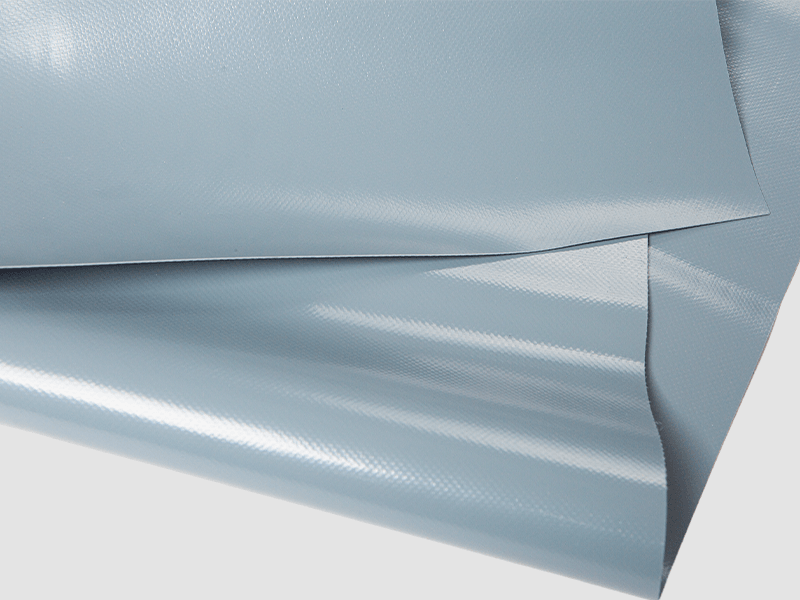
PVC inflatable fabric is a durable, waterproof composite material made from polyvinyl chloride coated onto polyester or nylon mesh, widely used in products ranging from pool toys and air mattresses to industrial boat hulls and emergency shelters. Its versatility stems from excellent tensile strength, resistance to UV degradation, and cost-effective manufacturing processes that allow for mass production of reliable inflatable goods.
Content
Composition and Manufacturing Process
Understanding what makes PVC inflatable fabric work requires examining its layered construction. The material typically consists of three primary components working together to create a functional product.
Base Fabric Layer
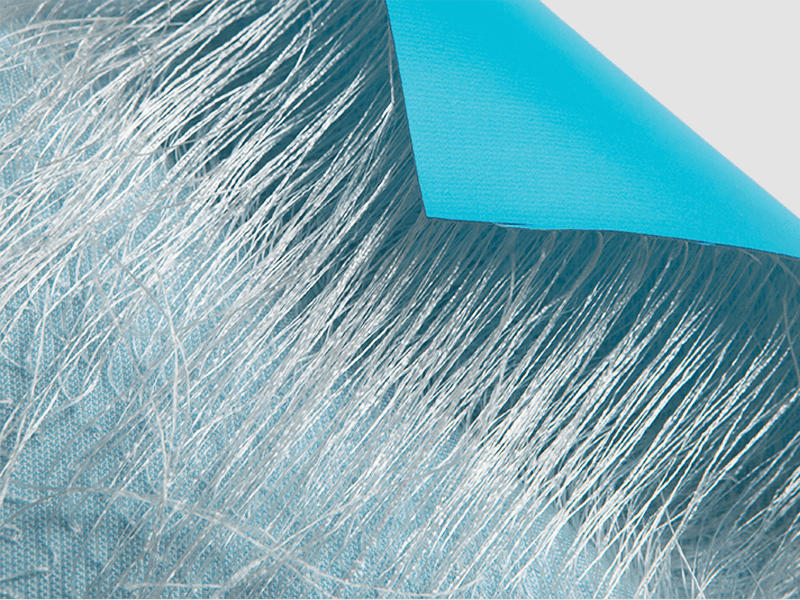
The foundation is usually a woven polyester or nylon scrim with denier ratings between 200D and 1000D. Higher denier counts indicate thicker, stronger yarns that provide better tear resistance. This mesh structure gives the fabric dimensional stability while remaining flexible enough to fold and inflate repeatedly.
PVC Coating Application
Polyvinyl chloride is applied through either calendering or coating methods. Calendered PVC involves passing the base fabric through heated rollers that press molten PVC into the weave, creating thicknesses ranging from 0.3mm to 1.2mm depending on intended use. Coated PVC uses liquid plastisol applied by knife-coating or dip-coating techniques, allowing for more precise thickness control.
Additives and Enhancements
Manufacturers incorporate various chemical additives to improve performance characteristics:
- UV stabilizers prevent yellowing and brittleness from sun exposure
- Plasticizers maintain flexibility across temperature ranges from -20°C to 60°C
- Antimicrobial agents inhibit mold and mildew growth in humid conditions
- Flame retardants meet safety standards for indoor and commercial applications
Key Performance Characteristics
PVC inflatable fabric delivers specific measurable properties that determine its suitability for different applications. These characteristics can be quantified through standardized testing procedures.
| Property | Standard Range | Test Method |
|---|---|---|
| Tensile Strength | 180-350 N/5cm | ISO 1421 |
| Tear Resistance | 80-150 N | ISO 4674 |
| Air Permeability | <0.5 L/m²/min | ISO 9237 |
| Weight | 400-800 g/m² | ISO 2286-2 |
| UV Resistance | 1000-2000 hours | ISO 4892 |
Durability Factors
Real-world longevity depends on multiple variables. High-quality PVC inflatable fabric used in marine applications can last 5-10 years with proper care, while recreational pool floats may degrade within 1-2 seasons due to chlorine exposure and rough handling. The key determinants include coating thickness, base fabric quality, environmental exposure, and maintenance practices.
Temperature Performance
Standard PVC formulations remain flexible down to approximately -15°C, though specialized cold-weather blends can function at temperatures as low as -30°C. At high temperatures above 60°C, the material may become overly soft and susceptible to deformation under pressure. This thermal range makes it suitable for most outdoor recreational and industrial applications but limits use in extreme environments.
Common Applications Across Industries
The adaptability of PVC inflatable fabric has led to widespread adoption across diverse sectors, each requiring specific material properties tailored to their operational demands.
Recreational Products
This category represents the largest market segment, accounting for approximately 60% of global PVC inflatable fabric consumption. Products include swimming pool floats, inflatable boats, air mattresses, bounce houses, and water park attractions. Manufacturers prioritize vibrant colors, printability, and puncture resistance for these consumer-facing items.
Marine and Watercraft
Inflatable dinghies, rigid-hull inflatable boats (RHIBs), and rescue craft utilize heavy-duty PVC fabric with thicknesses of 0.9mm to 1.2mm. These applications demand exceptional abrasion resistance, saltwater compatibility, and the ability to withstand constant flexing during navigation. Military and coast guard vessels often specify fabrics meeting NATO standards for enhanced reliability.
Industrial and Emergency Use
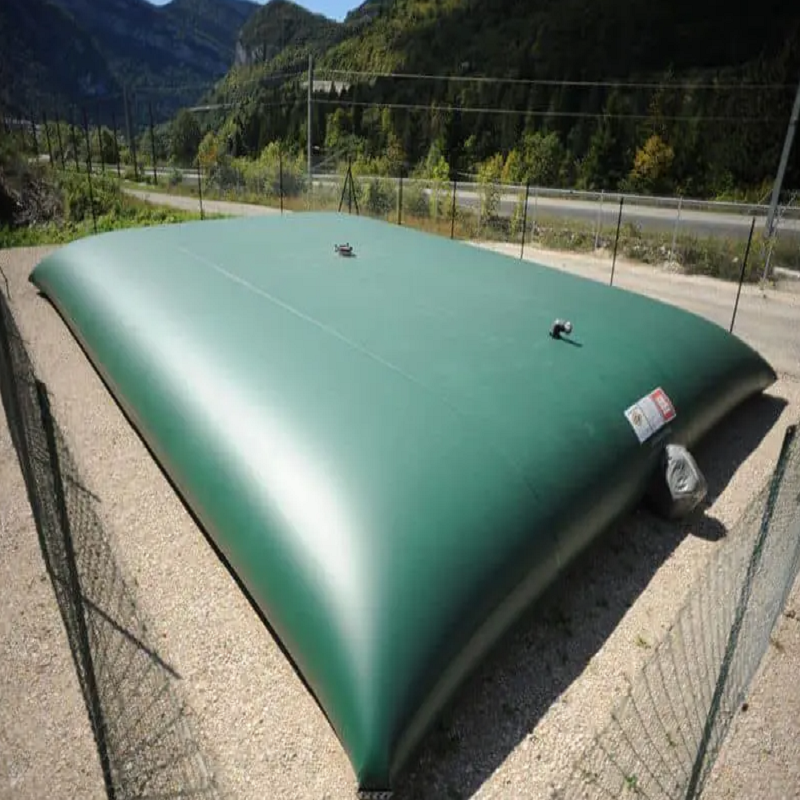
Temporary shelters, flood barriers, containment booms, and medical isolation tents leverage PVC inflatable fabric for rapid deployment capabilities. These products must maintain structural integrity under sustained pressure loads and harsh weather conditions. Fire-resistant variants are increasingly specified for public safety applications where flame spread regulations apply.
Advertising and Events
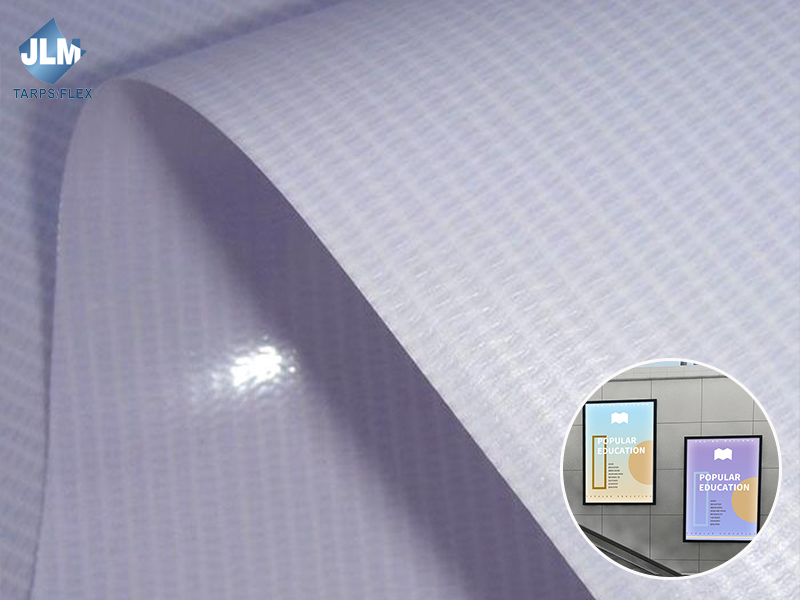
Large-scale inflatable structures for trade shows, promotional displays, and entertainment venues benefit from the material's ability to accept high-resolution digital printing. Modern PVC fabrics support full-color graphics with UV-resistant inks that maintain vibrancy for months of outdoor display.
Maintenance and Repair Guidelines
Proper care significantly extends the service life of PVC inflatable products. Following systematic maintenance protocols prevents premature degradation and reduces replacement costs.
Cleaning Procedures
Regular cleaning removes contaminants that accelerate material breakdown. Use mild soap solutions with pH levels between 6-8 and soft-bristle brushes to avoid surface scratching. Rinse thoroughly with fresh water after exposure to saltwater, chlorine, or muddy conditions. Avoid harsh solvents, abrasive cleaners, or pressure washers that can damage the PVC coating.
Storage Best Practices
Store inflated products partially deflated in cool, dry locations away from direct sunlight. Fold along original crease lines to minimize stress concentrations. Keep items elevated off concrete floors to prevent moisture absorption and mold formation. For long-term storage exceeding six months, inspect quarterly for signs of sticking or adhesion between folded layers.
Repair Techniques
Minor punctures and tears can be effectively repaired using PVC patch kits containing compatible adhesive and reinforcement fabric. The repair process involves:
- Clean and dry the damaged area completely
- Sand lightly around the puncture to improve adhesion
- Apply adhesive to both the patch and substrate
- Allow adhesive to become tacky (typically 5-10 minutes)
- Press patch firmly, removing air bubbles
- Allow 24-hour cure time before re-inflation
For damages larger than 5cm or seam failures, professional repair services using heat-welding equipment provide more reliable results than DIY patches.
Environmental Considerations and Alternatives
Growing environmental awareness has prompted scrutiny of PVC's lifecycle impacts and spurred development of alternative materials for inflatable applications.
Recycling Challenges
PVC recycling rates remain below 20% globally due to difficulties separating the plastic coating from fabric substrates and concerns about chlorine content during processing. However, specialized facilities can mechanically grind post-consumer PVC inflatable products into flakes for use in lower-grade applications like flooring underlayment or automotive sound dampening.
Emerging Sustainable Options
Several alternatives show promise for reducing environmental impact while maintaining performance:
- TPU (Thermoplastic Polyurethane): Offers superior recyclability and biodegradability but costs 2-3 times more than PVC
- Bio-based PVC: Incorporates plant-derived plasticizers to reduce petroleum dependence by up to 30%
- Hypalon (CSM): Provides exceptional UV and chemical resistance for premium marine applications despite higher costs
- Recycled PET blends: Use post-consumer plastic bottles as base fabric, reducing virgin material consumption
Regulatory Compliance
Modern PVC inflatable fabric manufacturers must comply with regulations including REACH in Europe, which restricts certain phthalate plasticizers, and California Proposition 65 regarding chemical disclosures. Phthalate-free formulations using alternative plasticizers like DOTP or DINCH now dominate markets serving children's products and healthcare applications.
Selection Criteria for Specific Applications
Choosing the appropriate PVC inflatable fabric requires matching material specifications to intended use conditions. Key decision factors include operating environment, expected lifespan, budget constraints, and regulatory requirements.
Thickness Selection Guide
| Application | Thickness Range | Expected Lifespan |
|---|---|---|
| Pool Toys | 0.25-0.35mm | 1-2 seasons |
| Air Mattresses | 0.35-0.50mm | 2-3 years |
| Inflatable Boats | 0.70-0.90mm | 5-8 years |
| Commercial RHIBs | 0.90-1.20mm | 8-12 years |
| Industrial Shelters | 0.80-1.50mm | 10+ years |
Quality Verification Methods
When sourcing PVC inflatable fabric, request test certificates documenting tensile strength, tear resistance, and UV stability ratings. Physical inspection should reveal uniform coating without pinholes, consistent color saturation, and smooth edges free from delamination. Reputable suppliers provide samples for independent testing before committing to large orders.
The optimal PVC inflatable fabric balances cost, performance, and environmental responsibility for your specific application. By understanding material composition, performance metrics, and proper maintenance protocols, users can maximize product lifespan while minimizing total ownership costs. As sustainability pressures intensify, the industry continues evolving toward greener formulations without sacrificing the durability and versatility that make PVC inflatable fabric indispensable across countless applications.