
 English
 русский
 Français
 Español
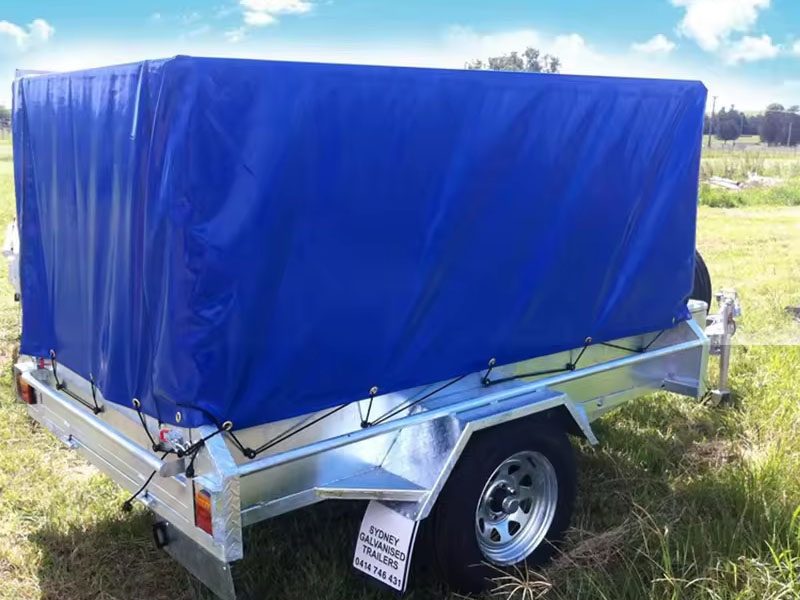
In road transportation, cargo damage caused by sudden weather changes, highway dust, road spray, and long-term UV exposure remains one of the most common and costly issues for fleet companies and logistics operators. While advanced packaging and stable loading reduce internal risks, most external transit hazards can only be blocked by one reliable barrier: heavy-duty waterproof truck tarps. As a core protective material for open-bed and flatbed transportation, modern PVC-coated polyester tarps provide multi-layer, all-round cargo protection throughout loading, transit, and temporary storage stages.
Content
- 1 1. Block Rain, Snow and Road Splash to Eliminate Moisture Damage
- 2 2. Isolate Dust and Debris to Keep Cargo Pristine
- 3 3. Resist UV Radiation to Prevent Material Aging and Quality Degradation
- 4 4. High Tensile Strength Prevents Scratches, Tearing and Cargo Spillage
- 5 5. Stabilize Load Environment and Reduce Secondary Transit Risks
- 6 Final Verdict: Tarps Are Indispensable Low-Cost Cargo Insurance
1. Block Rain, Snow and Road Splash to Eliminate Moisture Damage
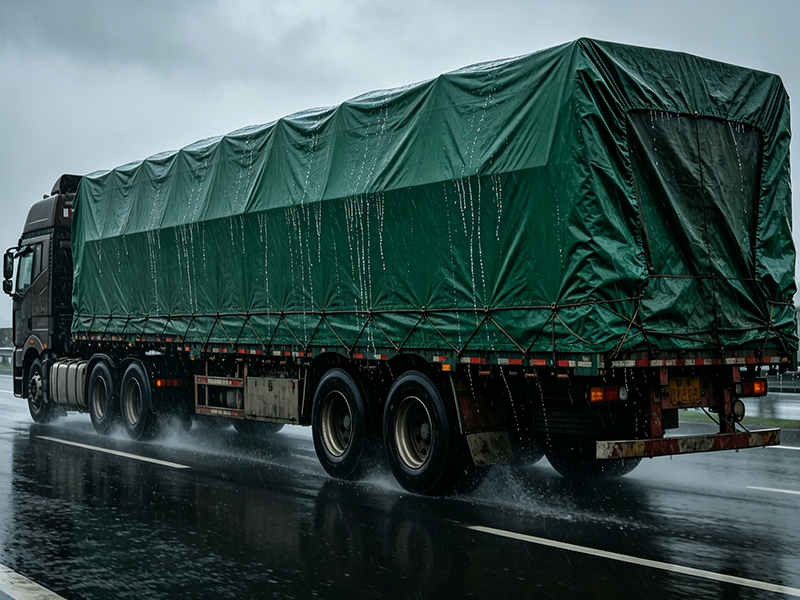
Moisture-induced damage accounts for the largest proportion of cargo loss in road haulage. Ordinary woven fabrics easily absorb water and allow penetration under heavy rain or high-speed driving water pressure. Premium industrial truck tarps adopt integrated PVC coating and heat-welded seamless technology, forming a continuous dense waterproof layer on the fabric surface. With a stable hydrostatic head performance, they can resist sustained rainfall and rolling road splash during highway transportation, completely preventing rainwater from penetrating into cargo layers.
This protection is critical for multiple industries. For paper packaging goods, textiles and food materials, tarps avoid damp deformation, mildew and spoilage. For metal parts, steel materials and mechanical equipment, they effectively prevent surface oxidation and rust caused by rain immersion. For bulk cargo such as grain and chemical raw materials, waterproof coverage stops moisture caking and quality deterioration, ensuring cargo integrity upon arrival.
2. Isolate Dust and Debris to Keep Cargo Pristine
Long-distance highway transit exposes open cargo to complex road environments. Rolling tires raise large amounts of road dust, fine sand and mud splatters, while roadside floating debris easily adheres to exposed goods. Without effective covering, finished products will be contaminated, increasing customer rejection rates and secondary cleaning costs.
Heavy-duty truck tarps fully cover the carriage and form a closed protective space. The smooth and compact surface prevents dust adhesion and isolates external pollutants, keeping packaged goods, construction materials and commercial products clean throughout the journey. This is especially important for high-value finished goods that require zero surface contamination for delivery and retail sales.
3. Resist UV Radiation to Prevent Material Aging and Quality Degradation
Many logistics operators overlook solar UV damage. Long-term direct sunlight will accelerate aging, fading and structural embrittlement of plastic products, rubber parts, wooden materials and outdoor packaging. In high-temperature summer transit, continuous UV exposure can even lead to product performance attenuation and batch quality problems.
Modern qualified truck waterproof tarps are added with professional UV-stabilizing agents during production. The coating layer can effectively block ultraviolet penetration, reduce photochemical damage to cargo, and maintain the original performance and appearance of goods during long-distance outdoor transportation and open-air temporary storage.
4. High Tensile Strength Prevents Scratches, Tearing and Cargo Spillage
Road transportation involves continuous vehicle vibration, bumping and high-speed wind impact. Exposed cargo is vulnerable to scratch damage from roadside branches and flying gravel, while loose bulk materials are prone to spillage, which not only causes cargo loss but also triggers road safety hazards and regulatory penalties.
Different from ordinary thin advertising cloth and ordinary canvas, professional truck tarps use high-strength polyester base fabric as the core, with wonderful tensile and tear resistance. The thickened coating and reinforced edging design resist strong wind flapping and external impact friction. They protect cargo outer packaging from cracking and damage, and firmly cover bulk materials to avoid falling debris, helping fleets comply with road transportation safety regulations.
5. Stabilize Load Environment and Reduce Secondary Transit Risks
A properly tensioned and fixed waterproof tarp also optimizes the overall transit environment. Taut tarps reduce wind resistance vibration during driving, avoid cargo displacement caused by frequent wind flapping, and assist in maintaining overall load stability. Meanwhile, the closed covering effectively prevents sudden temperature and humidity changes in the carriage, reducing condensation and local damp problems caused by day and night temperature differences.
Final Verdict: Tarps Are Indispensable Low-Cost Cargo Insurance
In modern commercial logistics, cargo protection is not only a quality control link but also a key part of cost control and brand reputation management. Heavy-duty waterproof truck tarps do not rely on single waterproof performance. They integrate waterproofing, dustproofing, UV resistance, wear resistance and wind resistance, providing full-cycle protection from loading sites to destination delivery.
For logistics fleets, construction transportation and agricultural haulage businesses, selecting high-quality standard truck tarps is the most cost-effective way to reduce cargo damage rates, avoid transportation disputes and comply with road safety standards.