
 English
 русский
 Français
 Español
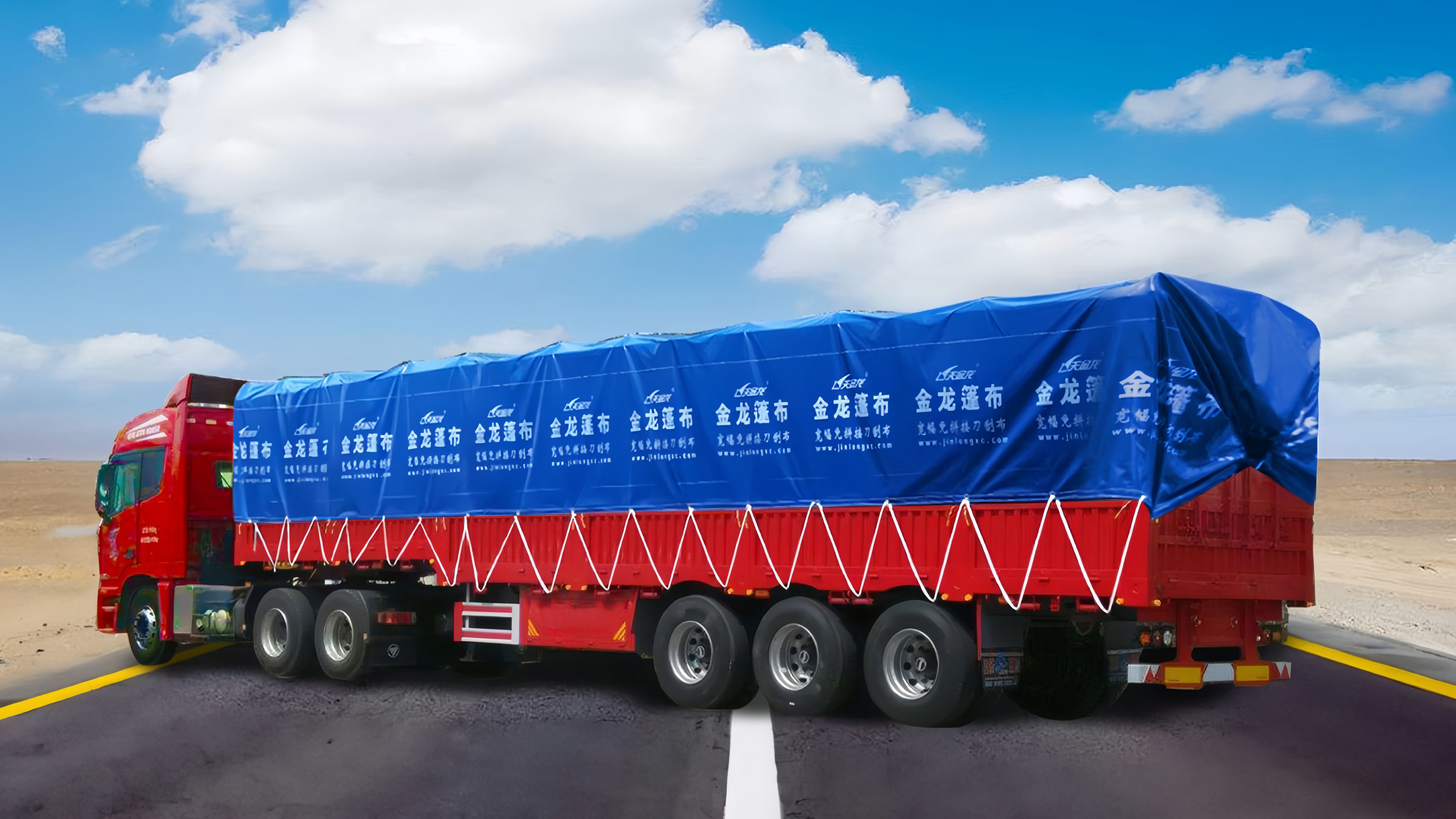
Truck tarpaulins are essential protective tools in the transportation industry. They shield goods from harsh weather and ensure cargo safety, with their performance directly affecting transportation efficiency and cargo integrity. With a wide range of tarpaulin materials on the market, how do you pick a durable option tailored to your needs? This guide clarifies material properties, application scenarios and maintenance tips to help you make an informed choice.
Content
- 1 I. Analysis of Common Tarpaulin Materials: Pros, Cons & Application
- 1.1 1. PVC Coated Tarpaulin: Wear-resistant & Anti-aging Practical Choice
- 1.2 2. PE Tarpaulin: Lightweight & Cost-effective Budget Option
- 1.3 3. Scraper Coated Tarpaulin: Flexible & Weather-resistant Outdoor Premium Pick
- 1.4 4. Silicone-coated Tarpaulin: Breathable & Mildew-resistant for Special Scenarios
- 2 II. Core Durability Indicators: Key Performance Differences to Note
- 3 III. Scenario-based Selection: Match Your Needs to Avoid Waste
- 4 IV. Maintenance Tips: Key to Extending Tarpaulin Service Life
- 5 V. Conclusion: Choose Wisely to Protect Your Cargo
I. Analysis of Common Tarpaulin Materials: Pros, Cons & Application
1. PVC Coated Tarpaulin: Wear-resistant & Anti-aging Practical Choice
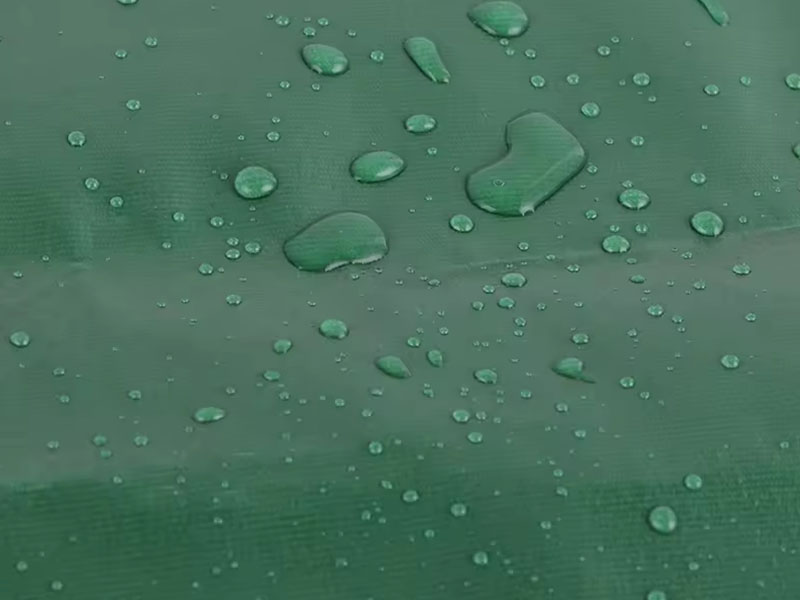
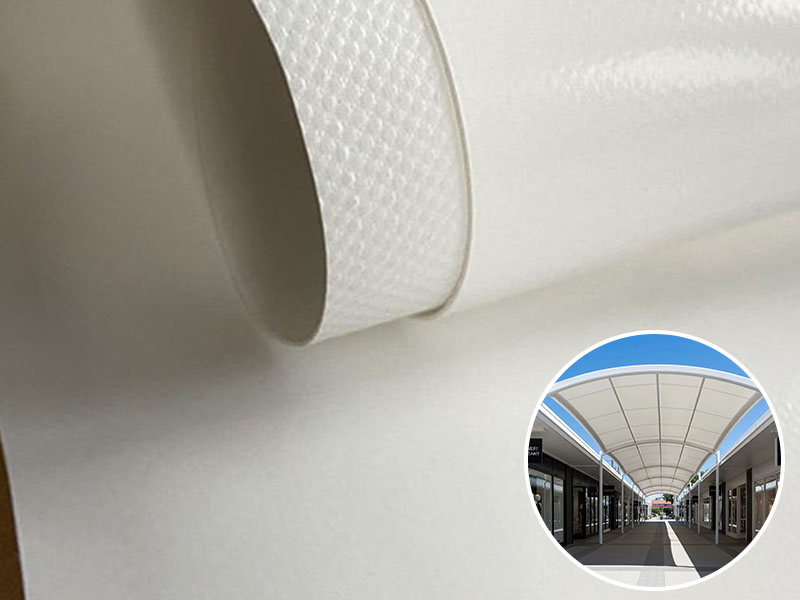
Made with PVC paste resin coating via heat-sealing technology, this tarpaulin eliminates water leakage through pinholes common in traditional stitched fabrics. It delivers outstanding waterproof and windproof performance, along with high wear resistance, tear strength and aging resistance for a long service life.
Applicable scenarios: Transportation of heavy machinery, steel and other abrasive goods; regular routes exposed to heavy rain, strong winds and other severe weather conditions.
2. PE Tarpaulin: Lightweight & Cost-effective Budget Option
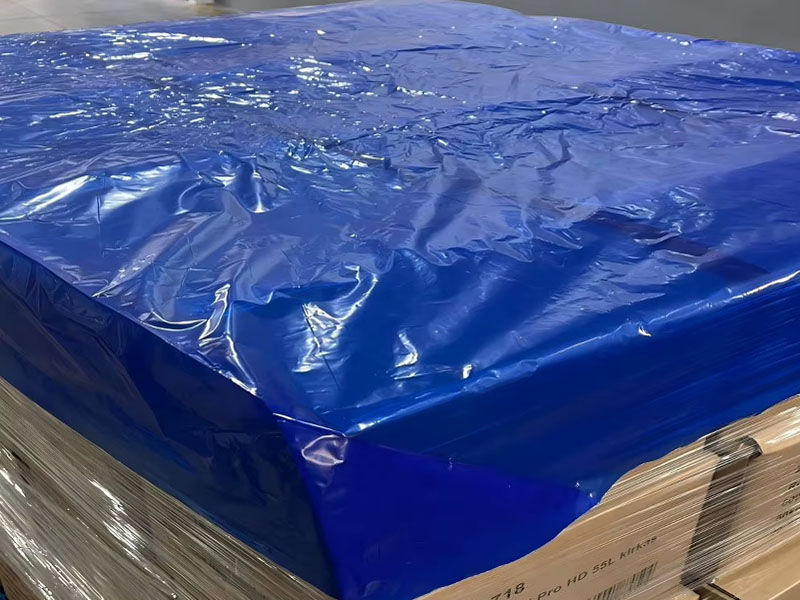
Crafted from high-density polyethylene with double-sided PE film coating, it features light weight and low cost. It meets basic waterproof needs but offers poor wear resistance, prone to damage from friction or sharp objects.
Applicable scenarios: Short-distance transportation of light goods such as daily necessities and agricultural products; temporary coverage for cost-sensitive demands.
3. Scraper Coated Tarpaulin: Flexible & Weather-resistant Outdoor Premium Pick
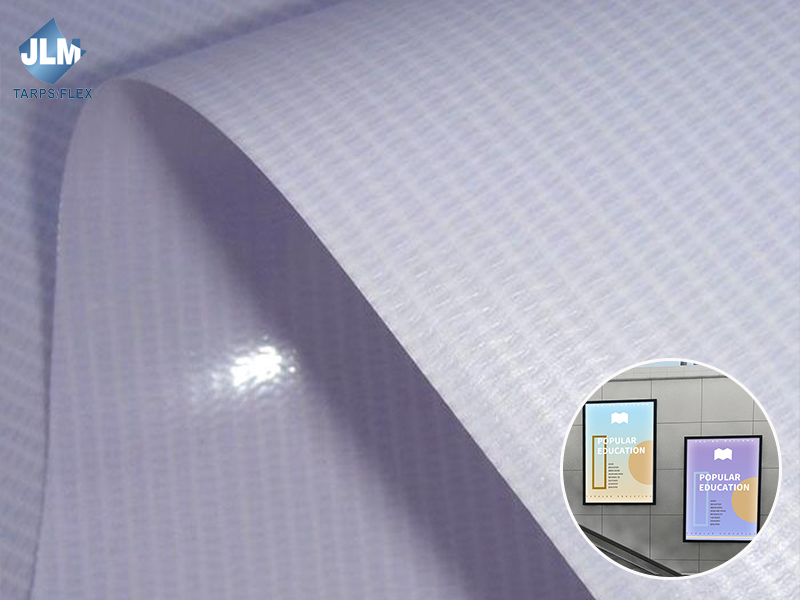
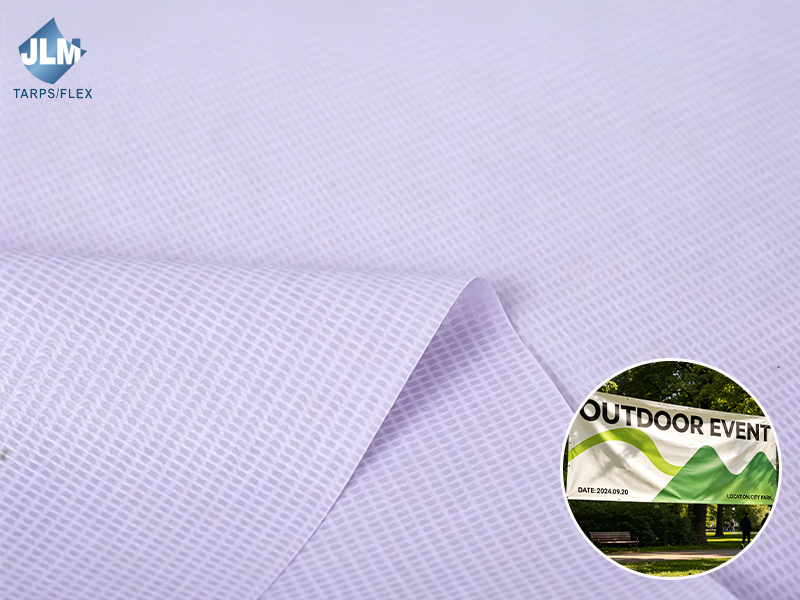
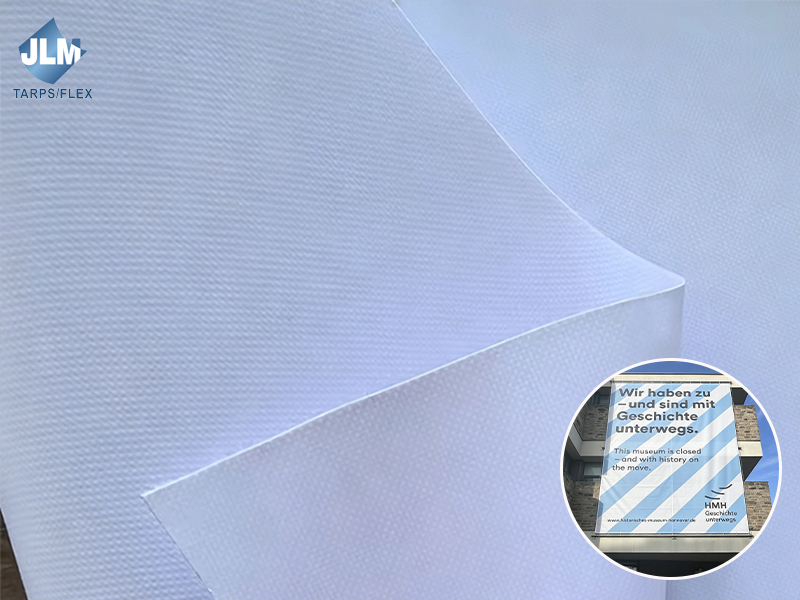
Manufactured with synthetic chemical materials, it has a smooth side and a textured side, boasting wonderful ductility and flexibility. It features stable chemical properties, oxidation resistance, acid and alkali resistance, as well as wonderful rainproof, sun-proof and cold-resistant performance, ideal for long-term outdoor use.
Applicable scenarios: Long-haul transportation, warehouse coverage, and frequent folding and storage.
4. Silicone-coated Tarpaulin: Breathable & Mildew-resistant for Special Scenarios
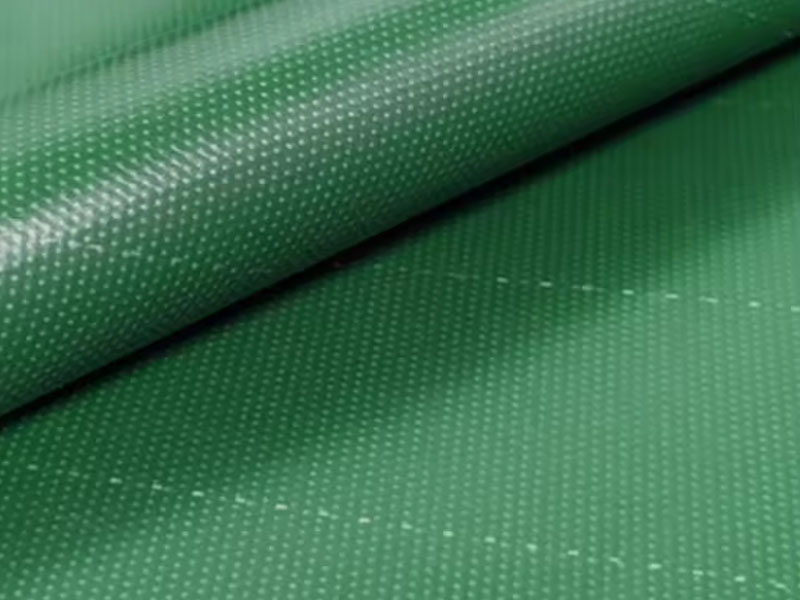
Adopting synthetic technology, it integrates waterproofing, mildew resistance, aging resistance and anti-static properties. It is more breathable than conventional tarpaulins and lightweight, good for cargo requiring ventilation.
Applicable scenarios: Transportation of moisture-sensitive goods like food and medicine; shipping of electronic components requiring anti-static protection.
II. Core Durability Indicators: Key Performance Differences to Note
- Tensile Strength: Measures the fabric’s ability to withstand pulling force.
- Tear Strength: Resists further tearing once punctured by sharp objects.
- Temperature Resistance: Adapts to diverse regional climatic conditions.
- Service Life: Determined by usage frequency and daily maintenance.
III. Scenario-based Selection: Match Your Needs to Avoid Waste
1. Heavy Cargo Transportation: Prioritize PVC Coated Tarpaulin
When hauling steel, mechanical equipment and other heavy loads, tarpaulins must withstand friction and pressure from sharp cargo edges. The wonderful wear and tear resistance of PVC coated tarpaulins effectively prevent damage, keeping goods dry and secured.
2. Precision Instrument Transportation: Silicone-coated Tarpaulin for Maximum Safety
Electronic devices and medical equipment demand strict moisture-proof and anti-static protection. The breathability of silicone-coated tarpaulins reduces internal condensation, while anti-static performance prevents damage to electronic components.
3. Short-haul Light Cargo: PE Tarpaulin for High Cost Performance
Light goods such as daily necessities and farm produce have low wear-resistance requirements. The light weight and low cost of PE tarpaulins fully meet short-distance transportation needs.
IV. Maintenance Tips: Key to Extending Tarpaulin Service Life
- Cleaning & Drying: Air-dry tarpaulins in cool, well-ventilated areas after cleaning; avoid prolonged direct sunlight to prevent coating peeling.
- Sharp Object Prevention: Clear sharp debris such as stones and nails in truck beds before loading to avoid punctures.
- Regular Inspection: Monthly checks for loose fixing ropes, surface degumming and cracking.
- Proper Storage: Fold gently without excessive compression; store in a dry place away from acidic and alkaline chemicals.
V. Conclusion: Choose Wisely to Protect Your Cargo
The durability of truck tarpaulins depends on transportation scenarios, cargo types and daily maintenance habits. PVC coated tarpaulins suit heavy-duty intensive use; PE tarpaulins serve economical short-distance transport; scraper coated tarpaulins excel in flexibility and weather resistance, while silicone-coated tarpaulins meet specialized protection demands.