
 English
 русский
 Français
 Español
Content
- 1 Is PVC Weatherproof? The Direct Answer
- 2 How PVC Tarpaulin Is Made Weatherproof
- 3 What Weather Conditions Can PVC Tarpaulin Withstand
- 4 PVC Tarpaulin vs. PE Tarpaulin: Which Is More Weatherproof
- 5 Weatherproof PVC Applications Across Industries
- 6 How to Maintain PVC Tarpaulin Weatherproofing Over Time
- 7 Why Jinlong Is a Trusted PVC Weatherproof Tarpaulin Manufacturer
Is PVC Weatherproof? The Direct Answer
Yes — PVC (polyvinyl chloride) is weatherproof, and in the context of tarpaulin and coated fabrics, It ranks highly in weatherproof performance among outdoor-grade materials.The short answer, however, requires an important qualification: not all PVC products are created equal. The weatherproofing performance of any PVC material depends on its formulation, the presence of UV stabilizers, the thickness of the coating, and whether the base fabric reinforcement is correctly specified for the intended application.
PVC as a raw polymer is inherently non-porous and impermeable to water. It does not absorb moisture, does not swell when wet, and does not rust or corrode. These properties alone make it a strong candidate for outdoor protection. When combined with a woven polyester scrim base fabric and treated with anti-aging, anti-mildew, and anti-static chemical additives, PVC tarpaulin becomes a fully engineered weatherproof material capable of handling rain, snow, UV radiation, wind, and temperature extremes across a wide operating range.
How PVC Tarpaulin Is Made Weatherproof
The weatherproofing capability of a PVC tarpaulin is not simply a property of the PVC polymer itself — it is the result of a deliberate manufacturing process that layers multiple protective elements together. Understanding this process explains why industrial-grade PVC tarpaulin outperforms basic plastic sheeting in outdoor conditions.
Three-Layer Composite Construction
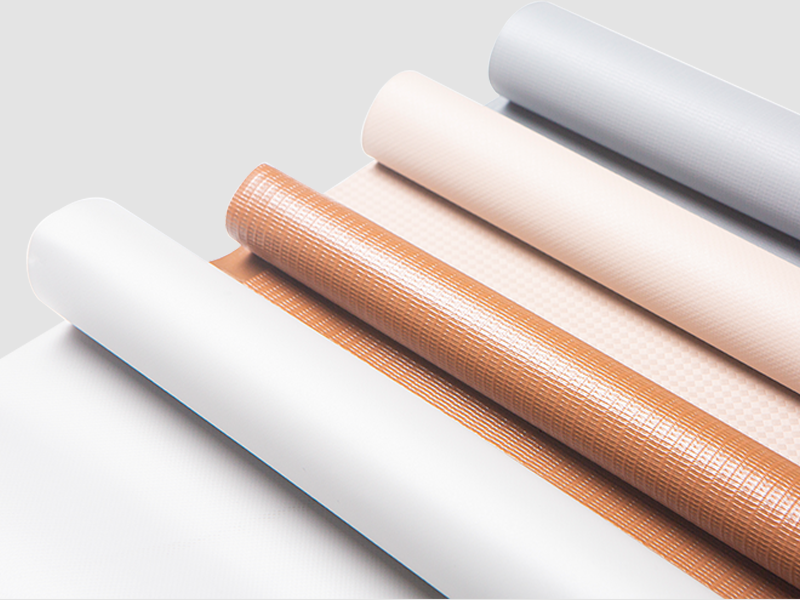
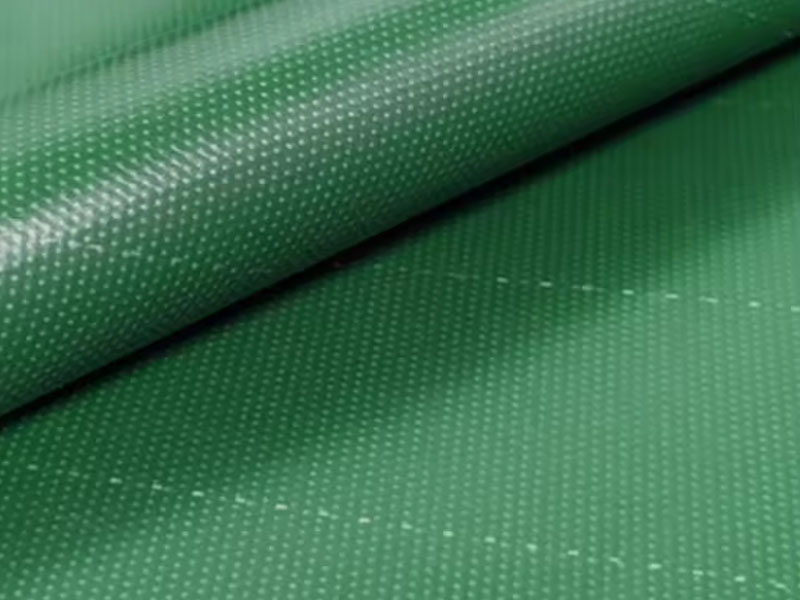
A high-quality PVC tarpaulin is a three-ply composite. The core is a woven or warp-knitted polyester yarn fabric — the scrim — which provides tensile strength, tear resistance, and dimensional stability. This polyester base is then coated or laminated on both sides with PVC resin paste. The double-sided PVC layer creates a continuous, non-porous surface that prevents water penetration from either face of the material.
Chemical Additives That Enhance Weather Resistance
Raw PVC resin alone degrades under prolonged UV exposure and becomes brittle in cold temperatures. To prevent this, manufacturers blend the PVC paste with a range of performance additives before coating:
- UV stabilizers absorb and dissipate ultraviolet radiation, protecting the polymer chains from photo-oxidative degradation that causes fading, brittleness, and surface cracking.
- Plasticizers maintain flexibility at low temperatures, preventing the material from becoming rigid and crack-prone in cold climates.
- Anti-aging agents slow the oxidative breakdown of the PVC matrix over time, extending service life in harsh outdoor environments.
- Anti-mildew agents inhibit fungal and bacterial growth on the surface, which is important for covers and tarps stored in humid conditions or used in agricultural environments.
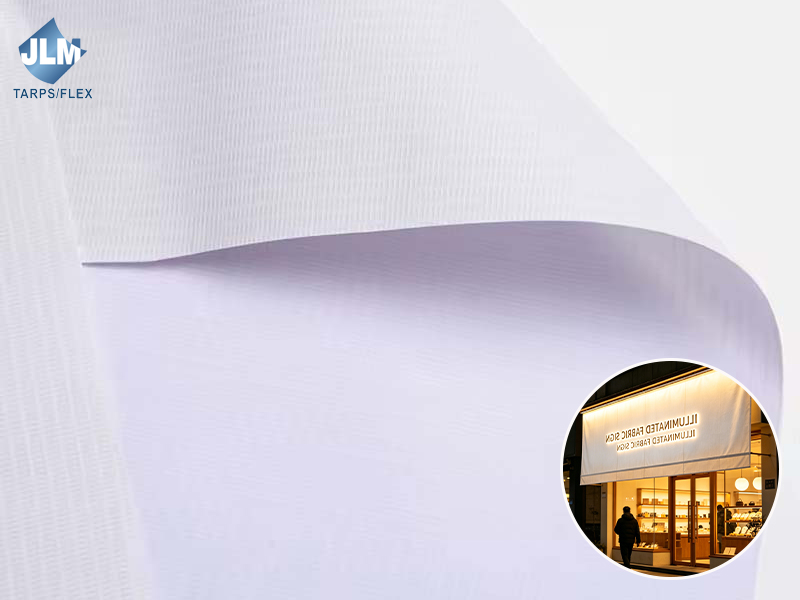
- Anti-static agents reduce dust accumulation on the surface, which is particularly relevant for truck covers and outdoor signage applications.
Coating vs. Lamination
There are two primary methods for applying PVC to the polyester base fabric. In the coating method, liquid PVC paste is applied directly to the fabric using a knife-over-roll or dip-coating process and then cured under heat. This produces a fully bonded, flexible material with wonderful waterproofing and is the standard method for truck covers and construction tarps. In the lamination method, pre-formed PVC film is heat-bonded to the fabric under pressure. This approach provides greater surface uniformity and is commonly used for inflatable products and airtight structures where seam integrity is critical.
What Weather Conditions Can PVC Tarpaulin Withstand
Industrial PVC tarpaulin is engineered to perform across a broad range of environmental conditions. The table below summarises the key weatherproofing properties of correctly specified PVC coated tarpaulin:
| Weather Condition | PVC Tarpaulin Performance | Key Specification |
|---|---|---|
| Heavy rain | Fully waterproof — non-porous coating prevents penetration | Waterproof index typically 99–99.9% |
| Snow and ice | Resists moisture ingress; maintains flexibility at low temperatures | Operating range down to −30°C with correct plasticizer blend |
| UV / direct sunlight | UV stabilizers prevent degradation and colour fading | Standard products rated 3–5 years; PVDF-coated up to 10–15 years |
| High temperatures | Stable up to approximately 60–70°C; not suited to direct flame contact | Fire-retardant grades available for construction and public use |
| Wind and abrasion | Polyester scrim provides tear and tensile strength | Tensile strength varies by GSM: 300–1,000 g/m² available |
| Mould and mildew | Anti-mildew treatment inhibits fungal growth on surface | Critical for long-term storage covers and agricultural use |
PVC Tarpaulin vs. PE Tarpaulin: Which Is More Weatherproof
Buyers frequently compare PVC and polyethylene (PE) tarpaulins. Both materials offer water resistance, but their weatherproofing performance differs significantly in demanding conditions.
PE tarpaulin is a double-coated polyethylene film with a loosely woven PE strip core. It is lightweight, affordable, and adequate for short-to-medium term outdoor covering — temporary construction enclosures, camping ground sheets, or seasonal garden furniture covers. However, PE has lower tensile strength, is more prone to UV-related embrittlement over time, and typically offers less tear resistance than an equivalent-weight PVC product.
PVC tarpaulin is the correct specification wherever long-term outdoor performance, mechanical strength, or resistance to chemical exposure is required. Its coated polyester construction produces higher tensile and tear strength values than PE at equivalent weights, and its additive-enhanced formulation delivers more consistent UV and cold-weather resistance. For truck covers, permanent shade structures, agricultural storage, construction site covers, and industrial applications, PVC tarpaulin is the industry standard precisely because of this performance advantage.
Weatherproof PVC Applications Across Industries
The weatherproof properties of PVC tarpaulin make it the material of choice across a wide range of demanding outdoor and industrial applications:
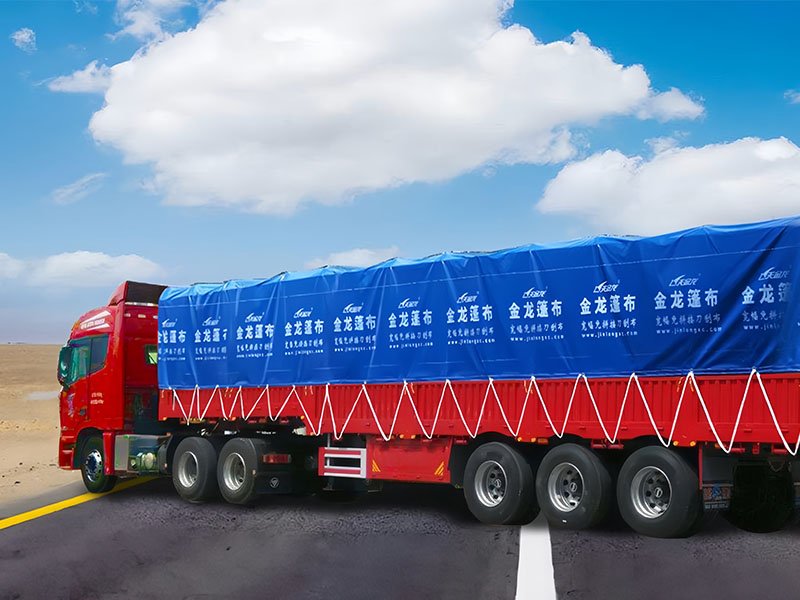
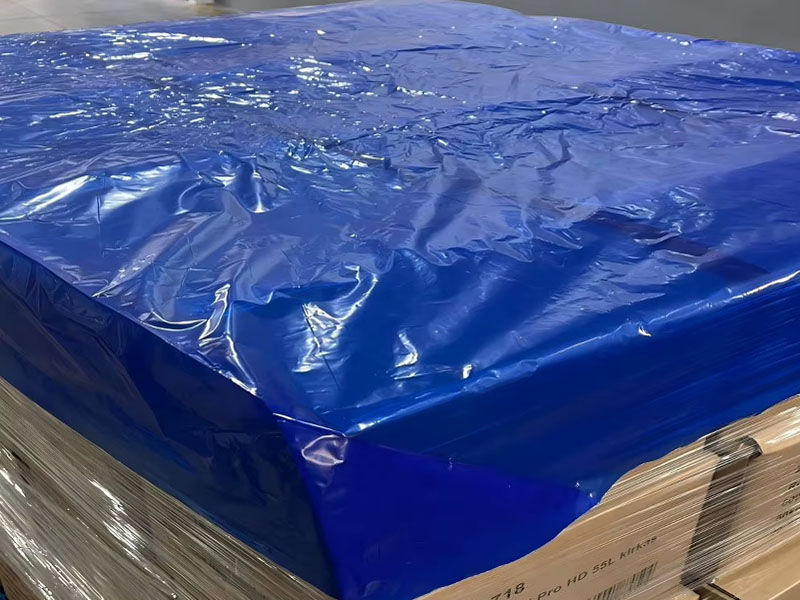
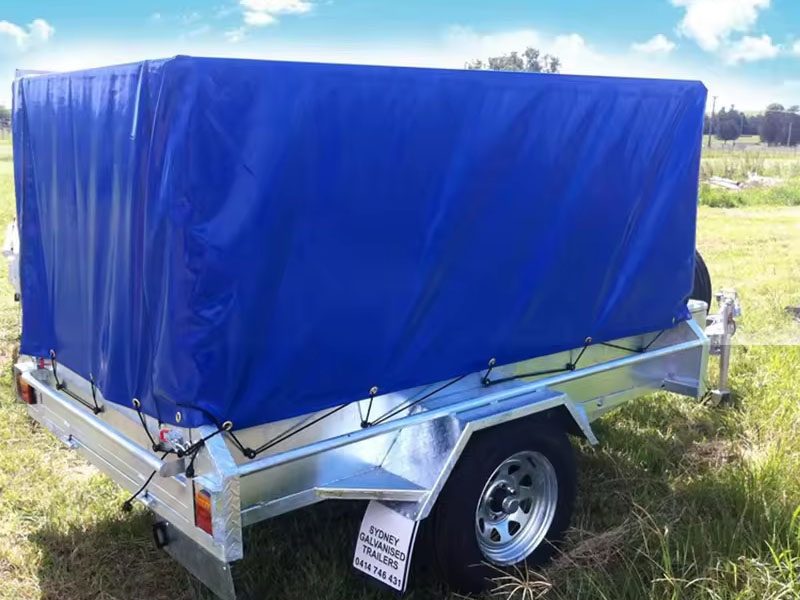
- Transportation: Truck tarps and trailer side curtains protect cargo from rain, wind, and road spray during transit. PVC coated fabric rated for −20°C to 70°C operation is the standard specification for commercial vehicle covers.
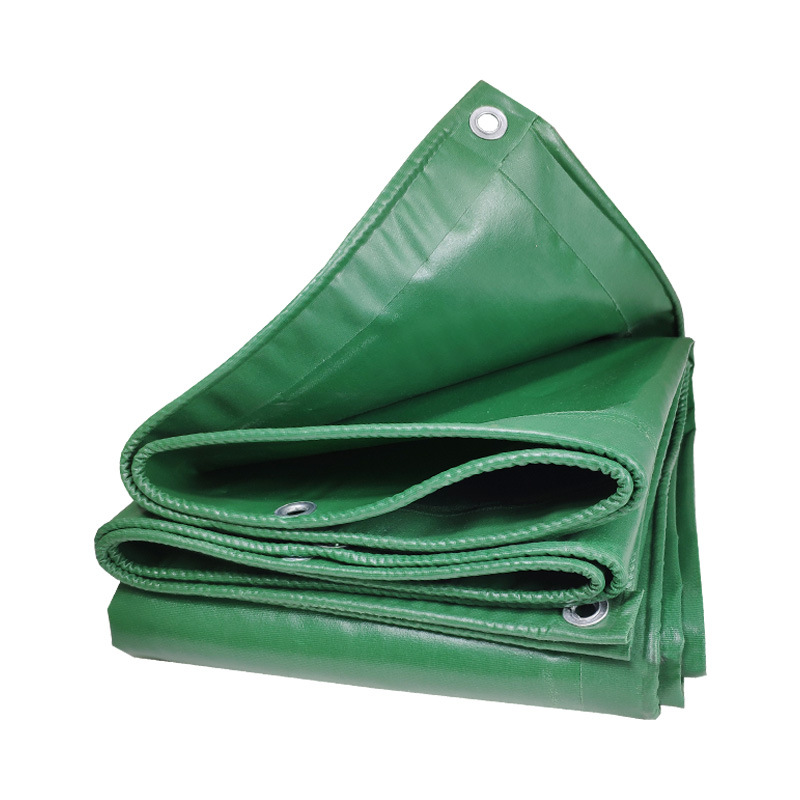
- Construction: Temporary roofing, scaffold enclosures, and building material covers use heavy-duty PVC tarpaulin because it withstands prolonged outdoor exposure, resists tear from wind loading, and can be welded into custom dimensions.
- Agriculture: Grain storage covers, silage pit covers, and greenhouse shading use PVC tarpaulin for its combination of waterproofing, UV resistance, and anti-mildew treatment — critical where food safety standards apply.
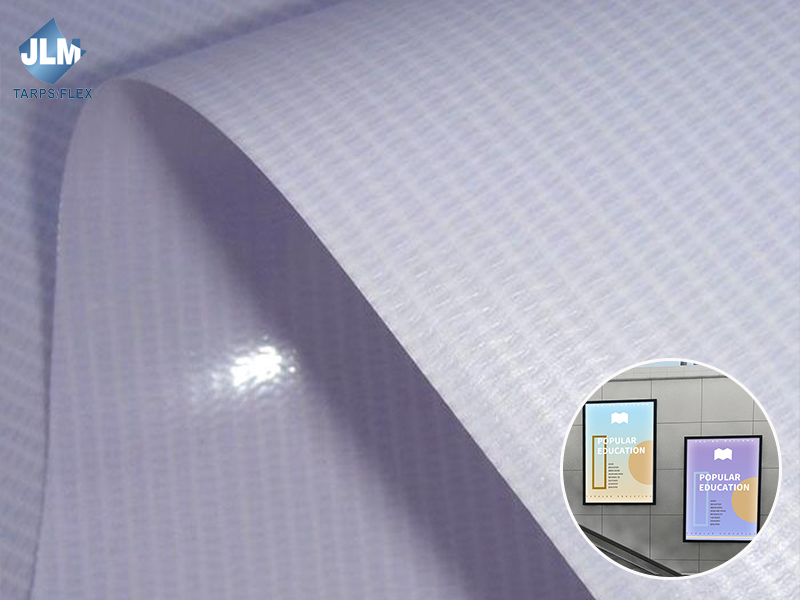
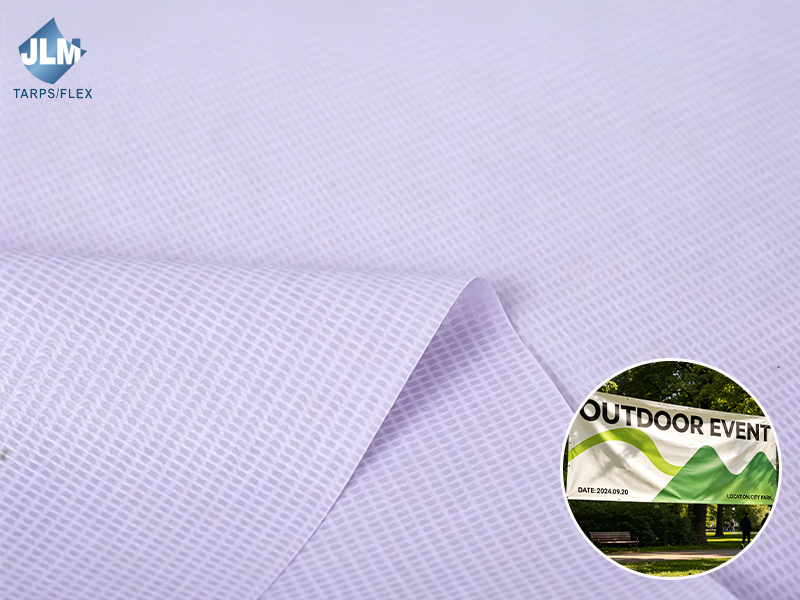
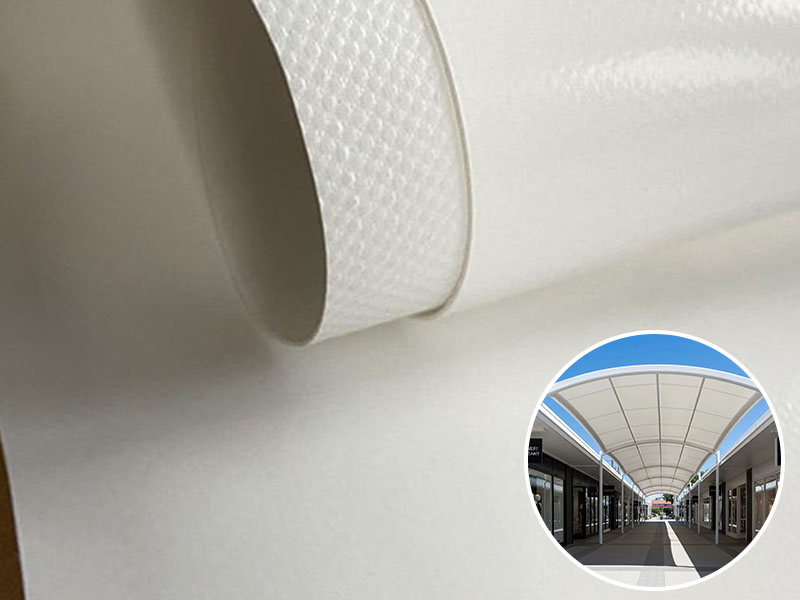
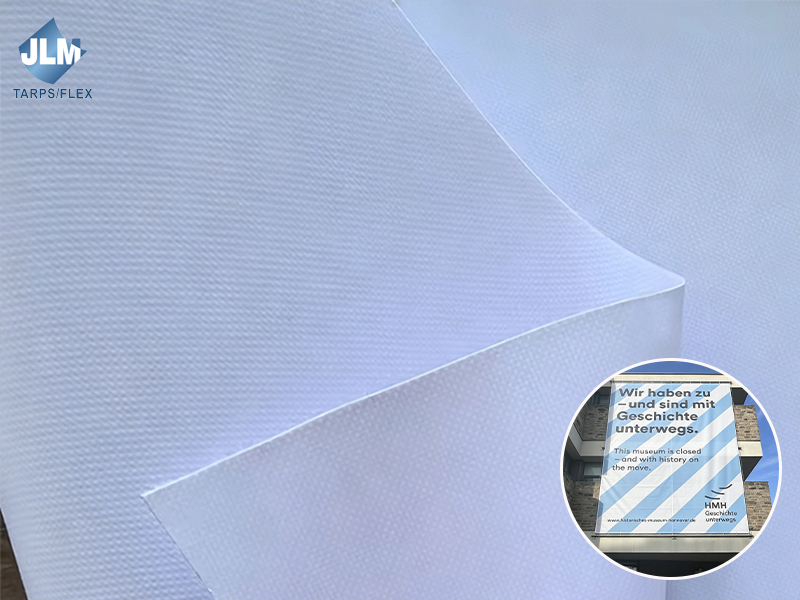
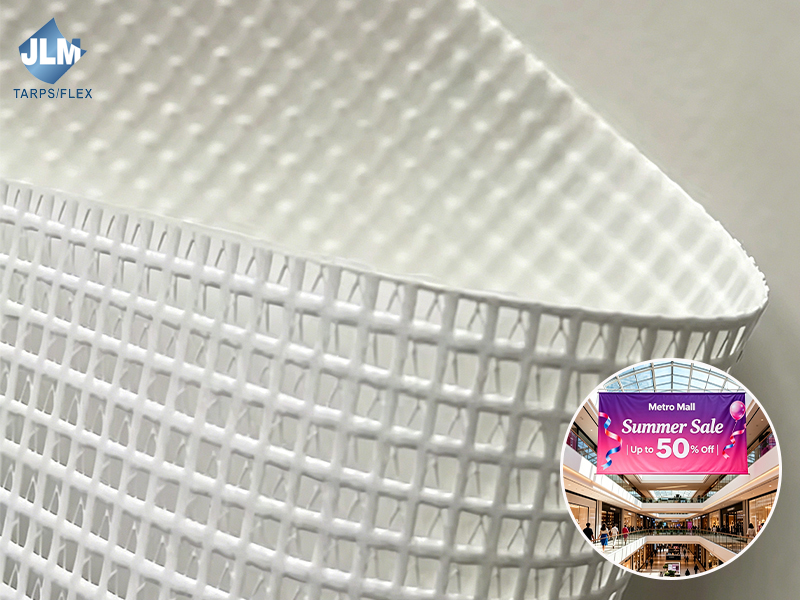
- Outdoor shade structures: PVC tensile fabric and coated tarpaulin are used for awnings, carport covers, and event marquees where continuous UV and rain exposure demand long-term colour stability and structural integrity.
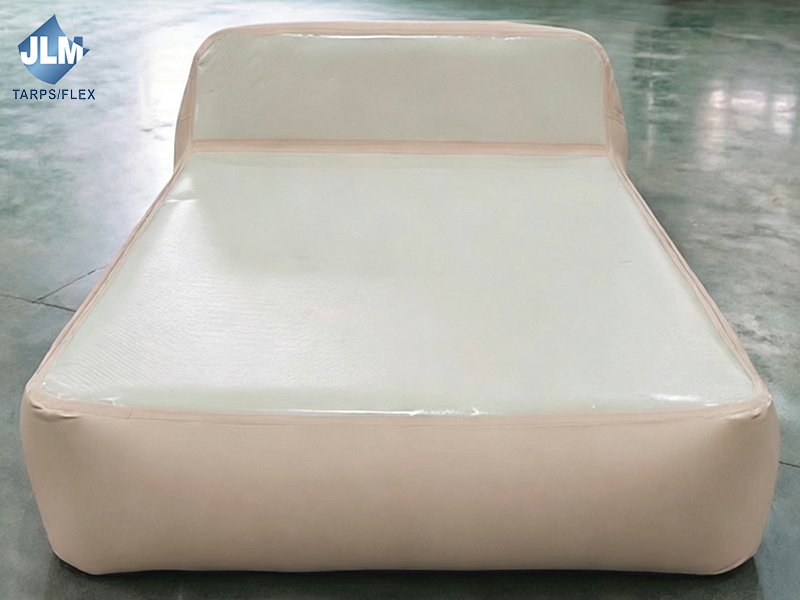
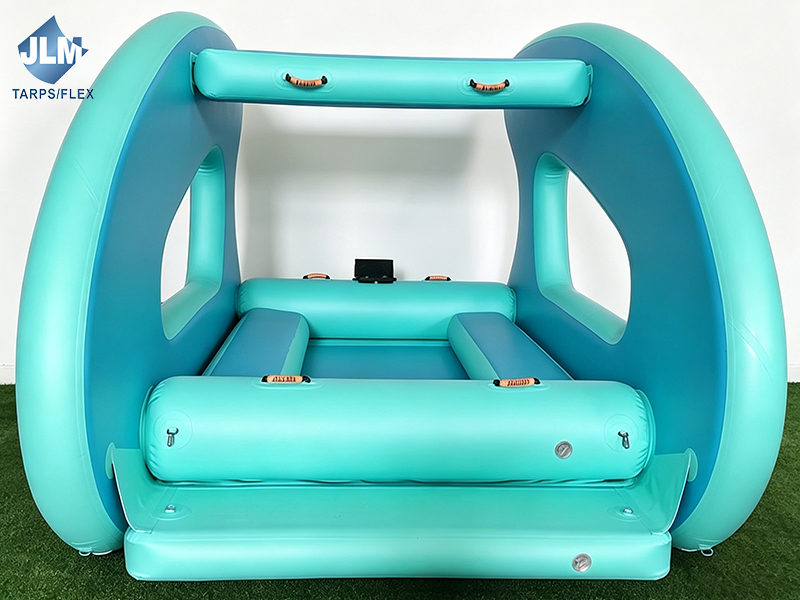
- Inflatable and airtight structures: Inflatable fabric based on laminated PVC and TPU compounds is used for inflatable tents, rescue equipment, and amusement products, where airtight seam integrity is as important as weatherproofing.
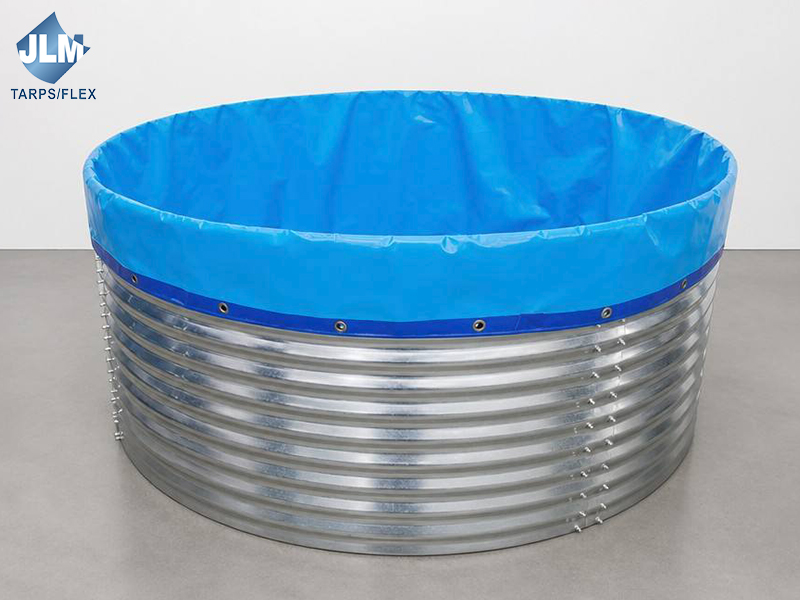
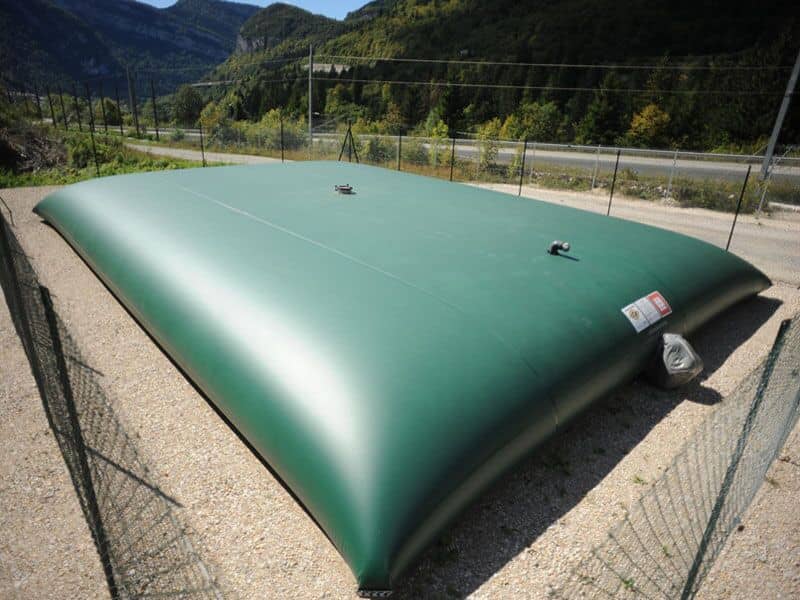
- Water containment: Flexible PVC water tanks use the same waterproof PVC coated fabric technology to provide portable, weather-resistant liquid storage for agriculture, emergency response, and remote site operations.
How to Maintain PVC Tarpaulin Weatherproofing Over Time
PVC tarpaulin is a low-maintenance material, but a few routine practices will extend its service life and preserve its weatherproofing performance.
Clean the surface periodically using mild soap and warm water with a soft brush or cloth. Avoid abrasive tools or harsh solvents, which can damage the PVC surface coating. After cleaning in wet conditions, allow the tarp to dry fully before folding and storing — moisture trapped in folds over extended periods can promote mildew growth on surface contamination even if the PVC itself is treated.
Store rolled or loosely folded in a cool, dry location away from direct sunlight when not in use. Avoid sharp objects during handling, localised waterproofing damage often results from sharp point punctures.
Most PVC tarpaulin can be repaired using PVC welding tape or hot-air welding equipment, which restores a waterproof bond at the repair site without compromising the surrounding material.
For applications with continuous UV exposure — permanent shade structures, agricultural covers, outdoor signage — specify a product with PVDF or lacquer surface treatment for extended service life beyond the standard 3–5 year range of base PVC formulations.
Why Jinlong Is a Trusted PVC Weatherproof Tarpaulin Manufacturer
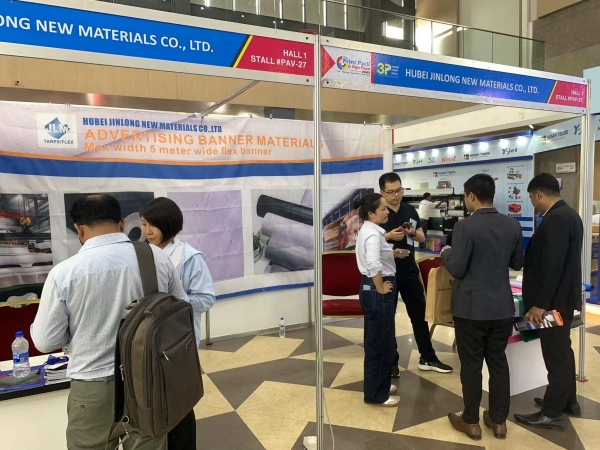
Hubei Jinlong New Materials Co., Ltd. is a China-based high-tech manufacturer of PVC tarpaulin and coated fabric products, located in Suizhou City, Hubei Province, with a production area of 400,000 m². The company operates more than 50 production lines covering PVC flex banners, PVC tarpaulin, PVC tensile fabric, inflatable fabric, TPU fabric, flexible PVC water tanks, and finished tarp products, producing over 500,000 m² of PVC tarpaulin material per day.
Jinlong owns the complete vertical production chain — from base fabric weaving through calendering, coating, laminating, lacquering, and printing — ensuring quality control at every stage. Tarpaulin widths of up to 5.5 m are available without welding seams, and in-house UV printing, automatic cutting, and hot-air welding equipment allow finished products to be manufactured to customer drawings and samples. Products are exported to Europe, North America, the Middle East, Southeast Asia, Africa, and South America, shipped efficiently through Wuhan and Shanghai ports.
With an in-house testing laboratory and complete inspection equipment, Jinlong applies strict quality management to every production batch — providing buyers with the consistent, verifiable weatherproof performance their applications demand.